
Imagine walking through a bustling market, surrounded by the smell of fresh bread and spices. Food tours can be such thrilling adventures. But what happens when someone cannot join because of a disability? This is where an accessibility policy for food tours comes in.
Have you ever thought about how everyone should enjoy food experiences? An accessibility policy ensures that everyone, no matter their ability, can explore, taste, and enjoy. It’s all about making food fun for everyone! Did you know that a good policy can make a tour safer and more inviting?
By focusing on accessibility, we can make our food tours welcoming for all. So, let’s take a closer look at why these policies are essential and how they can change lives. Ready to uncover the tasty details?
Accessibility Policy For Food Tours: Ensuring Inclusivity
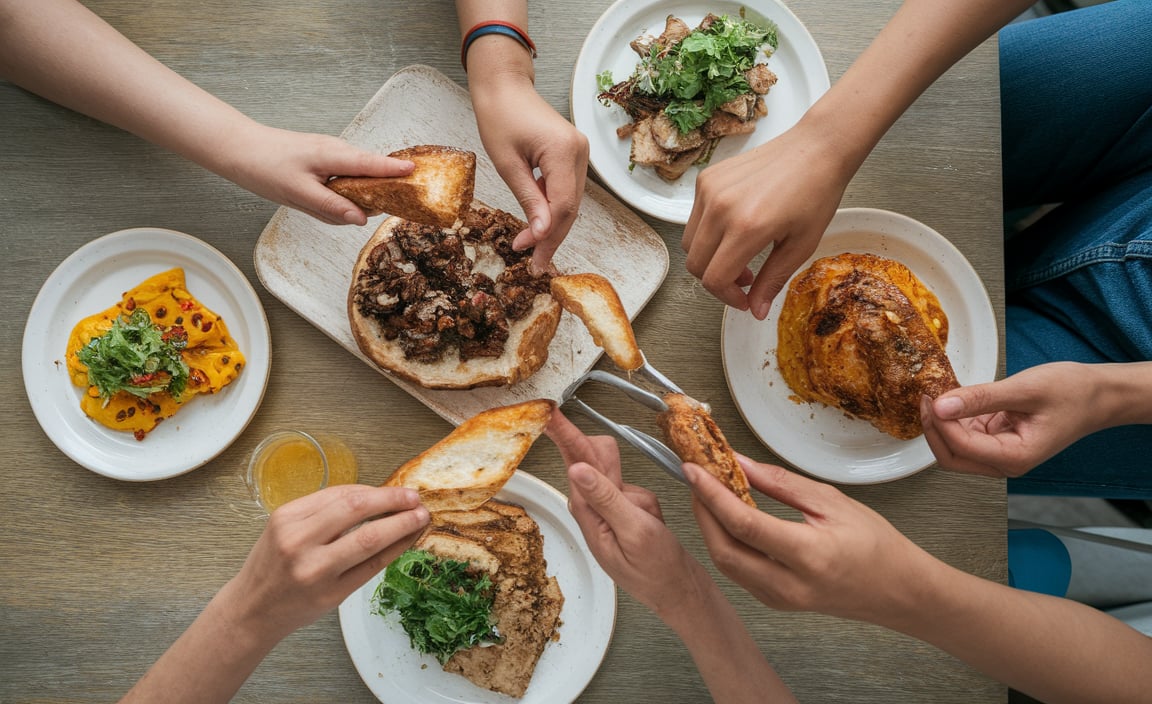
Accessibility policy for food tours ensures everyone can enjoy delicious experiences. Imagine a person in a wheelchair trying to taste local dishes but facing barriers. This policy aims to remove those barriers and make tours enjoyable for all. Tour companies can provide wheelchair ramps, assistive devices, and staff training. They can also offer menu options for different dietary needs. By embracing accessibility, food tours become a delightful adventure for everyone, inviting all food lovers to explore.
Understanding Accessibility in Food Tours
Definition of accessibility in the context of food tours. Importance of inclusivity for all participants.
Accessibility means making sure everyone can enjoy food tours. This includes people with different needs, like those who use wheelchairs or have special dietary restrictions. Everyone deserves to taste delicious food, right? Think of it like inviting all your friends to a pizza party—no one should be left out! Inclusivity is key to a fun experience. A study shows that diverse groups make for tastier tours. So, let’s cook up some joy for all!
| Accessibility Feature | Importance |
|---|---|
| Wheelchair Access | Allows everyone to join the fun! |
| Dietary Options | Ensures nobody feels left out at snack time! |
Identifying Common Accessibility Challenges
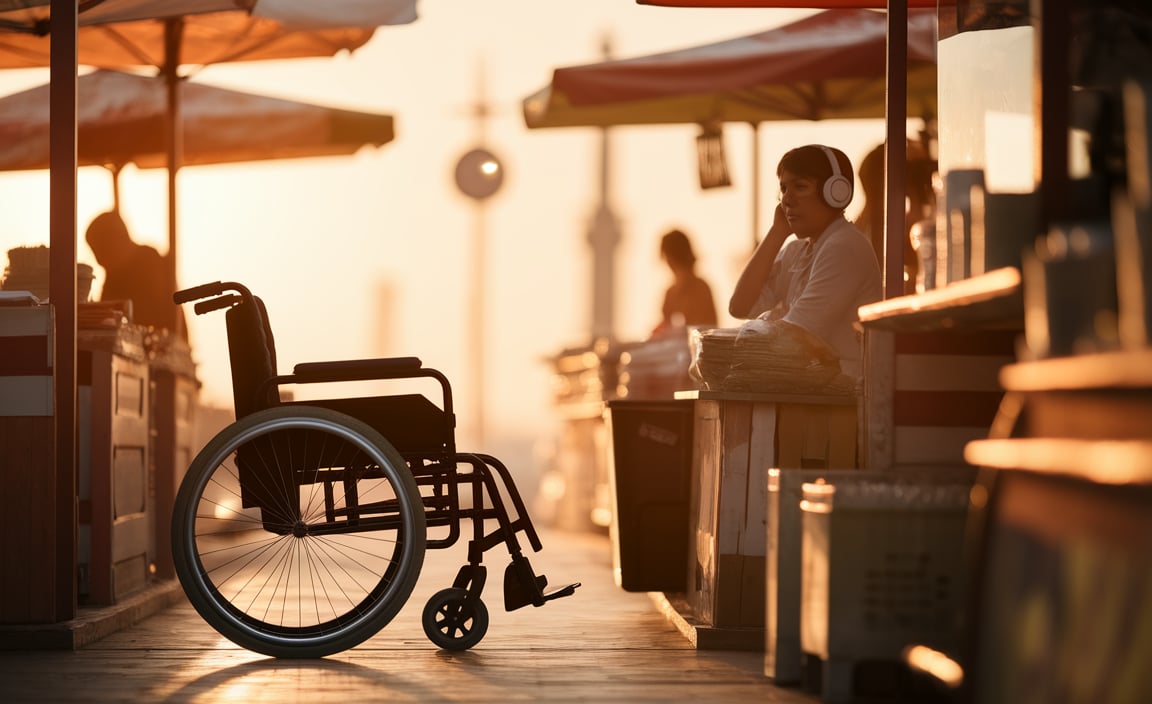
Physical barriers in food tour locations. Sensory and cognitive challenges faced by participants.
Many food tour locations have barriers that can make it hard for everyone to enjoy their experience. Here are some common challenges:
- Steps and uneven ground can prevent people with mobility issues from accessing some areas.
- Busy places with loud noises can be tough for those with sensory sensitivities.
- People with cognitive challenges may need more time to follow along with fast-paced activities.
These barriers can make it difficult for everyone to enjoy delicious food and fun experiences. Understanding these challenges helps tour organizers create better plans.
What are some common accessibility challenges in food tours?
Common challenges include physical barriers, sensory overload, and cognitive difficulties that make it hard for some participants to fully enjoy food tours.
Strategies for Developing an Accessibility Policy
Steps to create a comprehensive accessibility policy. Engaging stakeholders in the policy development process.
Creating an accessibility policy isn’t just a step; it’s a grand adventure! First, gather your team and brainstorm. Talk to everyone involved, from chefs to tour guides, so their ideas can shine. Next, look at your current practices. What works? What needs help? Don’t be shy—ask the community for feedback, too. People with different needs often have bright solutions! Finally, write the policy clearly and check in regularly. That’s like a recipe: mix well, taste, and adjust for flavor!
| Steps | Actions |
|---|---|
| Gather Team | Hold a brainstorming session |
| Review Practices | Identify strengths and areas for improvement |
| Engage Community | Ask for feedback |
| Draft Policy | Write, review, and update regularly |
Best Practices for Accessible Food Tours
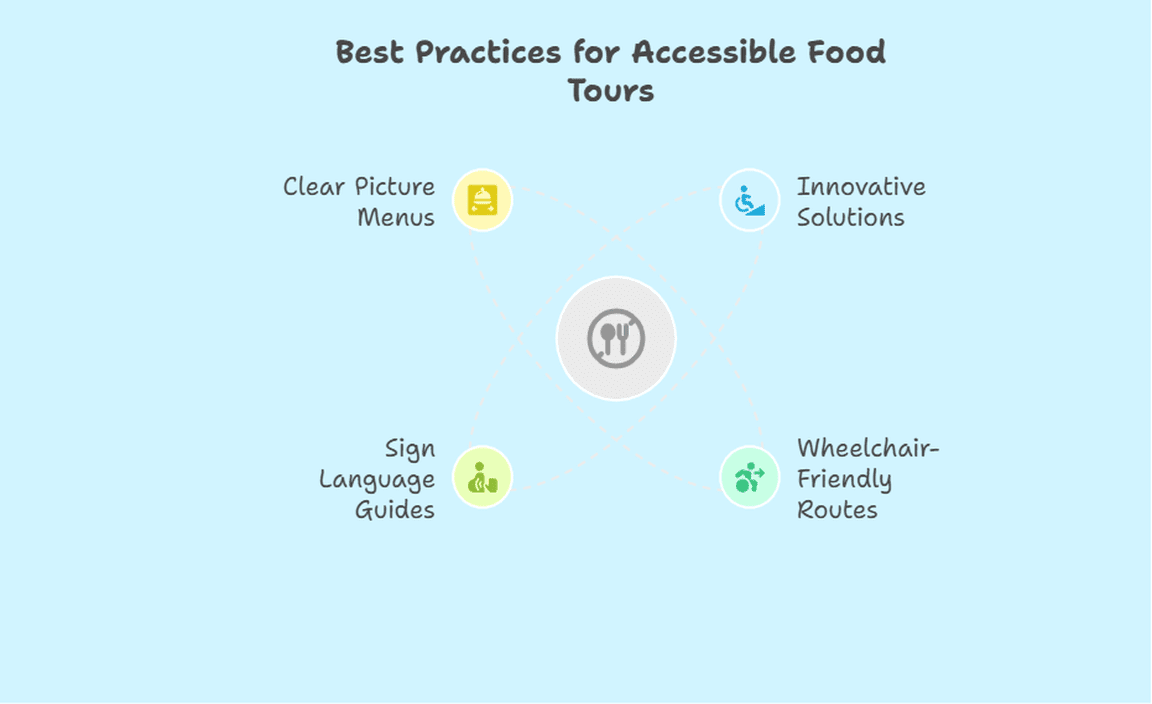
Innovative solutions for enhancing accessibility. Examples of food tour operators leading in accessibility.
Making food tours accessible is important for everyone. Innovative solutions can help all people enjoy delicious experiences. For example, some tour operators use special equipment or offer guided apps that assist those who have difficulties. Here are a few leaders in accessibility:
- Tour Company A: They provide wheelchair-friendly routes.
- Tour Company B: They use sign language guides for hearing-impaired guests.
- Tour Company C: They create menus with clear pictures for easier choices.
These steps make food tours fun and enjoyable for everyone!
What Are Some Ways to Enhance Accessibility in Food Tours?
Many tour companies work hard to improve accessibility. They focus on easy paths, helpful guides, and clear menus. The goal is to make sure everyone can taste the fun!
Training Staff on Accessibility Awareness
Importance of staff training in ensuring inclusivity. Key topics to cover in accessibility training sessions.
Training staff is key to making sure everyone feels welcome on food tours. Knowledgeable staff can help all guests enjoy their experience. Training focuses on important topics like:
- Understanding different accessibility needs
- Creating a friendly and welcoming environment
- Adapting tours for individuals with disabilities
- Effective communication methods
With proper training, staff can turn barriers into bridges for everyone to enjoy. Remember, inclusivity is not just a policy; it brings joy and connection to our food adventures!
What are the benefits of staff accessibility training?
Staff training helps create a more inclusive atmosphere. It can increase customer satisfaction and loyalty. Customers appreciate a welcoming experience, leading to positive reviews and repeat business.
Marketing Your Accessible Food Tour
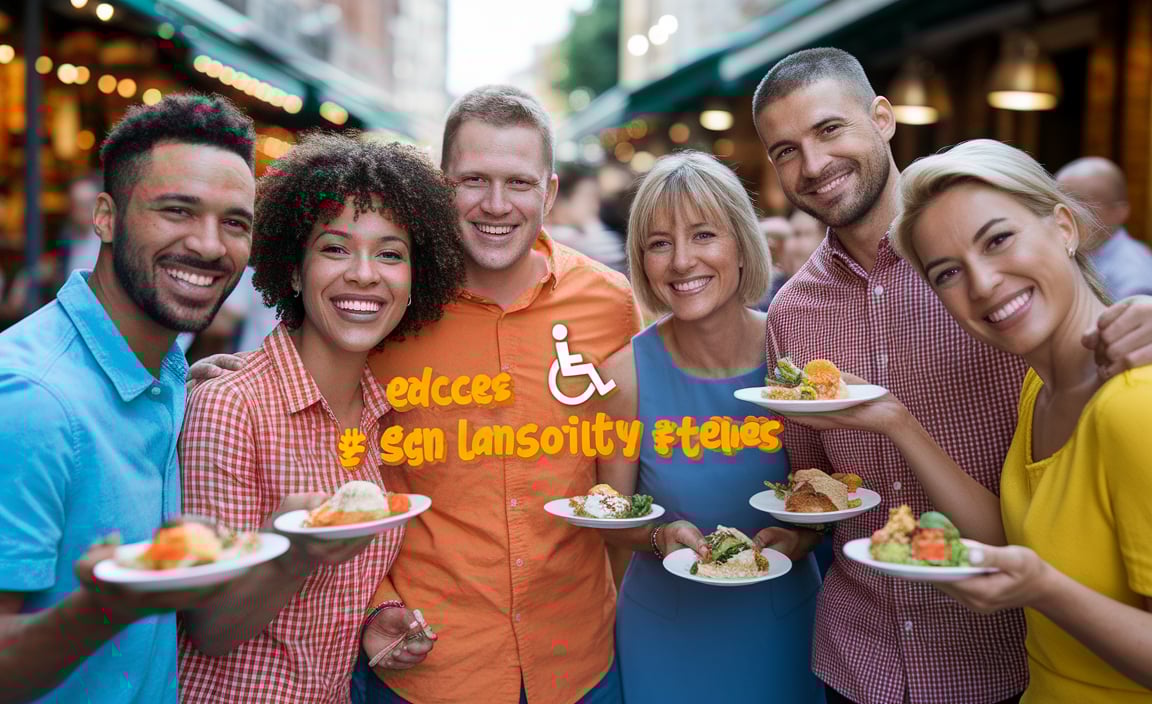
Strategies for promoting accessibility features in your tours. Reaching diverse audiences through inclusive marketing.
Promoting your food tour is all about being friendly and welcoming! Highlight your accessibility features in your marketing materials. Use bright colors and clear fonts, so everyone can read them. Get creative! Create fun social media posts that show diverse people enjoying your tours. This can show potential customers that you care. Don’t forget to tell stories of happy food adventurers. People love to see a good food fun story! Check out this helpful table:
| Marketing Strategies | Target Audience |
|---|---|
| Social Media Campaigns | Families, seniors |
| Community Events | Local residents |
| Visual Advertisements | Tourists, food lovers |
By focusing on how your tours are welcoming, you can reach everyone. So, put on your marketing hat and start sharing the joy of tasty, accessible adventure!
Monitoring and Improving Accessibility Initiatives
Methods for evaluating the effectiveness of your accessibility policy. Gathering feedback from participants to drive improvements.
To see if your accessibility policy is working, it’s essential to check its impact regularly. Create simple surveys for participants. Ask them questions about their experiences. Use answers to make fun improvements. For example, if someone says, “The food tour had no ramps!” you know it needs a boost. Gather data and track changes in a clear table like the one below:
| Feedback Category | Number of Responses | Improvements Needed |
|---|---|---|
| Access Routes | 15 | Install more ramps |
| Guide Assistance | 10 | Train guides better |
| Food Variety | 5 | Add more options |
Feedback is like gold! It helps you upgrade tours for everyone. With humor and a little creativity, you can make food adventures enjoyable for all.
Conclusion
In conclusion, accessibility policy in food tours ensures everyone can enjoy great meals. It helps remove barriers for people with disabilities. You can explore food tours that are inclusive and welcoming. By choosing accessible options, we support fairness and diversity. Learn more about these policies to make informed choices. Together, we can enjoy food adventures that everyone can share!
FAQs
Here Are Five Related Questions On The Topic Of Accessibility Policy For Food Tours:
Sure! Accessibility policy for food tours means making sure everyone can join in and enjoy the fun. We want all people, including those with disabilities, to feel welcome. This includes making places easy to reach and having guides who know how to help. You can ask questions about what we offer to make sure you’re comfortable. We believe everyone deserves a tasty adventure!
Sure! Please provide the question you’d like me to answer.
What Specific Accessibility Standards Should Be Implemented To Ensure Inclusivity For Individuals With Mobility Challenges During Food Tours?
To make food tours easier for people with mobility challenges, we can follow some simple rules. First, we should choose places with ramps instead of stairs. Second, we need to make sure there are wide paths for wheelchairs. Third, we should provide seating options for everyone to rest. Lastly, we can offer help if someone needs it. This way, everyone can enjoy the food tours together!
How Can Food Tour Operators Evaluate And Improve The Accessibility Of Their Venues And Food Stops To Cater To Participants With Diverse Needs?
Food tour operators can check if places have ramps for wheelchairs or wide paths. They should ask people if they have special needs or want help. We can also look for clear signs and easy-to-reach menus. Talking to locals can help us find the best spots. By listening to everyone’s needs, we can make tours better for all.
What Training Procedures Are Recommended For Food Tour Guides To Enhance Their Awareness And Responsiveness To The Needs Of Guests With Disabilities?
Food tour guides should learn about different disabilities and how they affect people. You can take special classes to understand these needs better. Practice good communication skills, like asking if someone needs help. Guides should also learn how to adapt tours, like using ramps or finding quieter spots. This way, everyone can enjoy the food tour!
In What Ways Can Technology Be Leveraged To Improve Accessibility For Individuals With Sensory Impairments On Food Tours?
We can use special apps to help when going on food tours. For people with sight problems, an app can describe the food with words or sounds. For those with hearing issues, we can use captions on videos or guides to share what’s happening. Virtual reality (VR) can also let you explore food places without being there. These tools can make food tours fun and friendly for everyone!
What Role Do Local Government Regulations Play In Shaping The Accessibility Policies Of Food Tour Companies, And How Can These Policies Be Effectively Enforced?
Local government rules help food tour companies make sure everyone can join, including people with disabilities. These rules tell companies what changes they need to make, like having wheelchair ramps. We can check if they follow these rules by doing inspections or asking for feedback from customers. This way, we help everyone enjoy the tours safely and easily!
Resource:
-
Guidance on Accessible Tourism: https://www.unwto.org/accessibility
-
Creating Inclusive Experiences: https://www.ada.gov/resources/tax-credits/
-
Designing Accessible Public Spaces: https://www.archdaily.com/947176/designing-for-all-what-to-consider-when-planning-a-public-space
-
Inclusive Food Service Practices: https://www.eatrightpro.org/practice/practice-resources/diversity-equity-and-inclusion