
Do you ever wonder what food tastes like at a Buddhist temple? In Seoul, a unique journey awaits you. Buddhist temple cuisine is not just about eating. It teaches values like kindness and respect for all living things. Have you heard that these meals are completely vegetarian? This means no meat or fish. Instead, chefs use fresh, seasonal vegetables to delight your taste buds.
Imagine sitting in a serene temple, surrounded by nature. The air is filled with the soothing sounds of birds and rustling leaves. As you take a bite of the carefully prepared dishes, you feel a sense of calm. Each meal tells a story about the Buddhist way of life.
Here’s a fun fact: Buddhist monks often cook with love and mindfulness. They believe that the energy you put into the food can be felt by those who eat it. So, every meal at a Buddhist temple in Seoul is more than just food; it’s a heartfelt experience.
If you’re curious about what to expect, keep reading. This article will guide you through the flavors, traditions, and secrets of Buddhist temple cuisine in Seoul.
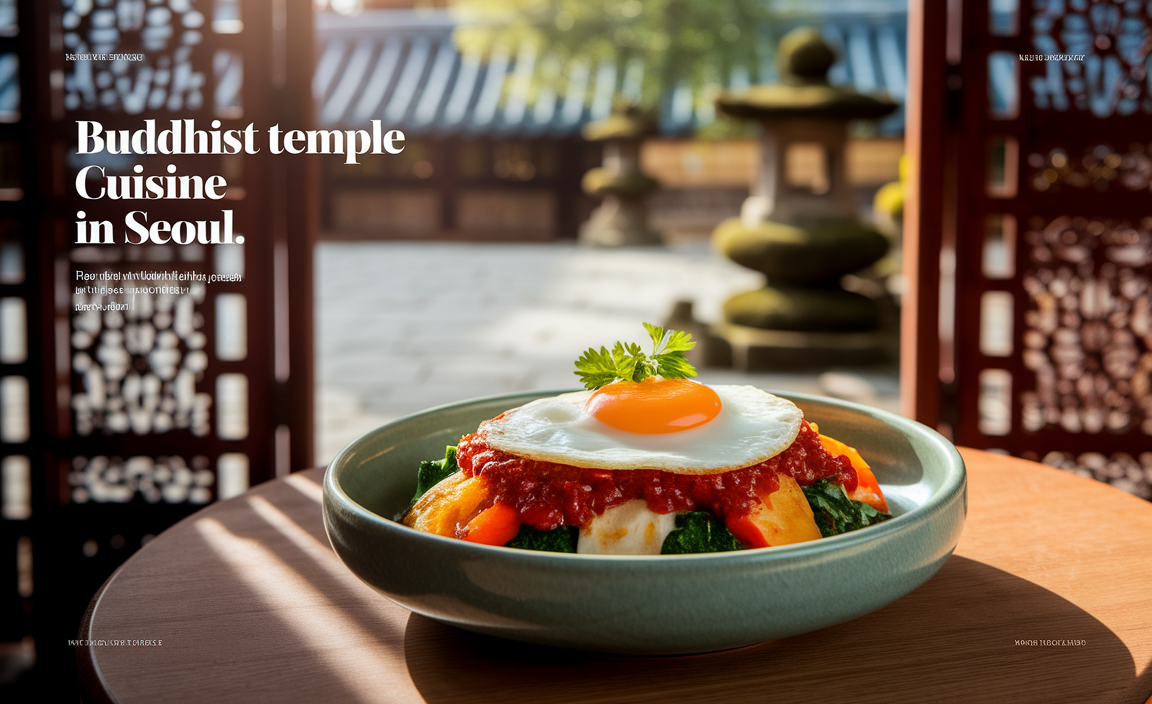
Discovering Buddhist Temple Cuisine In Seoul: A Culinary Journey
Buddhist temple cuisine in Seoul offers a peaceful escape for food lovers. This unique style of cooking focuses on vegetarian dishes made from fresh ingredients. Most meals are simple yet flavorful, often using local produce. Have you ever wondered how cooking could be so mindful? Each dish is prepared with care, reflecting the principles of mindfulness and harmony. Visiting a temple can also introduce you to the quiet beauty of Korean culture while enjoying delicious, healthy meals.
Understanding Buddhist Temple Cuisine
Definition and significance of Buddhist temple cuisine. Historical context and its evolution in Korea.
Buddhist temple cuisine is like a tasty meditation for the soul! It focuses on simple, plant-based meals that nourish the body and mind. Historically, this food has roots in Korea’s ancient temples, where monks practiced mindfulness through cooking. Over time, the cuisine has evolved, mixing local ingredients and styles while keeping its core values. Imagine a plate of colorful vegetables that tells a story of history and peace—yum!
| Key Aspects | Details |
|---|---|
| Definition | Simple, plant-based meals focused on mindfulness. |
| Historical Context | Originated in ancient Korean temples, evolving over time. |
| Significance | A way to connect with nature and promote peace. |
Key Ingredients in Buddhist Temple Cuisine
Common vegetables and grains used. Importance of seasonal and locallysourced ingredients.
Buddhist temple cuisine is all about fresh and tasty ingredients. Common vegetables like radishes, spinach, and pumpkins are often found in these dishes. Grains like rice and barley play a big role too—who doesn’t love a warm bowl of rice? The chefs believe in using seasonal and locally sourced ingredients. Why? Because they taste better and help the planet! Plus, nothing beats a meal made with love and the freshest finds from the local market!
| Ingredient | Type |
|---|---|
| Radish | Vegetable |
| Spinach | Vegetable |
| Pumpkin | Vegetable |
| Rice | Grain |
| Barley | Grain |
Philosophy Behind Buddhist Temple Cuisine
The role of mindfulness in food preparation and consumption. The emphasis on vegetarianism and ethical eating.
Buddhist temple cuisine focuses on simple and healthy eating. Mindfulness plays a big role in how food is prepared and enjoyed. Chefs think deeply about each ingredient. This makes every meal special. In this tradition, vegetarianism is important. It shows respect for all living things. Eating ethically means choosing foods that do not harm animals or the planet.
- Mindful cooking helps us appreciate our food.
- Vegetarian meals are kind to animals.
- Ethical eating supports nature and health.
What is the importance of mindfulness in food preparation?
Mindfulness in food preparation encourages awareness of how we cook and eat. It helps us appreciate each bite and the effort behind our meals.
Why is vegetarianism important in Buddhist cuisine?
Vegetarianism promotes kindness and respects all life. It aligns with the belief that every being deserves compassion.
Best Buddhist Temples in Seoul to Experience Temple Cuisine
Top temples that offer dining experiences. What to expect in terms of ambiance and service.
Seoul is home to some amazing temples where you can enjoy *temple cuisine*. These spots not only serve food but also offer a peaceful atmosphere. Picture sitting in a cozy room filled with the smell of fresh vegetables and rice, while listening to gentle chants. The service is warm, like a sunny day! Here are a few top temples, where dining feels like a hug for your stomach:
| Temple Name | Ambiance | Service |
|---|---|---|
| Jogyesa Temple | Serene and colorful | Friendly and welcoming |
| Bongeunsa Temple | Calm and peaceful | Respectful and attentive |
| Gilsangsa Temple | Cultural and charming | Warm and helpful |
So, get ready to treat your taste buds while enjoying a slice of serenity in the heart of Seoul!
Participating in Temple Food Programs
Information on temple stay programs that include meals. How to engage with chefs and learn to prepare temple cuisine.
Many temples in Seoul offer special stay programs. Participants can enjoy delicious temple meals made with care. You also get a chance to learn from skilled chefs. They will guide you in making traditional temple dishes. This hands-on experience helps you understand the importance of Buddhist cuisine.
- Stay overnight in a peaceful temple
- Join cooking classes led by expert chefs
- Learn about the history of temple food
What can you expect from a temple food program?
You will explore various flavors, cooking methods, and the meaning behind each dish!
Health Benefits of Buddhist Temple Cuisine
Nutritional aspects of the cuisine. Impact on physical and mental wellbeing.
Buddhist temple cuisine is not just a treat for your taste buds; it’s a boon for your body and mind! This cuisine is rich in nutrients like vitamins, fiber, and antioxidants. Eating these meals can boost your energy and keep you fit. Plus, they promote calmness and help clear the mind, making stress run away faster than a cat from a bath! Who knew healthy eating could have such a fun sidekick?
| Nutrient | Benefit |
|---|---|
| Vitamins | Support immune health |
| Fiber | Aids digestion |
| Antioxidants | Combat stress |
By munching on these dishes, you’re not only feeding your belly but also lifting your spirits. Nutrition can be a real game changer!
Challenges and Preservation of Buddhist Temple Cuisine
Modernization and its effects on traditional practices. Efforts to preserve and promote temple cuisine in contemporary Seoul.
Modern times bring many changes, which can be tough for traditional practices. In Seoul, buddhist temple cuisine faces challenges from fast food and busy lives. People occasionally forget about the peace that comes from savoring simple, healthy dishes made in temples. But don’t worry! There are strong efforts to keep this culinary treasure alive. Chefs and monks work together to share recipes through cooking classes and food festivals. With a spicy twist of creativity, they attract both locals and tourists.
| Challenges | Preservation Efforts |
|---|---|
| Fast food popularity | Cooking classes |
| Forgetfulness of tradition | Food festivals |
| Busy lifestyles | Recipe sharing |
The future looks bright for buddhist temple cuisine. With a sprinkle of innovation and a dash of culture, it can thrive in today’s world! After all, who wouldn’t want to eat like a monk sometimes?
Conclusion
In conclusion, Buddhist temple cuisine in Seoul offers delicious, healthy dishes rooted in tradition. It focuses on fresh ingredients and mindful eating. You can try unique meals that are both tasty and nourishing. If you’re curious, explore more about this culinary art by visiting a temple or reading books on the subject. Enjoy your food journey!
FAQs
What Are The Key Ingredients Commonly Used In Buddhist Temple Cuisine In Seoul?
In Buddhist temple cuisine in Seoul, we often use fresh vegetables like radishes and mushrooms. Tofu, which is made from beans, is also important. Grains like rice and barley are common too. We avoid meat and use flavors from soy sauce or spicy peppers. Finally, we sometimes add nuts and seeds for extra crunch.
How Does Buddhist Temple Cuisine Differ From Traditional Korean Cuisine?
Buddhist temple cuisine focuses on simple, healthy foods without meat or fish. It uses lots of vegetables, grains, and nuts. Traditional Korean cuisine often includes meat, seafood, and spicy flavors, like kimchi. In temple cooking, meals are made with care and harmony in mind, while Korean meals can be more diverse and rich. Both are yummy, but they use different ingredients!
What Are Some Popular Dishes Served In Buddhist Temples In Seoul?
In Buddhist temples in Seoul, you can find yummy dishes like bibimbap, which is rice with vegetables. Another favorite is kimchi stew, a spicy soup with fermented cabbage. We also see delicious tofu dishes, which are healthy and tasty. Sometimes, they serve tea made from herbs. All these meals are vegetarian, so they follow Buddhist rules.
Are There Any Specific Dietary Practices Or Philosophies That Influence Buddhist Temple Cuisine?
Yes, Buddhist temple cuisine has special rules. Many Buddhists follow a vegetarian diet, so meals do not include meat. They believe this protects animals and promotes kindness. Also, they often eat simple, healthy foods to stay mindful. This way of eating helps them focus on their spiritual practices.
Where Can Visitors To Seoul Experience Authentic Buddhist Temple Dining?
You can try authentic Buddhist temple dining at a place called Balwoo Gongyang. This restaurant serves delicious meals made in traditional Buddhist style. You can also visit temples like Jogyesa or Bongeunsa that sometimes offer special meals. Eating there is a fun way to learn about Buddhist culture!