
If you love food, you’ve likely noticed the tasty trend of charcuterie boards. But have you ever wondered how to make your own cured meats? Joining a charcuterie curing class might be the perfect adventure for you!
Imagine walking into a cozy kitchen filled with the aroma of spices and smoky flavors. You see groups of people laughing and sharing tips while they prepare delicious bites. It sounds like a fun way to learn, right?
Charcuterie isn’t just about meat. It’s also about art! You’ll discover how to slice, season, and cure meats, turning everyday ingredients into stunning creations. Did you know that some cured meats can last for months? That’s part of the magic!
Whether you are a busy parent or a foodie looking for a new hobby, a charcuterie curing class can help you impress your friends and family. Get ready to roll up your sleeves and dive into this delightful world of flavors!
Discover The Art Of Charcuterie Curing Class Today!
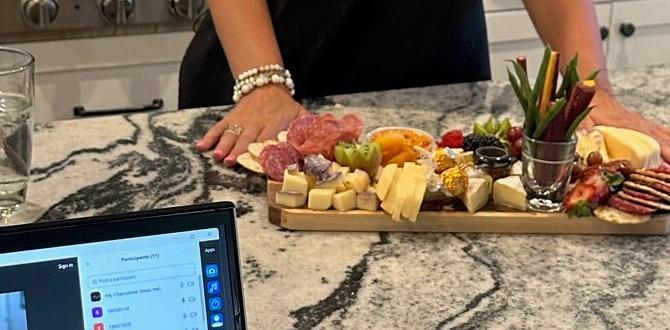
Discovering the Art of Charcuterie Curing
Learn the exciting world of charcuterie curing classes. You’ll explore how to prepare delicious cured meats at home. Ever wondered how to make your own salami or prosciutto? These classes teach you the secrets behind successful curing techniques. Discover the history of charcuterie, and why it has become so popular. You’ll impress friends with unique flavors and beautiful meat platters. It’s a fun way to combine cooking and creativity!
What is Charcuterie?
Definition and history of charcuterie. Importance of cured meats in culinary traditions.
Charcuterie means preparing and serving cured meats. It comes from France, where chefs began preserving meat over a century ago. Cured meats like salami and ham are not just tasty but are also important in many cultures. These meats often bring people together during meals or celebrations.
- Cured meats have a long history in many cuisines.
- They are part of gatherings and special occasions.
- Charcuterie boards look beautiful and invite sharing.
Why is charcuterie important in culinary traditions?
Charcuterie enriches meals and preserves flavors. It celebrates local ingredients and techniques that families pass down through generations.
The Benefits of Taking a Charcuterie Curing Class
Skill development and culinary techniques. Creating customized flavors and styles.
Taking a charcuterie curing class offers fantastic benefits. You can learn new skills and master important culinary techniques. These skills help you create delicious treats. With practice, you can mix flavors to suit your taste. Imagine customizing your own snacks! Here are some advantages:
- Improve your cooking skills
- Explore different flavor combinations
- Make unique charcuterie boards
This class is not just fun; it also helps you impress friends and family with your tasty creations.
What skills will I learn in a charcuterie curing class?
You will learn to cure meats, create unique flavors, and plate your food beautifully. These skills make cooking both exciting and enjoyable!
Basic Techniques of Curing Meat
Explanation of dry vs. wet curing methods. Stepbystep guide to the curing process.
Curing meat is a fun and tasty way to preserve it. There are two main methods: dry curing and wet curing. In dry curing, you rub salt directly onto the meat. This helps to draw out moisture and adds flavor. With wet curing, you soak the meat in brine, which is a salty water solution. Both methods work well but may taste different.
Here’s a simple step-by-step guide for curing:
- Choose your meat.
- Select a curing method: dry or wet.
- Prepare your salt mix or brine.
- Cure the meat for the right time.
- Rinse and dry the meat.
- Store it properly.
What is the curing process like?
The curing process takes time but makes meat delicious. You let it rest in salt or brine, allowing flavors to develop. Each method adds a unique taste.
Key Equipment Needed for Home Curing
Musthave tools and their uses. Recommended suppliers and brands.
For home curing, you need a few important tools. Here are must-have items:
- Meat Slicer: Great for cutting thin pieces.
- Digital Scale: Helps measure ingredients accurately.
- Vacuum Sealer: Keeps meats fresh and prevents spoilage.
- Water Curing Kit: Essential for brining meat.
Look for trusted brands like KitchenAid and Foodsaver. They offer quality products that last. You can find these tools at cooking stores or online. Happy curing!
What tools do I need for curing meat at home?
You’ll need a meat slicer, digital scale, vacuum sealer, and water curing kit to start your journey in meat curing.
Popular Cured Meats to Master
Prosciutto: Techniques and flavor profile. Salami: Variations and preparation methods.
Making tasty cured meats is a fun challenge! Prosciutto is famous for its smooth texture and rich flavor. It needs careful slicing; one misstep, and it could look like table scraps! On the other hand, salami offers lots of varieties. You can spice it up or keep it classic—your choice! Mastering these meats is like being an artist, with each slice a work of culinary art!
| Meat | Flavor Profile | Preparation Techniques |
|---|---|---|
| Prosciutto | Salty, savory, sweet | Thinly sliced, air-cured |
| Salami | Spicy, tangy, rich | Fermented, dried |
Food Safety and Best Practices
Understanding food safety regulations. Tips for maintaining hygiene during the curing process.
Food safety is no joke, especially in a charcuterie curing class! Understanding food safety rules keeps everyone safe and happy. Make sure your hands are clean—and no sneezing on the meat! Use fresh ingredients and keep things cool. Remember, bacteria love warm places, just like kids love candy!
| Practice | Tip |
|---|---|
| Wash Hands | Scrub-a-dub for at least 20 seconds! |
| Clean Surfaces | Wipe down with safe cleaners. |
| Monitor Temperature | Keep it chilly, like a snowman! |
Follow these tips and you’ll be on your way to making delicious, safe cured meats that will make everyone say, “Yum!”
What to Expect in a Charcuterie Class
Typical structure and curriculum. Handson experience and tasting sessions.
A charcuterie class is a fun way to learn! Typically, you will dive into both hands-on activities and tasting sessions. You might expect to:
- Learn how to prepare different types of meats.
- Discover the art of pairing flavors.
- Create your own charcuterie board.
- Taste various meats and cheeses.
By the end, you’ll not only have skills but also delicious treats to enjoy!
What skills will I learn?
In this class, you will learn how to cure meats and understand flavor combinations. You will also gain knowledge about food safety practices. Each session is packed with excitement and great taste!
Building Your Own Charcuterie Board
Pairing cured meats with cheeses and accompaniments. Aesthetic presentation tips for a stunning display.
Creating a stunning charcuterie board is like crafting a delicious work of art! Start by pairing cured meats with cheeses. Salami goes great with sharp cheddar, while prosciutto loves creamy brie. Don’t forget the sides! Olives, nuts, and fruits add flavor and color. For an aesthetic touch, use different shapes and heights. Arrange items in groups and don’t be afraid to let them overlap. Remember, a little chaos can lead to beautiful results, just like my last trip to the grocery store!
| Cured Meat | Cheese | Accompaniments |
|---|---|---|
| Salami | Sharp Cheddar | Olives |
| Prosciutto | Creamy Brie | Nuts |
| Capicola | Goat Cheese | Fruits |
Conclusion
In a charcuterie curing class, you learn to make delicious cured meats. You discover techniques for flavor and safety. It’s fun and hands-on, letting you create tasty food for friends. Try joining a class to explore your culinary skills. Check local listings or online options. Let’s get started on your charcuterie journey and impress everyone with your creations!
FAQs
Here Are Five Related Questions On The Topic Of A Charcuterie Curing Class:
Sure! A charcuterie curing class teaches you how to make tasty cured meats. You learn how to prepare meats, like ham and salami. It’s fun to use different spices and techniques. You can also enjoy eating the delicious food you make. You might even impress your family and friends with your new skills!
Sure! Please provide the question you want me to answer.
What Are The Essential Techniques Taught In A Charcuterie Curing Class For Successfully Preserving Meat?
In a charcuterie curing class, you learn to properly clean and prepare the meat. We use salt to draw out moisture, which helps keep the meat fresh. You also discover how to use spices for flavor. You’ll practice the right way to store the cured meat so it lasts longer. Finally, you find out how to watch for signs of spoilage.
How Do Different Curing Methods, Such As Dry Curing And Wet Curing, Impact The Flavor And Texture Of The Final Product?
Different curing methods change how food tastes and feels. Dry curing uses salt to pull out moisture. This makes food like jerky chewy and salty. Wet curing uses a salty liquid, making food softer and juicier. Both methods give unique flavors and textures to what we eat!
What Types Of Meats Are Typically Used In Charcuterie Classes, And Are There Specific Cuts That Are Recommended For Beginners?
In charcuterie classes, we often use meats like salami, prosciutto, and pepperoni. These are tasty and easy to find. For beginners, simple cuts like chicken breast or turkey slices work well too. We can also try mild cheeses and some crackers with the meats. It’s all about mixing and matching to find what you like!
What Safety Precautions Should Be Followed When Handling And Curing Meat To Prevent Foodborne Illnesses?
When handling and curing meat, always wash your hands before and after. Keep the meat cold in the fridge. Use separate tools for meat and other foods. Make sure the meat is cooked all the way through. Finally, store the cured meat in a clean, cool place to keep it safe.
How Can Participants Experiment With Flavorings And Spices During The Curing Process To Create Unique Charcuterie Boards?
You can try different spices and flavors when curing meats. For example, use garlic, black pepper, or herbs like thyme. You can also add sweet flavors like honey or maple syrup. Each choice changes the taste, making your charcuterie board special. Don’t be afraid to mix and match until you find your favorite!