At a roadside maquis in Cotonou there is no menu. Pots simmer on charcoal stoves behind the counter, and you point: a ball of red maize paste, a ladle of tomato and palm-oil sauce, a piece of grilled fish, a spoon of crushed chilli on the side. It costs about a euro, and you eat it with your hands.
Street food in Benin is built on a starchy base, maize paste in the south, pounded yam in the centre and sorghum or millet in the north, served with a sauce and fish, meat or cheese. The dishes to know are amiwo (red maize paste), akassa, pâte with sauces, fried aloko plantain, wagashi cheese, peanut snacks and doughnuts. In 2026 a full meal at a Cotonou maquis or street stall typically costs XOF 500–2,000.
This guide explains the dishes, how to order at a maquis, where to eat in Cotonou, what to drink and avoid, and dietary and halal notes.
The Dishes to Look For
| Dish | What it is |
|---|---|
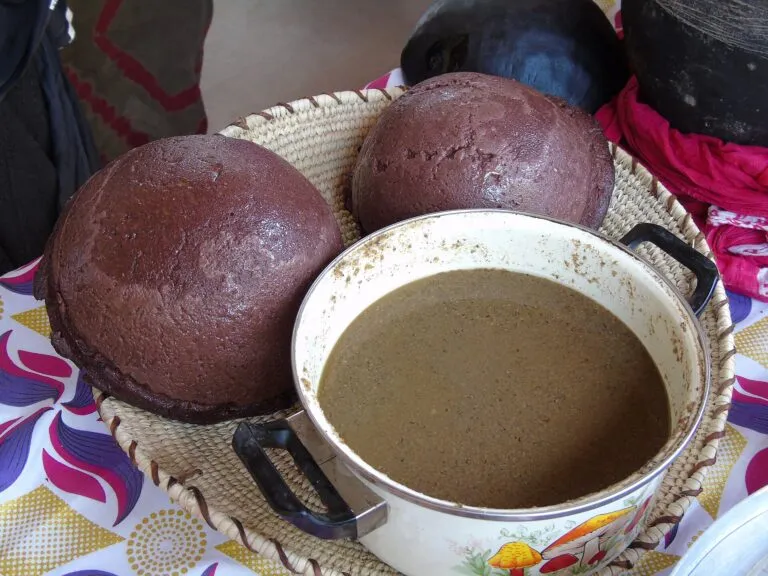
| Amiwo | Maize paste cooked in a spicy tomato and palm-oil sauce, often with chicken or fish; one of Benin’s signature dishes |
| Akassa | Fermented maize paste, steamed and often wrapped in leaves, eaten with fried fish and chilli |
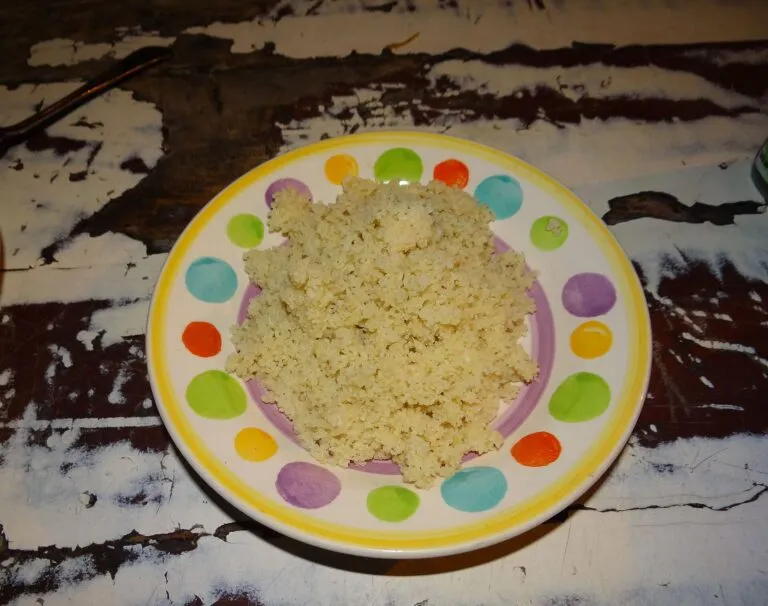
| Pâte (wô) | Plain white maize paste, the everyday base, with sauces |
| Igname pilée | Pounded yam, especially in the centre and north, with peanut or vegetable sauce |
| Sauce arachide | A creamy, slightly sweet peanut sauce with chicken or meat |
| Sauce légume | A leafy green sauce, often with fish or crab |
| Aloko | Fried ripe plantain, sold with chilli as a snack or side |
| Wagashi | Soft Fulani cheese, often fried or cooked in sauce, from the north |
| Gari | Toasted cassava granules, eaten with sauces or soaked in water with sugar as a snack |
| Kluiklui | Crunchy fried peanut sticks, a classic snack |
| Beignets and massa | Doughnuts at breakfast; massa are small fermented rice or millet cakes |
| Grilled fish and crab | From the lagoons and the coast around Cotonou |
How to Order at a Maquis
- Look at the pots and point at the base (paste, yam, rice) and the sauce you want.
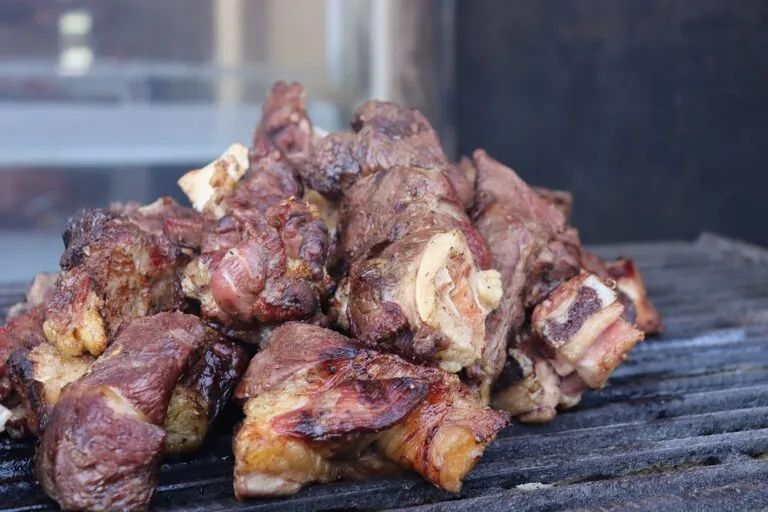
- Choose your protein: fish, chicken, beef, wagashi or crab.
- Ask for chilli on the side (piment à part) if you are not used to heat.
- Wash your hands at the basin: paste and pounded yam are traditionally eaten with the right hand, rolled into a ball and dipped in sauce.
- Pay at the end, usually in cash.
Where to Eat in Cotonou
- Maquis: small open-air restaurants on every street, the most authentic and cheapest option.
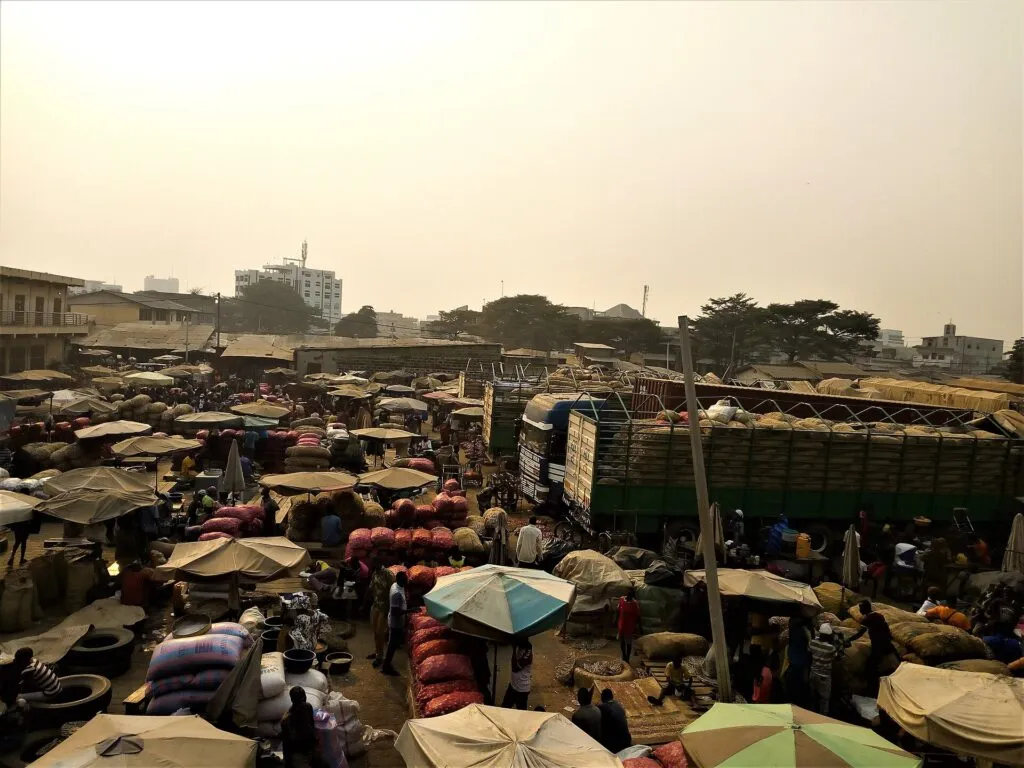
- Dantokpa market: one of the largest open-air markets in West Africa, with food stalls for snacks and quick meals. Keep valuables close.
- Street vendors: for aloko, beignets, kluiklui, grilled corn and fruit.
- Beachfront and lagoon restaurants: for grilled fish and crab, especially at weekends.
Outside Cotonou, Porto-Novo and Ouidah have their own markets and maquis, and the north (Parakou, Natitingou) is where wagashi and yam dishes are best.
Drinks
- Bissap: chilled hibiscus drink, sold everywhere.
- Ginger juice (jus de gingembre): fiery and refreshing.
- Baobab and tamarind drinks in some markets.
- Sodabi and tchoukoutou: palm spirit and sorghum beer, both alcoholic, sold in many maquis.
Safety Tips
- Drink bottled water only; tap water is not recommended for drinking, including in Cotonou.
- Choose busy stalls and food that is cooked hot in front of you.
- Peel fruit yourself and be cautious with raw salads.
- Carry small notes in CFA francs; change is often short.
Dietary and Halal Notes
Halal note: Benin has a large Muslim population, especially in the north, where meat is generally halal. In the south, including Cotonou, meat at ordinary maquis may not be halal, and some menus include pork or bushmeat such as agouti (grasscutter). Fish, crab, wagashi and vegetable sauces are the easiest choices, and many vendors in Cotonou’s Muslim neighbourhoods sell halal meat; ask. Avoid sodabi and tchoukoutou, which are alcoholic. See our halal food travel guide.
Vegetarians need to plan: most sauces contain fish, meat or stock. Wagashi, peanut snacks, aloko, gari and beignets are good options. Maize and yam dishes are naturally gluten-free.
What Street Food Costs in 2026
| Item | Typical price |
|---|---|
| Full meal at a maquis or street stall | About XOF 500–2,000 |
| Aloko portion | About XOF 200–500 |
| Bissap or ginger juice | About XOF 100–300 |
| Grilled fish at a beach restaurant | About XOF 3,000–8,000 |
| Zemidjan (motorbike taxi) to a maquis | About XOF 200–1,000 |
The West African CFA franc (XOF) is pegged to the euro at about 656 francs to one euro.
Frequently Asked Questions
What is the typical dish of Benin?
Amiwo, red maize paste in tomato and palm-oil sauce, is often named as the most representative dish, alongside pâte with sauces and pounded yam.
What is akassa?
Fermented maize paste, steamed and often wrapped in leaves, eaten with fried fish and chilli.
What is wagashi?
A soft cheese made by Fulani herders in northern Benin, often fried or cooked in sauce.
How much does a meal cost in Cotonou?
About XOF 500–2,000 at a maquis or street stall in 2026, more at restaurants for visitors.
Is street food in Benin safe?
Generally yes at busy stalls with hot, freshly cooked food. Drink bottled water and be careful with raw salads.
Is food in Benin halal?
In the north, mostly. In the south, ask about meat, and choose fish, crab or vegetable dishes when unsure.
What is gari?
Toasted cassava granules, eaten with sauces or soaked in water with sugar, peanuts or milk as a snack.
What is a maquis?
A small, informal open-air restaurant serving local food at low prices, common across French-speaking West Africa.
Do people eat with their hands in Benin?
Often, especially paste and pounded yam, using the right hand. Restaurants provide cutlery if you ask.
Is Benin food spicy?
It can be, but chilli is usually served separately, so you can add as much as you like.
What is the best market for food in Cotonou?
Dantokpa, one of the largest markets in West Africa, for snacks and quick meals.
Can vegetarians eat well in Benin?
With some planning: choose wagashi, aloko, gari, beignets, peanuts and vegetable sauces, and ask about fish stock.
More from West Africa: fufu in Togo, attiéké in Côte d’Ivoire, yassa in Senegal and chop bars in Accra.
Sources
- Cuisine béninoise, Bénin 360 (dishes, maquis, 2026 prices, water safety)
- La street food béninoise à Cotonou, Waafrica Travel
- Guide gastronomique de Cotonou, Voyino