
Eat Well and Smart While Travelling
Good food is one of the best parts of travel, and a little planning makes it better, safer and cheaper. These guides cover the practical side of eating abroad: budgeting, reading menus, staying healthy, dietary needs and bringing food home.
Start Here
| If you want to… | Read |
|---|---|
| Eat halal anywhere | Halal food travel guide |
| Plan and budget a food trip | How to budget for a food trip, food itinerary template, our food budget calculator |
| Eat well for less | Eating cheaply while travelling, food on a backpacker budget |
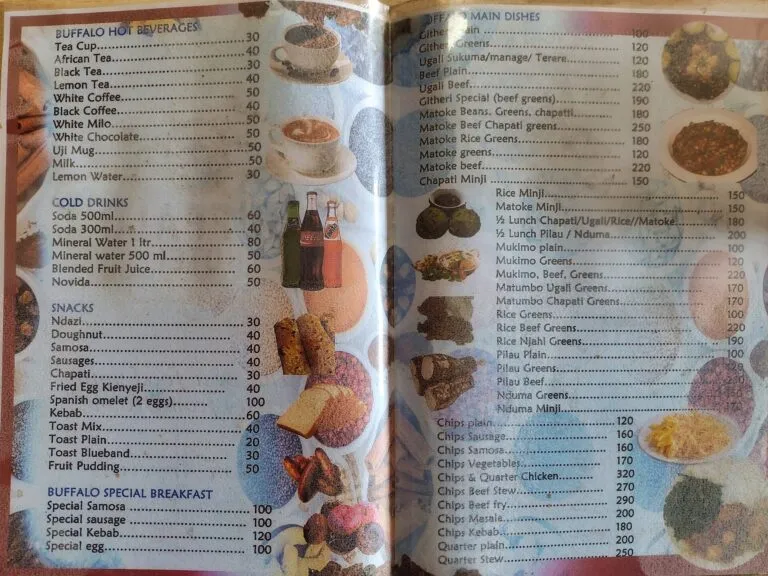
| Understand foreign menus | How to read a menu in another language |
| Travel with dietary needs | Food allergies, gluten-free travel |
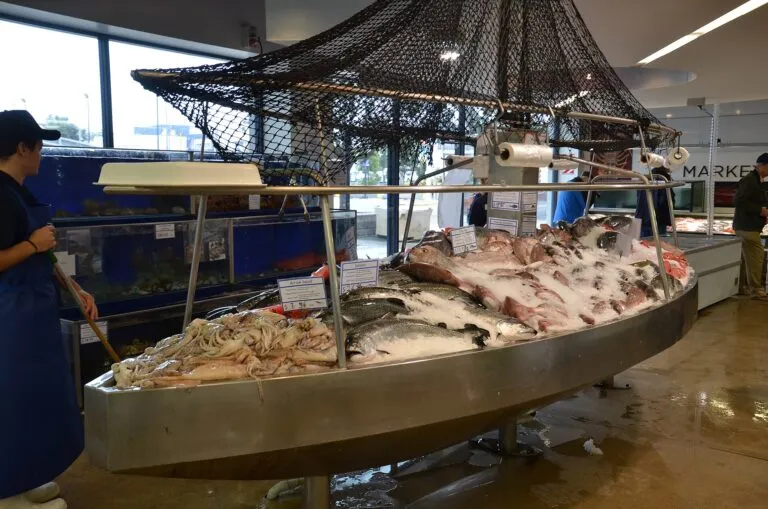
| Eat responsibly | Eating seafood responsibly |
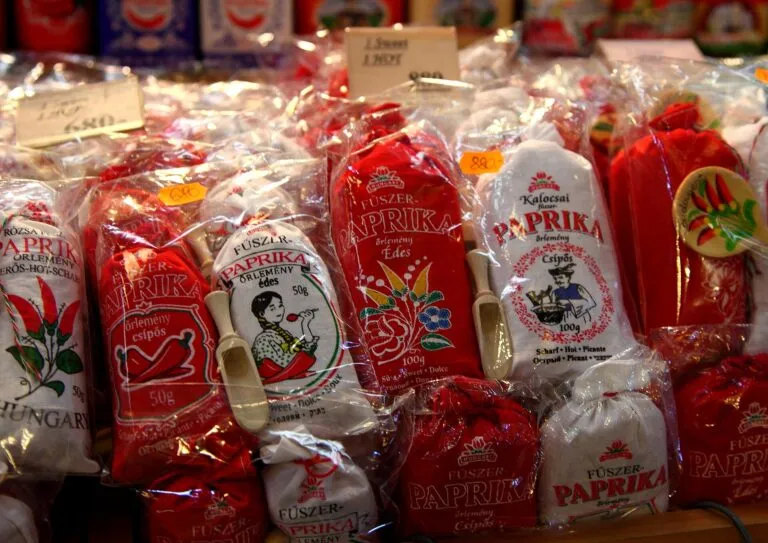
| Bring food home | Food souvenirs and customs rules |
| Eat well in transit | Eating well at airports |
Ten Rules for Eating Well Abroad
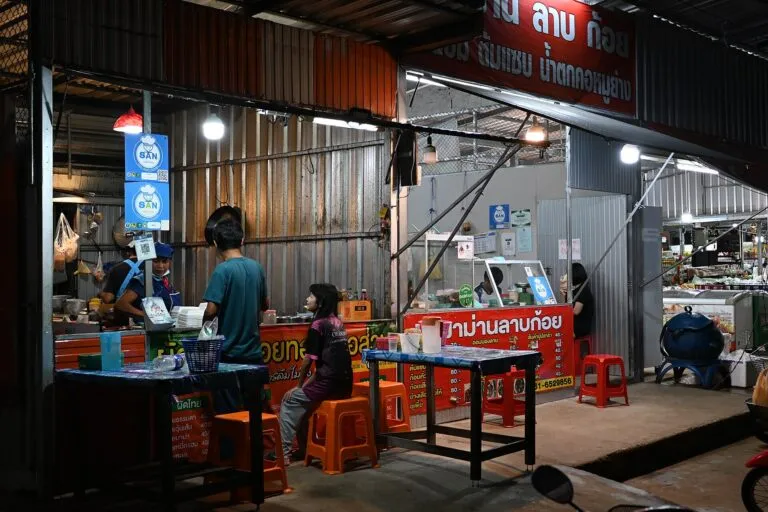
- Eat where locals queue. Busy places turn food over fast, which keeps it fresh.
- Eat lunch as your main meal in countries with good set lunches; it is often half the price of dinner.
- Learn ten food words in the local language, including the ones for pork, alcohol and anything you are allergic to.
- Walk two streets away from the main sights before choosing a restaurant.
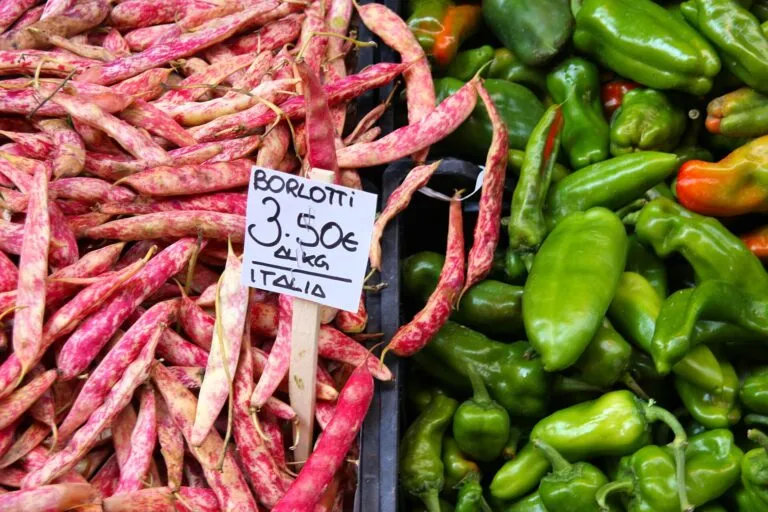
- Visit a market early in your trip to see local ingredients and prices.
- Follow local meal times, such as late dinners in Spain and early ones in the Nordics.
- Drink safe water: bottled or filtered where tap water is not treated.
- Check the tipping custom in our tipping guide.
- Book special meals ahead, but leave room for discoveries.
- Ask questions. Cooks love explaining their food.
Halal and Dietary Needs
Halal note: wherever you go, the same few questions work: Is the meat halal? Does it contain pork, lard or gelatin? Is there alcohol in the sauce or dessert? Our halal food travel guide gives these questions in 12 languages, plus a halal dining card you can show staff.
Planning a Food Trip, Step by Step
- Choose your must-eat list: the five dishes or experiences that would make the trip.
- Check seasons and festivals, which can change what is available.
- Map neighbourhoods where locals eat, and markets near where you stay.
- Book only what needs booking: special restaurants, classes and tours.
- Budget per day using our food budget calculator.
- Prepare for dietary needs: phrases, cards and backup snacks.
- Leave gaps for recommendations from people you meet.
Staying Healthy
- Wash or sanitise your hands before eating, especially at street stalls.
- Be careful with tap water, ice and raw salads where water is not treated.
- Ease into very spicy or rich food in the first days.
- Carry rehydration salts and basic medicine for upset stomachs.
- Know the local emergency number and your nearest pharmacy.
Food Phrases to Learn
Learn how to say hello, thank you, please, “What do you recommend?”, “Not spicy, please”, “Does this contain…?”, “I am allergic to…”, “Is this halal?” and “The bill, please”. Show them on your phone if pronunciation is difficult. Our halal guide lists the most important food phrases in 12 languages.
Saving Money on Food
- Eat your main meal at lunch, when set menus are cheaper.
- Use markets, bakeries and food courts.
- Avoid restaurants on main squares and near major sights.
- Carry a refillable water bottle where tap water is safe.
- Check whether service is included before tipping.
Travelling With Dietary Needs
| Need | Key tips |
|---|---|
| Halal | Learn how to ask about pork, lard, gelatin and alcohol; look for certified restaurants and Muslim neighbourhoods; see our halal guide. |
| Vegetarian and vegan | Ask about meat stock, fish sauce, lard and butter; Buddhist and Indian restaurants are often reliable. |
| Gluten-free | Carry a translated card; rice- and corn-based cuisines are easier; watch for soy sauce and shared fryers. |
| Food allergies | Carry medication and a translated allergy card; research dishes in advance; be clear and firm with staff. |
| Kosher | Look for certified restaurants and supermarkets; large Jewish communities make some cities easier. |
Food Safety by Destination
| Type of destination | What to watch |
|---|---|
| Western Europe, North America, Australia, Japan | Tap water usually safe; normal care with raw seafood |
| Much of Asia, Latin America and Africa | Drink bottled or filtered water; be careful with ice, raw salads and unpeeled fruit |
| Hot climates everywhere | Avoid food that has sat in the heat; choose dishes cooked to order |
Using Technology Wisely
Phone apps make eating abroad easier. Use camera translation to read menus and labels, maps to find well-reviewed local places, and delivery apps to browse what a city eats, even if you then visit in person. Halal, vegan and allergy apps help you filter options, but always confirm with staff, because listings go out of date.
AI assistants can translate questions and explain dishes, but they can be wrong about specific restaurants and ingredients. Treat them as a starting point, and trust certificates, labels and what the cook tells you.
The more you prepare, the more relaxed you can be once you arrive: a few phrases, a budget, a list of dishes to try and a plan for dietary needs let you spend your time enjoying the food rather than worrying about it.
Frequently Asked Questions
How do I avoid getting sick from food abroad?
Choose busy places, eat food that is cooked hot, drink safe water, peel fruit yourself and wash your hands before eating.
How much should I budget for food when travelling?
It varies widely: from under USD 15 a day in parts of Asia to USD 60–100 or more in Western Europe and North America. Our budget calculator estimates costs by country.
How do I find authentic local food?
Ask locals, follow queues, visit markets, eat at lunchtime set-menu places, and avoid restaurants with touts or photo menus on main squares.
How do I read a menu in a language I do not know?
Use your phone’s camera translation, learn key food words, and ask staff to point out popular dishes.
Can I bring food home from abroad?
Packaged, sealed foods are often allowed, but meat, dairy, fresh fruit and plants are restricted in many countries. Check your country’s customs rules.
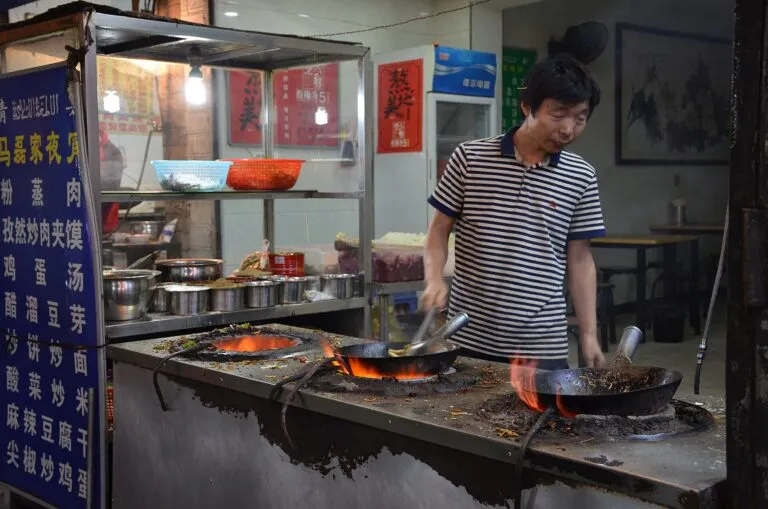
Is street food safe?
Usually, at busy stalls where food is cooked hot in front of you. Be careful with raw items and ice where water is not treated.
How do I travel with food allergies?
Carry an allergy card in the local language, research dishes in advance, bring medication, and tell restaurants clearly.
How can I find halal food when travelling?
Use halal apps, look for certified restaurants and Muslim neighbourhoods, and fall back on seafood and vegetarian dishes; see our halal food travel guide.
What snacks should I pack for travel?
Nuts, dates, dried fruit, cereal bars and anything you need for dietary reasons, especially for long journeys and late arrivals.
Should I take a food tour on my first day?
Often yes. A good tour shows you local dishes, how to order and where locals eat, which helps for the rest of your trip.
How do I eat well on a long-haul flight?
Order special meals in advance if you need them, bring snacks, drink water regularly and eat lightly before landing.
How do I find good restaurants without relying on reviews?
Ask hotel staff, shopkeepers and taxi drivers where they eat, look for places full of locals, and walk a few streets away from tourist areas.