How Europe Eats: A Quick Map of Its Food Regions
Europe is a short flight or train ride between completely different ways of eating. In a single week you can go from olive oil, tomatoes and seafood on the Mediterranean to butter, cream and rye bread in the north, and from Ottoman-style grills in the Balkans to cheese bread and dumplings in the Caucasus. Knowing the broad regions helps you plan a trip around the food you actually want to eat.
| Region | Countries | What defines the food | Start with |
|---|---|---|---|
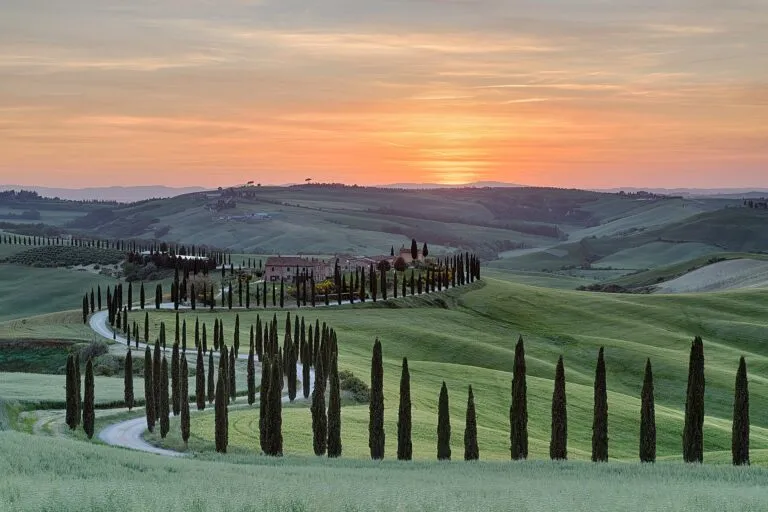
| Mediterranean | Italy, Spain, Portugal, Greece, southern France | Olive oil, tomatoes, seafood, bread, fresh produce, long lunches | Gelato in Florence, pulpo a la gallega, Greek meze |
| Western and Central | France, Belgium, the Netherlands, Germany, Austria | Bakeries, butter and cream, chocolate, cheese, hearty meat dishes | Croissants in Paris, Brussels chocolate, schnitzel in Vienna |
| British Isles | United Kingdom, Ireland | Fish and chips, pies, afternoon tea, one of Europe’s most varied immigrant food scenes | Fish and chips, afternoon tea |
| Nordic | Denmark, Sweden, Norway, Finland | Rye bread, smoked and pickled fish, berries, open sandwiches | Smørrebrød in Copenhagen |
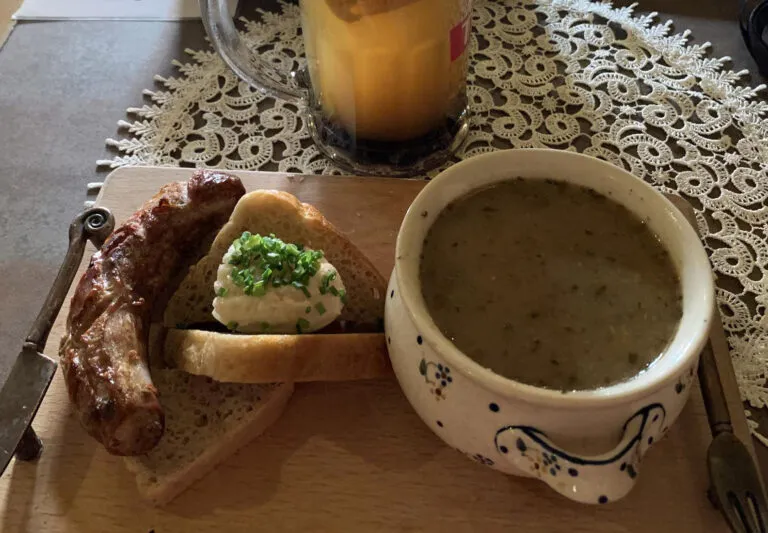
| Central and Eastern | Poland, Hungary, Czechia and neighbours | Soups, dumplings, paprika, sour rye, sweet pastries | Chimney cake in Budapest, żurek in Poland |
| Balkans | Bosnia and Herzegovina, Albania, Serbia and neighbours | Ottoman-influenced grills, pies, yoghurt, peppers | Ćevapi in Sarajevo, burek, tavë kosi |
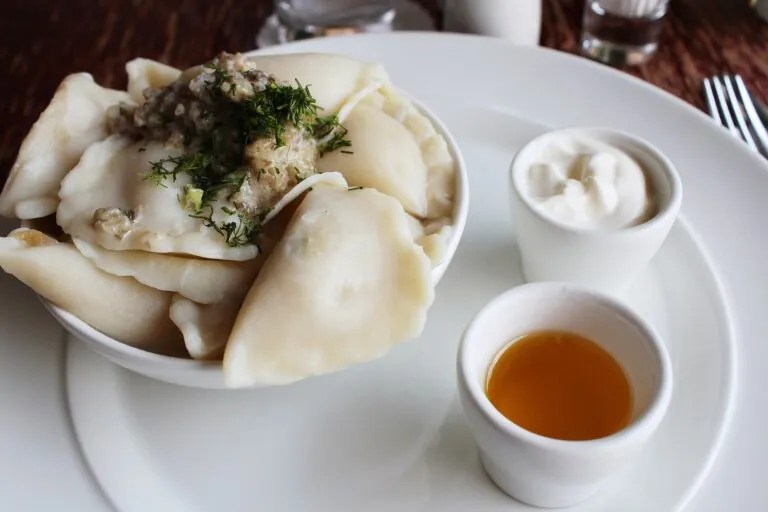
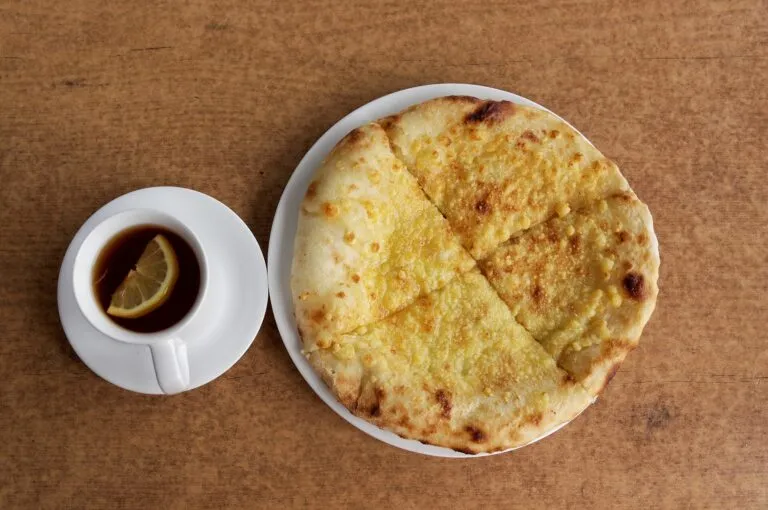
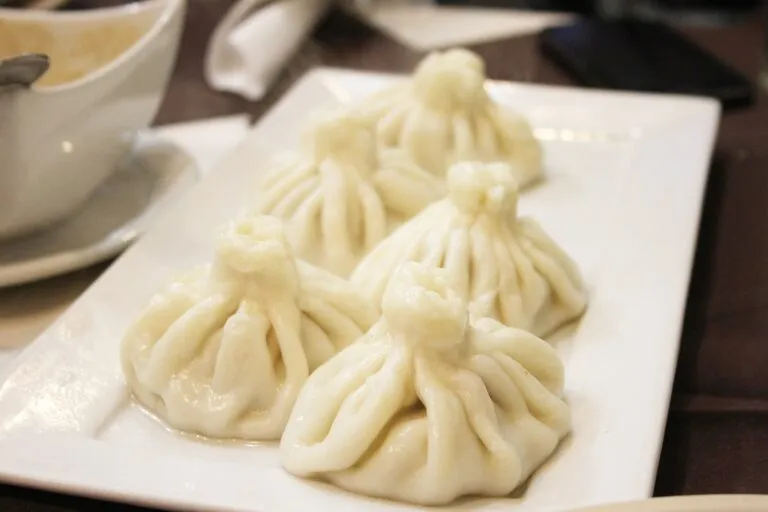
| Caucasus | Georgia, Armenia | Cheese breads, dumplings, walnuts, herbs, grilled meat | Khachapuri, khinkali in Tbilisi |
Our European Country Guides
Each country page collects our dish, city and market guides for that country:
- France: bakeries, cheese shops, Breton galettes, Marseille’s bouillabaisse and Bordeaux’s canelés.
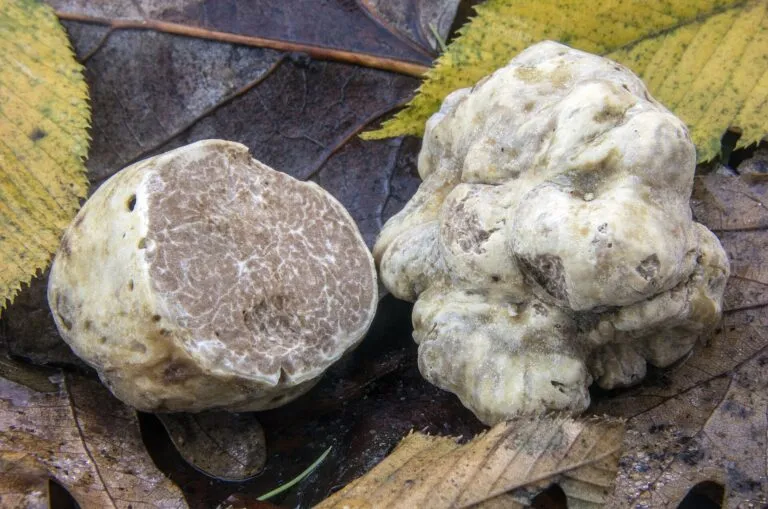
- Italy: gelato, Florentine steak, Sicilian cannoli and Piedmont’s white truffles.
- Spain: chocolate con churros, Galician octopus, Valencian horchata and Catalan calçots.
- Portugal: bacalhau in Lisbon and the Algarve’s cataplana.
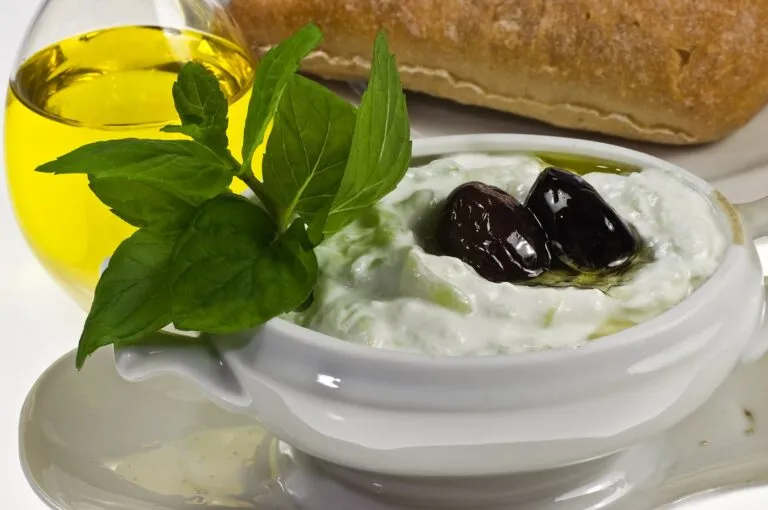
- Greece: meze in Athens and island food.
- United Kingdom: fish and chips, afternoon tea, Cornish pasties and Irish stew.
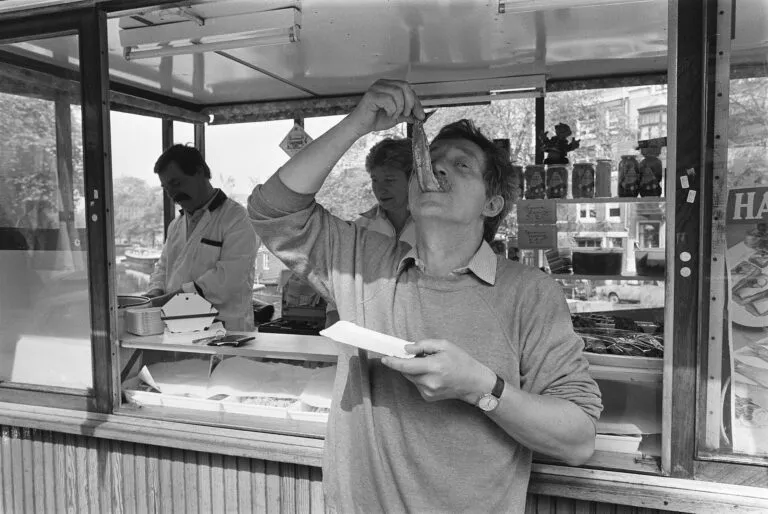
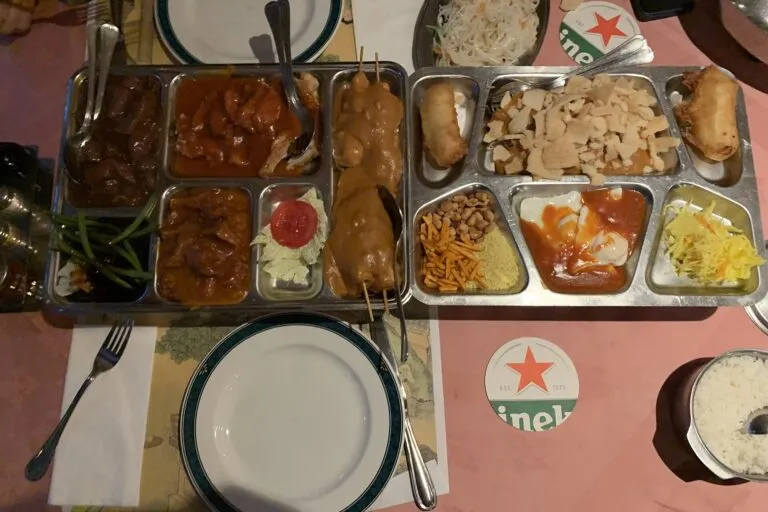
- Belgium and the Netherlands: chocolate, waffles, fries, stroopwafels, herring and rijsttafel.
- Germany and Austria: currywurst, Christmas markets, Black Forest cake and Wiener schnitzel.
- Georgia and Armenia: khachapuri, khinkali and Caucasian feasts.
Balkan and Nordic guides, including Bosnia, Albania and Denmark, are listed above on this page.
Europe’s Famous Dishes and Where to Try Them
People often ask which foods Europe is most famous for. These are the dishes travellers seek out most, with what to check if you avoid pork or alcohol.
| Dish | Country | Good to know |
|---|---|---|
| Croissant | France | Butter pastry; usually fine, check for ham-filled versions. Guide |
| Gelato | Italy | Ask about liqueur flavours such as tiramisù or rum-raisin. Guide |
| Wiener schnitzel | Austria | Traditionally veal; “Wiener Art” versions are often pork. Guide |
| Fish and chips | United Kingdom | Ask about beer batter and beef dripping. Guide |
| Ćevapi | Bosnia and Herzegovina | Beef; halal in Sarajevo’s traditional grills. Guide |
| Khachapuri | Georgia | Cheese bread; vegetarian. Guide |
| Greek meze | Greece | Many vegetable and seafood plates; ask about pork and wine. Guide |
| Belgian chocolate | Belgium | Check liqueur-filled pralines. Guide |
| Stroopwafel | Netherlands | Caramel waffle; usually fine. Guide |
| Bacalhau | Portugal | Salt cod in hundreds of recipes. Guide |
Europe’s Best Cities for Food Lovers
Food writers and travellers keep returning to the same cities, each for a different reason:
- Paris and Lyon: bakeries, cheese and classic French cooking; Paris also has one of Europe’s largest North African and halal food scenes.
- Florence, Bologna and Naples: Italian regional cooking, pasta, pizza and gelato.
- Lisbon and Porto: seafood, bacalhau and custard tarts at good prices.
- Madrid and Valencia: churros, markets, rice dishes and horchata.
- Athens: meze, street food and markets.
- London: food from almost every country in the world, including a huge range of halal restaurants.
- Brussels and Amsterdam: chocolate, fries and waffles, plus Indonesian, Moroccan and Turkish food.
- Sarajevo and Tbilisi: two of Europe’s most rewarding and affordable food cities.
Halal Food in Europe
Halal food is easy to find in some European cities and takes planning in others. Large Muslim communities have shaped the food scenes of London, Birmingham, Paris, Marseille, Brussels, Amsterdam, Rotterdam, Berlin and Vienna, where halal butchers, Turkish, Moroccan, Algerian, Pakistani and Bangladeshi restaurants are common. Sarajevo, with its Muslim majority, is one of the easiest cities of all.
It is harder in much of Italy, Spain, Portugal, Poland and the Nordic countries outside their capitals, where pork and alcohol appear in many traditional dishes. Seafood, vegetarian dishes and immigrant neighbourhoods are your friends there.
Halal note: watch for hidden pork and alcohol in European classics: lardons and wine in French sauces, guanciale and pancetta in Italian pasta, chorizo and jamón in Spain, bacon in British breakfasts, Speck and beer in Germany, and liqueur in desserts. Our halal food travel guide lists the menu words in French, Spanish, Italian, Portuguese, German, Dutch and Polish, and how to ask in each language. Several of our European guides also explain halal alternatives, such as halal currywurst in Berlin and rijsttafel without pork.
Practical Tips for Eating in Europe
- Meal times vary a lot. Spaniards often eat lunch around 2 to 3 pm and dinner after 9 pm; in the Nordics and the UK, dinner can start at 6 pm. Many kitchens close between lunch and dinner.
- Tipping is modest. Service is often included or tips are small. Check each country in our tipping and restaurant etiquette guide.
- Watch for table charges. Italy’s coperto (cover charge) and bread charges in Portugal and elsewhere are normal and listed on the menu.
- Tap water is generally safe in most of Western and Northern Europe; in restaurants, ask for tap water if you do not want bottled.
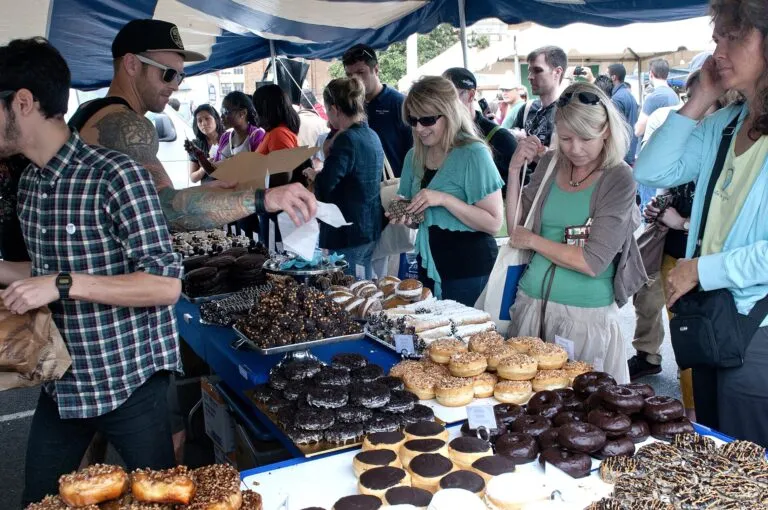
- Markets are the best value. Covered markets in Florence, Barcelona, Lisbon and Budapest offer cheap, excellent lunches.
- Budget varies widely. Switzerland, the Nordics and London are expensive; Portugal, Greece, the Balkans and Georgia are much cheaper. Plan with our food travel budget calculator.
Frequently Asked Questions
Which country in Europe has the best food?
Italy, France and Spain are the most common answers, with Greece and Portugal close behind for fresh, affordable food. For halal-conscious travellers, Bosnia and Herzegovina, and cities such as London and Paris, are among the easiest and most rewarding.
What is the best European city for a food trip?
Paris, Florence, Bologna, Lisbon, Madrid and London are classic choices. Sarajevo and Tbilisi are excellent, less-crowded alternatives with very good value.
Which European countries are cheapest for food?
Portugal, Greece, the Balkans (Bosnia, Albania, Serbia), Georgia, Poland and Hungary generally offer the best value for eating out.
Is halal food easy to find in Europe?
In big cities with large Muslim communities, such as London, Paris, Brussels, Berlin and Sarajevo, yes. In smaller towns in Italy, Spain, Portugal and the Nordics, it takes planning; choose seafood and vegetarian dishes and look for Turkish or North African restaurants.
Which city in Europe has the most Muslims?
Istanbul and Moscow have the largest Muslim populations of Europe’s major cities; in Western Europe, London and Paris have the largest Muslim communities.
Do I need to tip in European restaurants?
Usually only a little. Many countries include service; rounding up or leaving 5 to 10 percent for good service is common. Customs differ by country.
What is a coperto in Italy?
A per-person cover charge for bread and table service, shown on the menu. It is normal and not a tip.
Is it easy to eat vegetarian in Europe?
Yes in most cities, especially in the UK, Germany, the Netherlands and Scandinavia. Southern and Eastern Europe are improving, but meat stock and lard can appear in vegetable dishes, so ask.
When is the best time for a food trip to Europe?
Late spring and early autumn bring good weather, fewer crowds and seasonal produce: truffles and harvest festivals in autumn, asparagus and strawberries in spring.
How do I avoid pork and alcohol in European food?
Learn the menu words for pork, lard, ham, bacon and wine in each language, ask about sauces and desserts, and favour seafood, vegetarian dishes and halal restaurants. Our halal food travel guide lists the words.