How Africa Eats: A Map of Its Food Regions
Africa has 54 countries and hundreds of food traditions, but a few patterns help travellers make sense of it. Most meals pair a filling staple, such as a grain paste, rice, bread or cassava, with a stew or sauce, and are often eaten with the right hand from a shared bowl.
| Region | What defines the food | Start with |
|---|---|---|
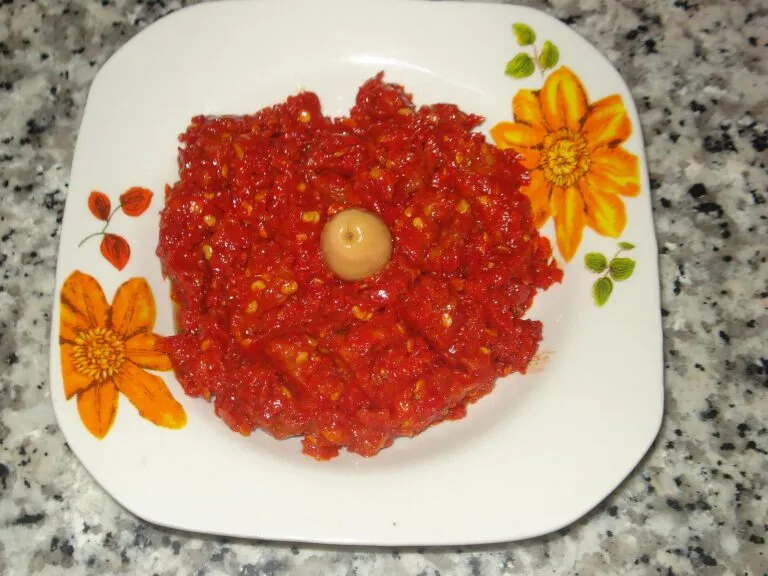
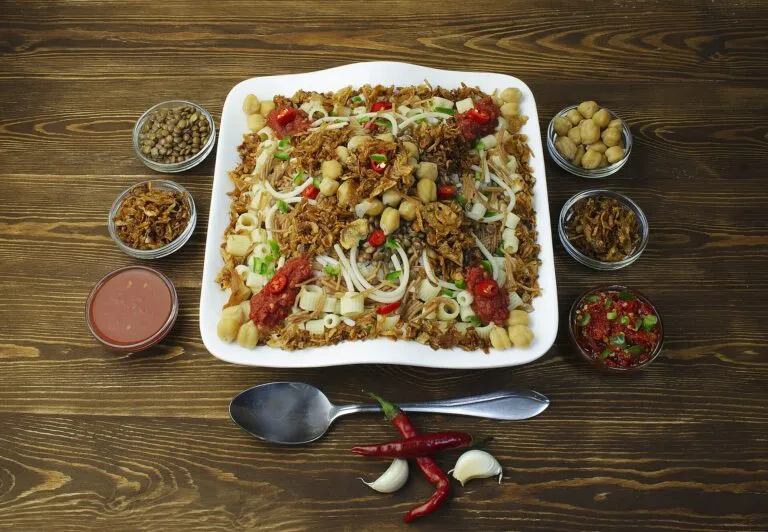
| North Africa | Couscous, tagines, bread, spices, pastries; mostly Muslim and easy for halal food | Algerian couscous, Moroccan tagine, Tunisian harissa, Egyptian koshari |
| West Africa | Rice dishes, pounded yam and cassava, peanut and palm-nut sauces, grilled fish | Yassa, attiéké, fufu, Accra chop bars, Benin street food |
| Central Africa | Leaf stews, palm-nut and peanut sauces, cassava breads | Ndolé, saka saka, fumbwa, nyembwe, boule |
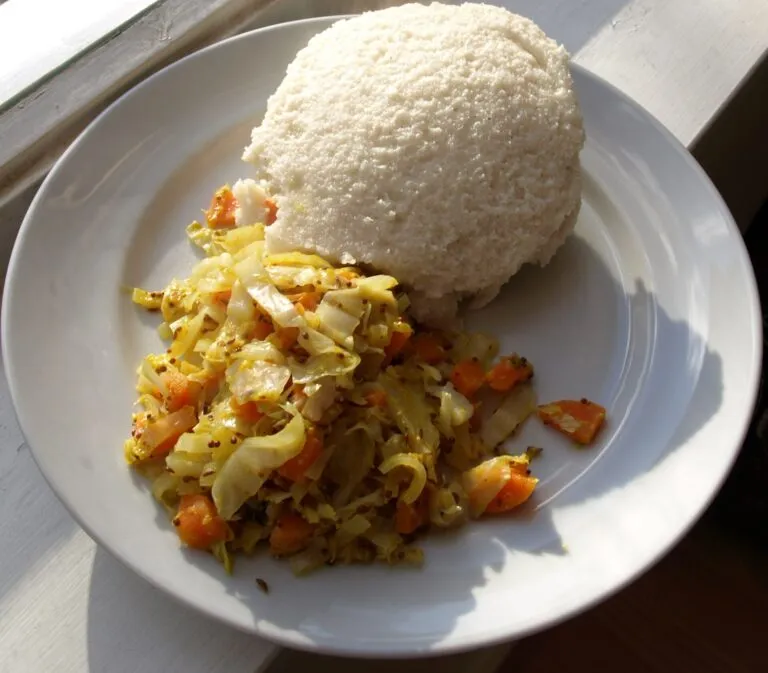
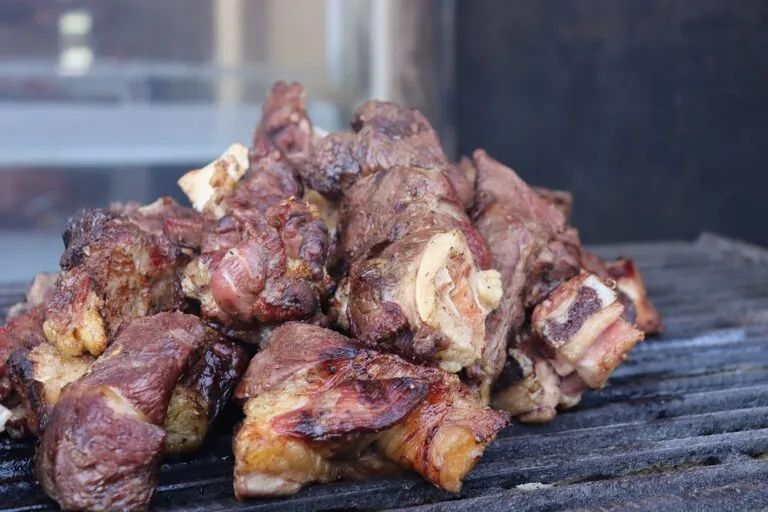
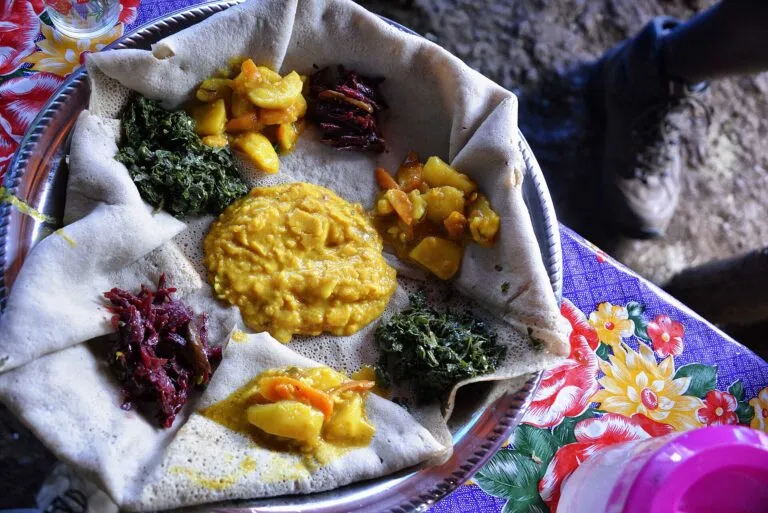
| East Africa | Injera, grilled meat, spiced rice, Swahili coastal cooking | Injera, nyama choma, Zanzibar’s food, Burundi’s ubugali |
| Southern Africa | Grilled meat, maize porridge, Cape Malay and Indian influences | Bunny chow, Cape Malay food, kapana, seswaa |
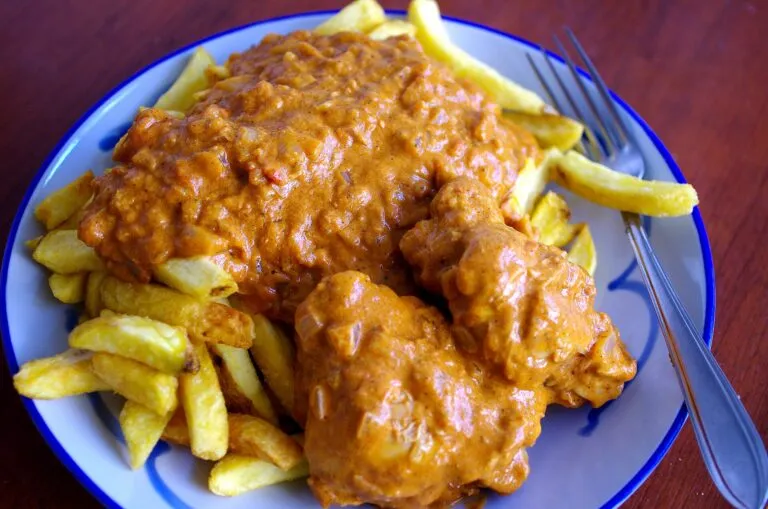
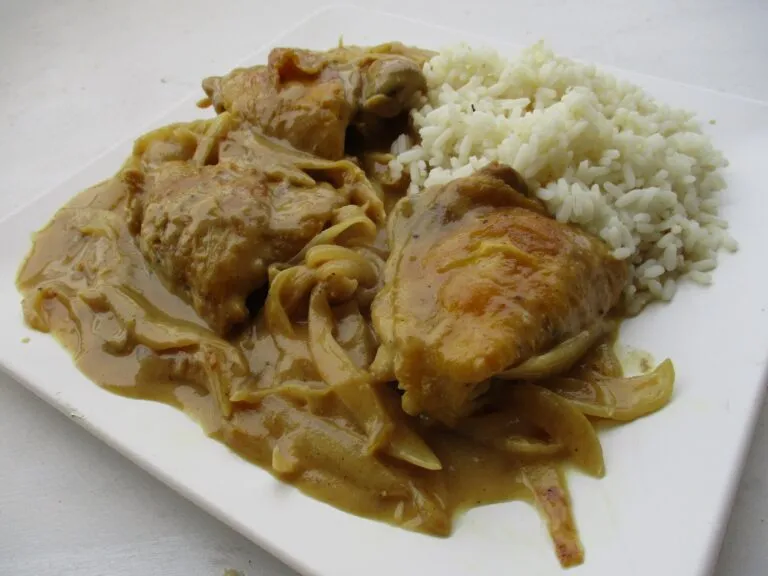
| Indian Ocean and Lusophone Africa | Rice and broths, palm oil, seafood, Portuguese influence | Romazava, muamba de galinha, mufete |
The Staples That Hold Every Meal Together
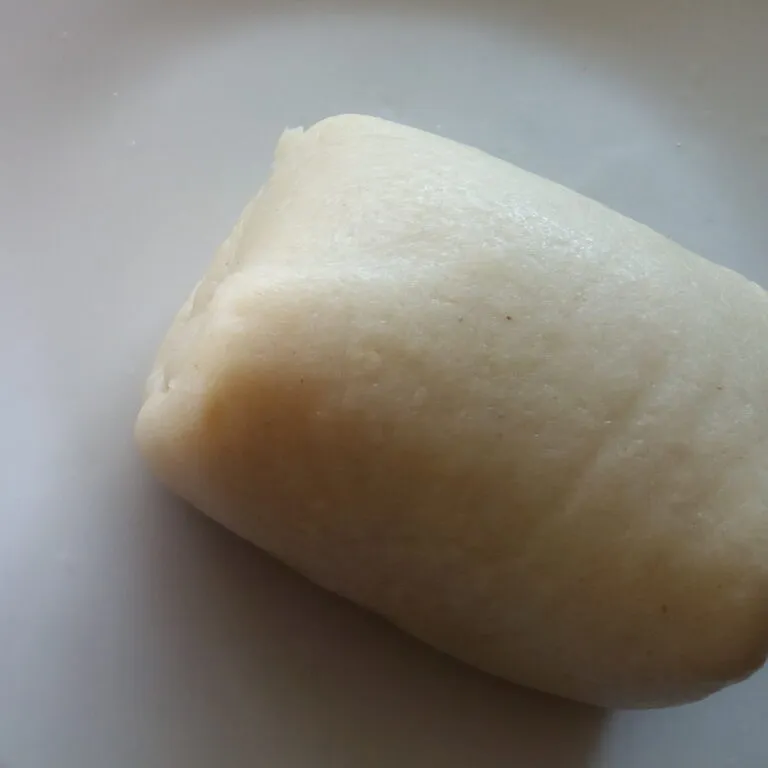
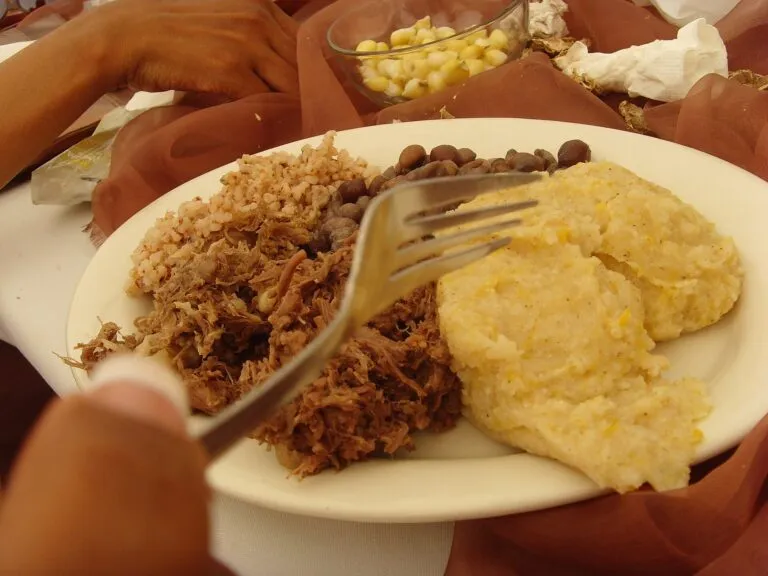
If you understand Africa’s staples, menus make sense quickly. The same idea, a soft starch eaten with a sauce, appears under many names: ugali in Kenya and Tanzania, ubugali in Burundi, fufu in Ghana and Togo, foutou in Côte d’Ivoire, boule in Chad, pap in southern Africa and funge in Angola. North Africa has bread and couscous, the Horn of Africa has injera, and coastal and island cooking leans on rice.
Pinch off a piece of the staple with your right hand, dent it with your thumb and use it to scoop up the sauce. Restaurants give cutlery if you ask.
Street Food and Markets
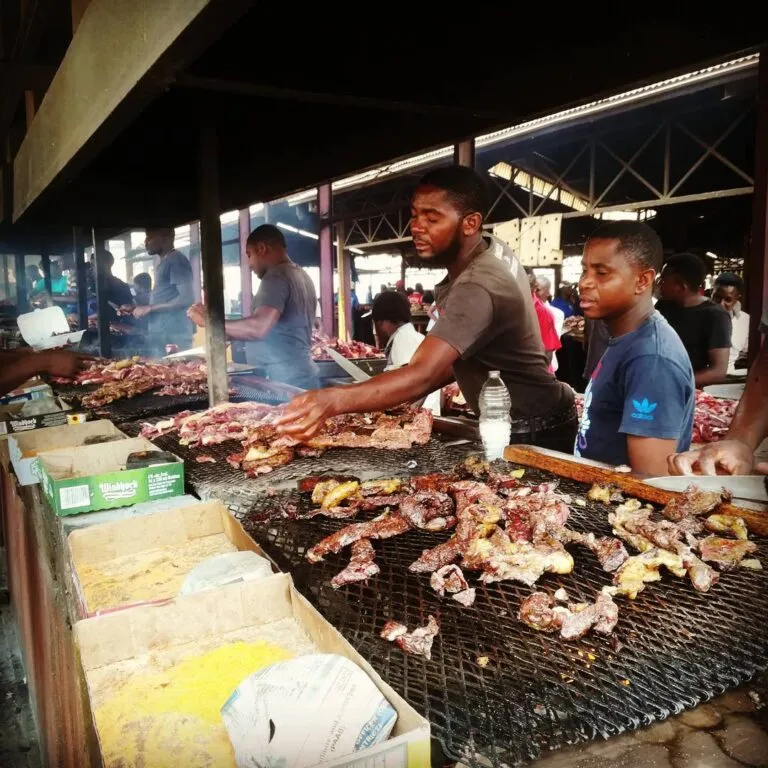
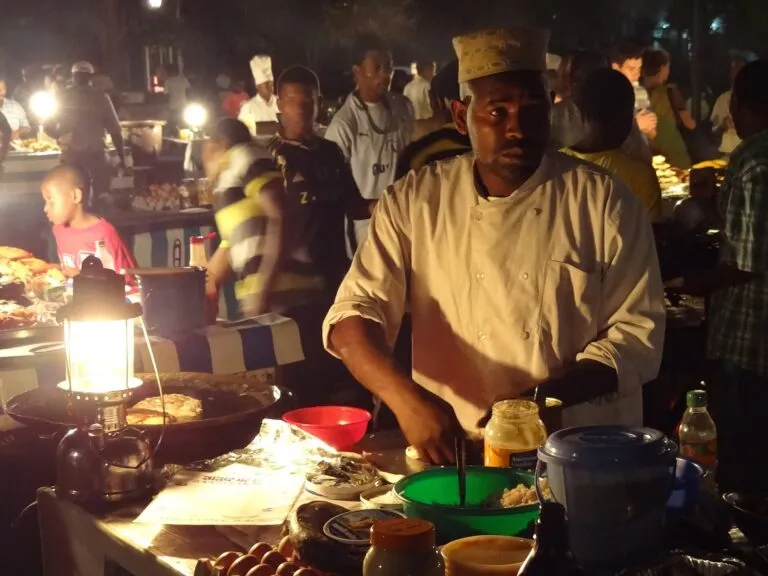
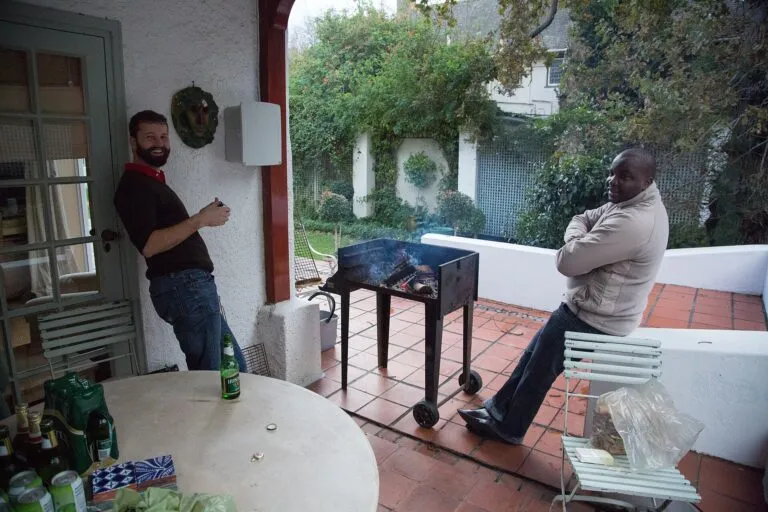
Some of the continent’s best food is sold from grills and stalls: Senegalese dibi lamb, Ghanaian kelewele and waakye, Kenyan nyama choma, Namibian kapana, Egyptian koshari and taameya, Zanzibar’s Forodhani night market, and Durban’s bunny chow. Busy stalls with food cooked in front of you are the safest choice.
Halal Food in Africa
Much of Africa is Muslim, which makes halal food easy across North Africa, the Sahel and much of West Africa, Zanzibar and the Swahili coast, and in cities such as Dakar, Cairo, Tunis, Algiers, Casablanca and Mombasa. In mainly Christian countries, meat at ordinary restaurants may not be halal-slaughtered, but Muslim communities, often in specific neighbourhoods, run halal butchers and restaurants.
Halal note: watch for bushmeat and pork in parts of Central and Southern Africa, palm wine and local beers at maquis and chop bars, and pork in some Lusophone and Malagasy dishes. Fish, beans, vegetable sauces and staples are easy alternatives everywhere. Our halal food travel guide explains how to ask.
Practical Tips
- Drink bottled or treated water in most countries, and be careful with ice and raw salads.
- Carry small cash; markets and street stalls rarely take cards.
- Eat with your right hand where that is the custom, and wash before and after.
- Lunch is often the main meal, and popular dishes sell out by mid-afternoon.
- Plan your budget with our food budget calculator and check customs in our tipping guide.
Africa’s Best Food Cities
- Marrakech and Fes: tagines, couscous, street grills and pastries in the medinas.
- Cairo and Alexandria: koshari, fuul, taameya and Mediterranean seafood.
- Dakar: thieboudienne, yassa and grilled lamb, in one of the easiest halal cities in Africa.
- Accra and Lagos: jollof rice, waakye, suya and chop bars.
- Addis Ababa: injera feasts and the coffee ceremony.
- Zanzibar and Mombasa: Swahili spices, biryani, pilau and seafood.
- Cape Town and Durban: Cape Malay curries, bobotie, bunny chow and seafood.
Drinks to Try
Africa has a wealth of non-alcoholic drinks: hibiscus (bissap or karkade) in West Africa, Egypt and Sudan, Moroccan mint tea, Ethiopian coffee, baobab juice, ginger juice, tamarind and sugarcane juice, and spiced Swahili tea. Local beers, palm wine and spirits are common at bars, so ask if you prefer alcohol-free places.
When to Go
Food seasons follow rains and harvests. The dry seasons are easiest for travel in most of the continent. Ramadan transforms Muslim-majority cities, with quiet days and lively evening iftars, while Christmas and Eid bring festive dishes such as lamb, rice dishes and pastries such as makroud.
What a Food Trip in Africa Costs
| Destination | Street food or local meal | Sit-down restaurant |
|---|---|---|
| Morocco, Egypt, Tunisia | About USD 2–6 | About USD 10–25 |
| Senegal, Ghana, Côte d’Ivoire | About USD 1–5 | About USD 8–20 |
| Kenya, Tanzania, Ethiopia | About USD 2–6 | About USD 8–20 |
| South Africa, Namibia, Botswana | About USD 3–8 | About USD 12–30 |
Prices vary with exchange rates; local eateries and markets are far cheaper than hotels and tourist restaurants.
How to Order and Eat Like a Local
In much of Africa you order by pointing at pots or asking what is ready today, because many eateries cook a few dishes in the morning and sell until they run out. At a West African maquis or chop bar, choose your staple first, then your sauce and protein. In East Africa, grilled meat is often ordered by weight. In North Africa, bread replaces cutlery for many dishes, and mint tea is offered to guests as a welcome.
Meals are social. If you are invited into a home, wash your hands, accept what is offered, and wait for the host before starting. Leaving a little food on your plate can signal that you have been well fed; finishing everything may bring a second helping.
Frequently Asked Questions
What is the best food to eat in Africa?
It depends on the region: couscous and tagine in North Africa, jollof rice, yassa and attiéké in West Africa, injera and nyama choma in East Africa, and bunny chow and Cape Malay curries in South Africa.
What are the top African foods to try?
Couscous, tagine, koshari, injera, jollof rice, yassa, fufu, attiéké, ndolé, nyama choma, bunny chow and Zanzibar’s seafood are among the best known.
What is Africa’s most eaten food?
Staple starches such as maize, cassava, rice, yams and sorghum, eaten as porridges, pastes, breads and grains with sauces.
What do Africans eat every day?
Typically a staple such as ugali, fufu, rice or bread with a vegetable, bean, fish or meat sauce. Meat is often reserved for weekends and celebrations.
Is it easy to find halal food in Africa?
Yes in North Africa, the Sahel, much of West Africa and the Swahili coast. In mainly Christian countries, ask about meat and look for Muslim neighbourhoods.
Is African street food safe?
Generally yes at busy stalls where food is cooked hot in front of you. Drink bottled water and be careful with raw foods.
Do people eat with their hands in Africa?
In many countries, yes, using the right hand, especially with staples such as fufu, ugali and injera. Cutlery is available in most restaurants.
Is African food spicy?
Some is, especially in West Africa and Ethiopia, but chilli is often served on the side so you can choose.
Which African countries are best for a food trip?
Morocco, Senegal, Ethiopia, Ghana, Nigeria, South Africa, Tanzania (including Zanzibar) and Egypt are especially rewarding.
What is the national dish of Nigeria?
Jollof rice is the best-known national favourite, along with pounded yam and egusi soup, and suya grilled meat as street food.
What should I try first in North Africa?
Couscous, a tagine, fresh bread with olive oil, harira soup in Morocco and koshari in Egypt.