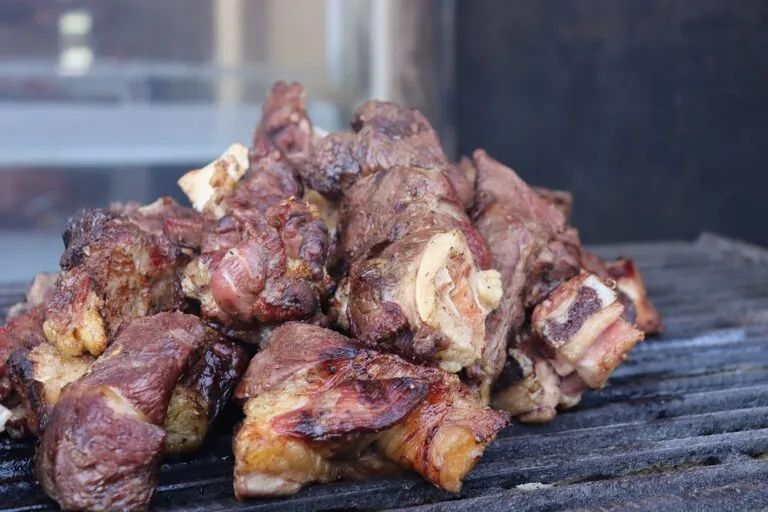
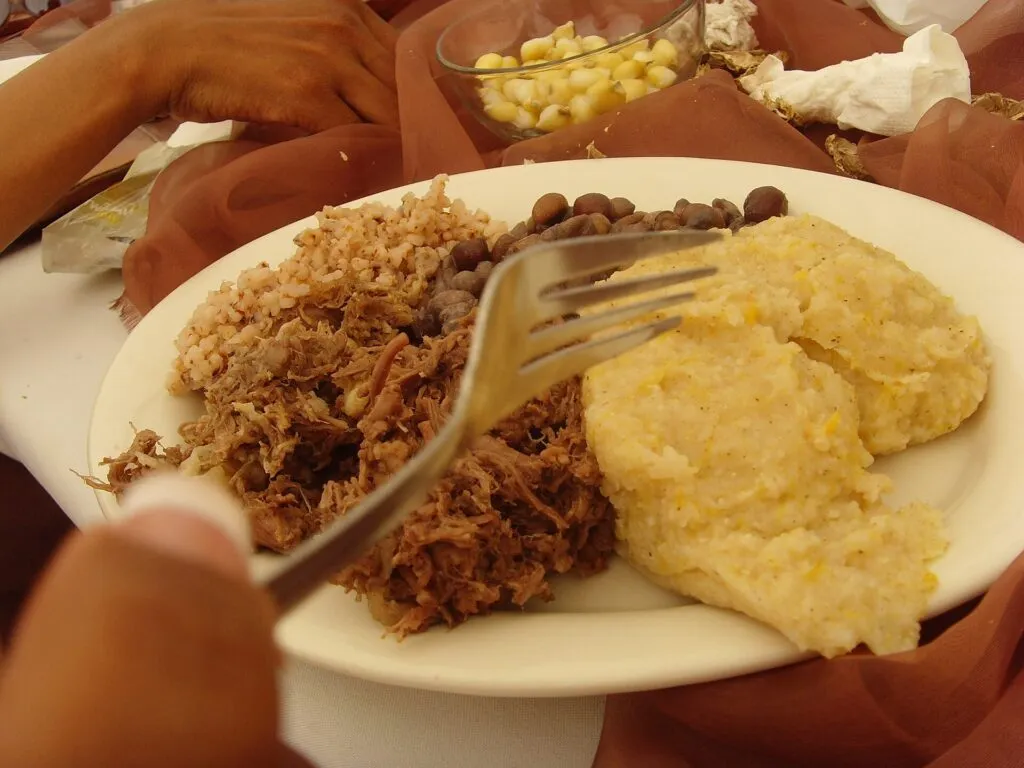
At a Botswana wedding, the cooking starts before dawn. Men tend huge three-legged iron pots over wood fires, where beef on the bone has been boiling with nothing but water and salt for hours. When it falls apart, they pound it with heavy wooden sticks until it shreds into soft, savoury strands, ready to be heaped onto plates beside white maize porridge.
Seswaa is Botswana’s national dish: beef (sometimes goat or chicken) slow-boiled with salt until very tender, then pounded and shredded, and served with pap (maize porridge) or bogobe (sorghum porridge) and boiled greens. It is called loswao in the south of the country and in parts of South Africa, and it is the centrepiece of weddings, funerals and Independence Day on 30 September.
This guide covers how seswaa is made, what it is served with, when Batswana eat it, where to try it, how to make it at home, and dietary and halal notes.
What Seswaa Tastes Like
Simple and deeply meaty. With only salt as seasoning, the flavour comes from the beef itself, the bones and the long cooking. The texture is soft and stringy, like very tender pulled beef, and it is usually served with some of its rich cooking liquid.
How Seswaa Is Made
- Fatty cuts of beef on the bone, such as brisket, shin or shoulder, are placed in a large pot, traditionally a three-legged cast-iron pot over a fire.
- They are covered with water, salted, and sometimes given an onion and bay leaf.
- The meat boils slowly for several hours, topped up with water, until it falls off the bone.
- Bones are removed and the meat is pounded with a wooden stick or pestle until it shreds.
- It is mixed with a little of the cooking fat and broth and served hot.
At celebrations, cooking seswaa is traditionally men’s work, with several pots going at once to feed hundreds of guests.
What Seswaa Is Served With
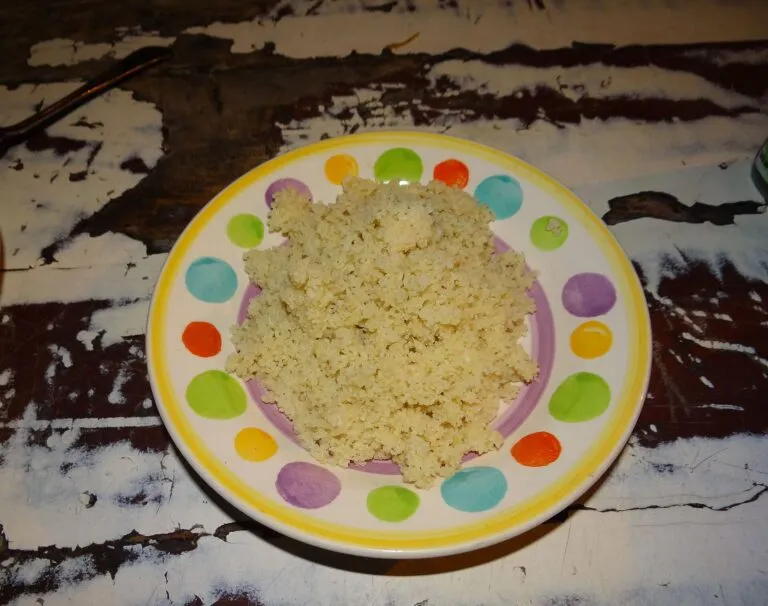
- Pap (phaletshe): stiff maize porridge, the most common side.
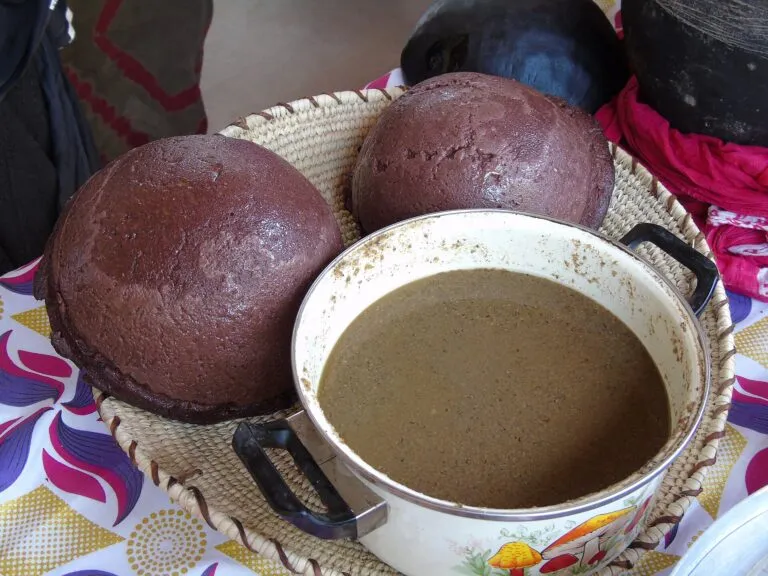
- Bogobe: sorghum porridge, more traditional and slightly sour.
- Morogo: boiled wild or cultivated leafy greens, similar to spinach.
- Squash or pumpkin, and sometimes beans or samp (crushed maize).
When Batswana Eat Seswaa
- Weddings and funerals, where it is cooked in large quantities by the community.
- Independence Day (Botswana Day), 30 September, marking independence in 1966.
- Family gatherings and Sunday lunches.
- Everyday lunches at traditional restaurants and food stalls in towns.
Where to Try Seswaa
Travellers on forums often ask where to find good seswaa before flying out of Gaborone. The best places are:
- Traditional restaurants and lunch spots in Gaborone, which serve seswaa with pap and morogo, especially at lunchtime.
- Food stalls at bus ranks and markets, for cheap, filling plates.
- Cultural villages and lodges, which often include seswaa on traditional dinner nights for safari guests.
- National celebrations, if you are lucky enough to be invited.
How to Make Seswaa at Home
- Use about 1 kg of bone-in beef, such as shin, brisket or chuck.
- Season with 2 teaspoons of salt, add an onion and a bay leaf, and cover with water.
- Simmer for 3–4 hours, or cook in a slow cooker for 6–8 hours, until the meat falls off the bone.
- Remove the bones and pound or pull the meat with forks or a wooden spoon until finely shredded.
- Stir in a little of the cooking liquid and serve with maize porridge and greens.
Dietary and Halal Notes
Halal note: seswaa is made only from meat, water and salt, with no pork or alcohol, but beef in Botswana is generally not halal-slaughtered. Gaborone has a small Muslim community with mosques and halal butchers, so you can make seswaa at home with halal beef or ask locally for halal options. At safari lodges, request halal or fish meals in advance. See our halal food travel guide.
Seswaa, pap and bogobe are naturally gluten-free. Vegetarians can enjoy pap, bogobe, morogo and beans, but seswaa itself is entirely meat.
What It Costs in 2026
| Where | Typical price |
|---|---|
| Seswaa with pap at a Gaborone food stall | About BWP 40–70 |
| At a traditional restaurant | About BWP 80–150 |
| Traditional dinner at a safari lodge | Usually included in the lodge rate |
Frequently Asked Questions
What is seswaa?
Botswana’s national dish: beef boiled with salt until tender, then pounded and shredded, served with maize or sorghum porridge.
What is seswaa called in English?
Usually “pounded meat” or “pounded beef”. In the south of Botswana and in South Africa it is also called loswao.
What is the famous food of Botswana?
Seswaa with pap or bogobe is the best known. Mopane worms, morogo and vetkoek are also popular.
What do you eat seswaa with?
Pap (maize porridge), bogobe (sorghum porridge) and morogo (greens), sometimes with squash or beans.
What meat is used for seswaa?
Mostly beef, especially fatty cuts on the bone. Goat and chicken versions are also made.
Why is seswaa pounded?
Pounding the long-cooked meat breaks it into soft, even shreds and mixes in the fat and juices, giving seswaa its texture.
Who cooks seswaa?
At weddings, funerals and festivals, it is traditionally cooked by men in large three-legged pots. At home, anyone cooks it.
Is seswaa halal?
It contains no pork or alcohol, but beef in Botswana is usually not halal-slaughtered. Use halal beef at home or ask locally.
How long does seswaa take to cook?
Usually three to four hours on the stove, or six to eight hours in a slow cooker.
When is Botswana Independence Day?
30 September. Botswana became independent in 1966, and seswaa is a fixture of the celebrations.
Can I make seswaa in a slow cooker?
Yes. Slow cookers work very well: cook bone-in beef with salt and water for six to eight hours, then shred.
More from southern and East Africa: kapana in Namibia, nyama choma in Kenya, bunny chow in Durban and Zanzibar’s food.
Sources
- Seswaa, Wikipedia (names, preparation)
- How to make seswaa, G Adventures
- Seswaa, aka pounded beef, African Bites