
How Oceania Eats
Oceania stretches from Australia and New Zealand to the islands of the Pacific. Its food combines Indigenous ingredients and techniques with British, Mediterranean and Asian influences, and some of the world’s best seafood.
| Place | What to eat |
|---|---|
| Australia | Seafood, meat pies, Asian food scenes, native ingredients, café culture |
| New Zealand | Lamb, seafood, hāngī (earth-oven cooking), pavlova |
| Pacific Islands | Fish, coconut, taro and root crops, earth ovens |
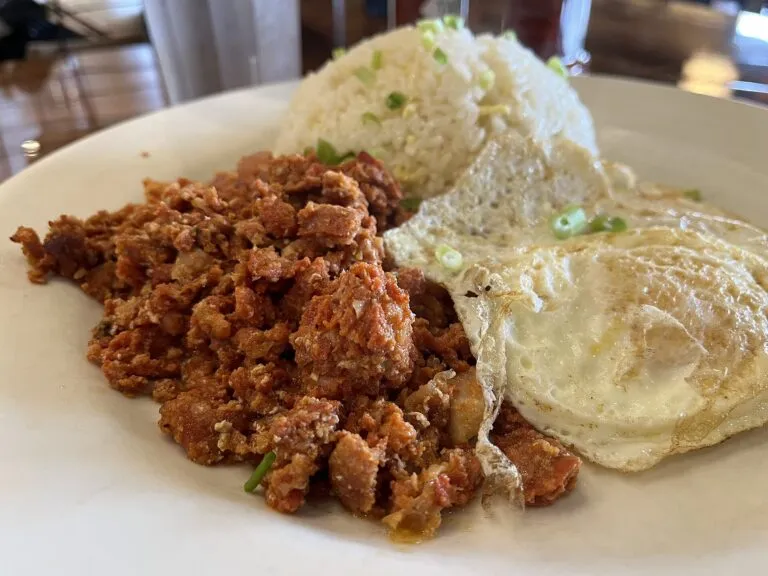
| Guam and Micronesia | Chamorro red rice, kelaguen, barbecue |
Our Guides
- Australian bush tucker: native foods and Indigenous-led tours.
- Oysters in Tasmania: a coastal food trail.
- Chamorro food in Guam: red rice, kelaguen and more.
- Browse our Australia guides.
Indigenous Food Traditions
Aboriginal and Torres Strait Islander peoples have used native plants and animals for tens of thousands of years, and ingredients such as wattleseed, finger lime, lemon myrtle and Davidson plum now appear in restaurants. In New Zealand, Māori hāngī cooking uses heated stones in an earth oven. Indigenous-led tours are the best way to learn about these foods with context.
Halal Food in Oceania
Australia and New Zealand have established halal certification, and halal food is easy to find in Sydney, Melbourne, Brisbane, Perth and Auckland, especially in suburbs with large Lebanese, Turkish, Pakistani, Malaysian and Indonesian communities. Fiji has a significant Indo-Fijian Muslim community. On smaller Pacific islands, fish and vegetable dishes are the easiest choices.
Halal note: pork features in many Pacific Island feasts and earth-oven cooking, and meat pies and sausage rolls may contain pork. Ask, and see our halal food travel guide.
Practical Tips
- Strict biosecurity: Australia and New Zealand restrict bringing in food; declare everything on arrival.
- Tipping is optional in Australia and New Zealand; see our tipping guide.
- Eating out is expensive; markets and food courts help. Plan with our food budget calculator.
Dishes to Try
| Dish | Where |
|---|---|
| Oysters, barramundi and prawns | Australia’s coasts, including Tasmania |
| Meat pie | Australia and New Zealand |
| Lamingtons and pavlova | Australia and New Zealand |
| Flat white | Australian and New Zealand café culture |
| Hāngī | Māori feasts in New Zealand |
| Kokoda and ika mata | Raw fish in coconut and lime, in Fiji and the Cook Islands |
| Chamorro red rice and kelaguen | Guam |
| Lovo and umu | Earth-oven feasts in Fiji and Samoa |
Best Food Cities
- Melbourne: café culture, laneway restaurants and some of the best Asian, Greek and Middle Eastern food in Australia.
- Sydney: seafood, beaches, and halal-rich suburbs such as Lakemba, Auburn and Bankstown.
- Hobart: Tasmanian seafood, produce and markets.
- Auckland: Pacific and Asian food, plus halal options in several suburbs.
When to Go
Seasons are the reverse of the Northern Hemisphere: summer runs from December to February. Spring and autumn are pleasant for food trips in most of Australia and New Zealand. Tropical Pacific islands have a wet season from about November to April.
Native Ingredients to Look For
| Ingredient | What it is |
|---|---|
| Finger lime | A small citrus filled with tangy “caviar” pearls |
| Lemon myrtle | A leaf with a strong lemon scent, used in tea, desserts and seasoning |
| Wattleseed | Roasted acacia seeds with a coffee and chocolate flavour |
| Davidson plum | A sour rainforest plum used in jams and sauces |
| Macadamia | A native Australian nut, now grown worldwide |
| Kūmara | Māori sweet potato in New Zealand, often cooked in a hāngī |
Pacific Island Food
Across Fiji, Samoa, Tonga and the Cook Islands, meals are built on fish, coconut, taro, breadfruit, cassava and greens. Feasts are cooked in earth ovens called lovo in Fiji and umu in Samoa and Tonga. Raw fish marinated in lime and coconut milk is a regional favourite: kokoda in Fiji and ika mata in the Cook Islands. Fiji’s Indo-Fijian community adds curries, roti and sweets.
Halal-Friendly Areas
Sydney’s Lakemba, Auburn and Bankstown, Melbourne’s Coburg, Brunswick and Dandenong, Brisbane’s south side and Auckland’s Mount Roskill and Papatoetoe have many halal restaurants and butchers. Halal certification is common, and many chains display certificates.
Eating Out in Australia and New Zealand
Café culture is strong in both countries, and breakfast is a highlight: smashed avocado on toast, eggs, and very good coffee such as the flat white. Lunch is often casual, and dinner is usually eaten earlier than in southern Europe, from about 6 to 8 pm. Many restaurants are “BYO” (bring your own), letting diners bring drinks.
Australia’s multicultural cities offer excellent Lebanese, Turkish, Vietnamese, Chinese, Indian, Malaysian and Indonesian food, much of it in suburbs away from the city centre. Food courts in shopping centres are a cheap, reliable option, and many have halal stalls.
For something uniquely local, look for Indigenous-led tours and restaurants that use native ingredients, and visit producers in regions such as Tasmania, the Barossa and Margaret River for seafood, cheese and fruit.
Whether you are eating oysters in Tasmania, a hāngī in Rotorua or kokoda in Fiji, the region rewards travellers who try local, seasonal food and learn the stories behind it. Indigenous-led tours, producer visits and multicultural suburbs are where the most memorable meals usually are.
Frequently Asked Questions
What are the most popular foods in Australia?
Meat pies, seafood, barbecue, Vegemite on toast, lamingtons, pavlova and a wide range of Asian dishes.
What are the must-try foods in Australia?
Fresh seafood such as oysters and barramundi, a meat pie, Tim Tams, lamingtons and dishes with native ingredients such as finger lime and wattleseed.
Is halal food easy to find in Australia?
Yes in major cities, especially Sydney and Melbourne, which have many certified restaurants and butchers.
What is bush tucker?
Native Australian foods, such as plants, seeds, fruits and animals, traditionally used by Aboriginal and Torres Strait Islander peoples.
Can I bring food into Australia?
Many foods are restricted. Declare all food on arrival; undeclared items can lead to fines.
What is a hāngī?
A Māori method of cooking food in an earth oven with heated stones, used for feasts in New Zealand.
Do you tip in Australia?
It is not expected, though rounding up or leaving about 10% for very good service is appreciated.
What do Pacific Islanders eat?
Fish, coconut, taro, breadfruit, cassava and root crops, often cooked in earth ovens for feasts.
What is New Zealand’s national dish?
There is no single national dish, but roast lamb, hāngī, fish and chips, meat pies and pavlova are often named.
What is kokoda?
A Fijian dish of raw fish marinated in lime juice and coconut milk with chilli and vegetables.
Is food expensive in Australia?
Eating out is expensive compared with Asia, but food courts, markets and Asian eateries offer good value.
Can I eat kangaroo in Australia?
Kangaroo meat is sold in supermarkets and restaurants. It is lean and gamey, but it is not halal-slaughtered unless certified.
What is a sausage sizzle?
An Australian community barbecue of sausages in bread with onions and sauce, often held outside hardware shops and at fundraisers. Sausages are usually beef or pork.
What is Vegemite?
A salty, savoury yeast-extract spread eaten on toast. Spread it thinly with butter if you are trying it for the first time.
What should I eat in Fiji?
Kokoda, fish cooked in coconut milk, lovo feasts, cassava and taro, and Indo-Fijian curries and roti.