
How Latin America and the Caribbean Eat
From Mexico to Patagonia and across the Caribbean islands, the region’s food grew from Indigenous ingredients such as corn, potatoes, beans, chillies, cacao and cassava, mixed with Spanish, Portuguese, African and Asian traditions. Each country has its own national dishes, and many share a love of grilled meat, street snacks and sweets.
| Region | What defines the food | Start with |
|---|---|---|
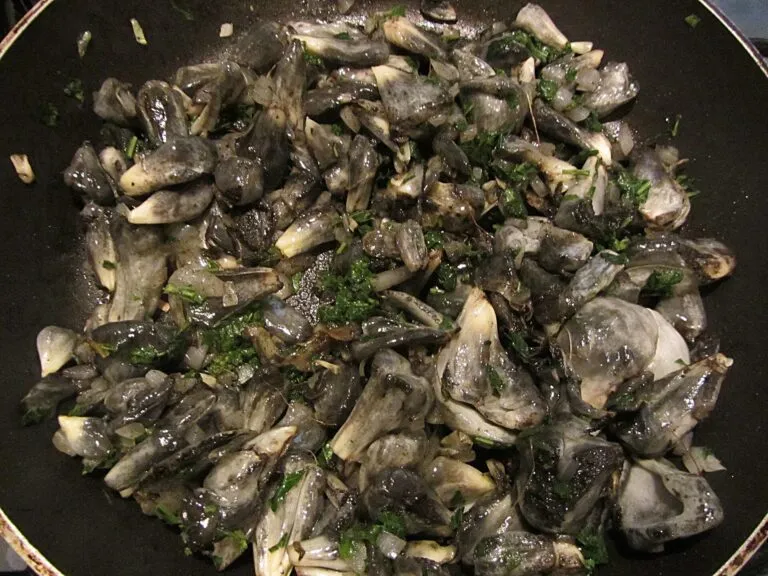
| Mexico and Central America | Corn tortillas, chillies, beans, moles, cacao | Oaxaca’s chapulines, huitlacoche, Costa Rica chocolate tours |
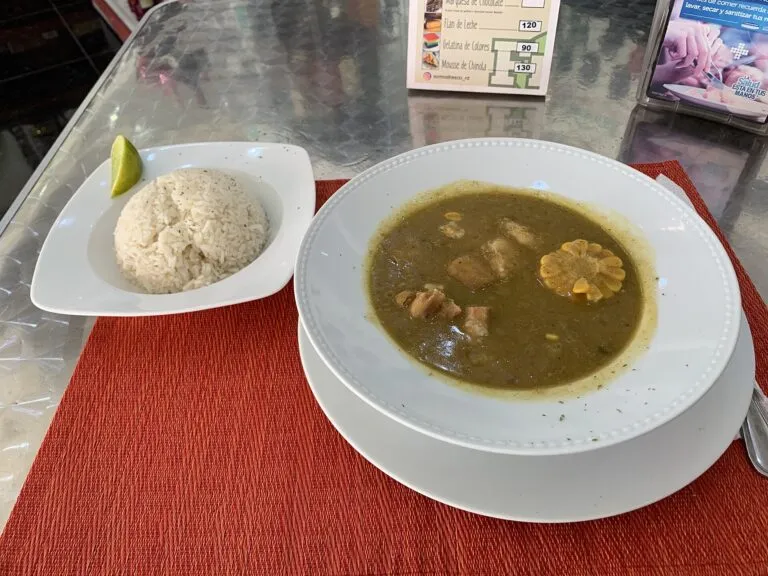
| The Caribbean | Rice and peas, seafood, curries, jerk, island national dishes | Caribbean food guide, jerk, doubles, sancocho |
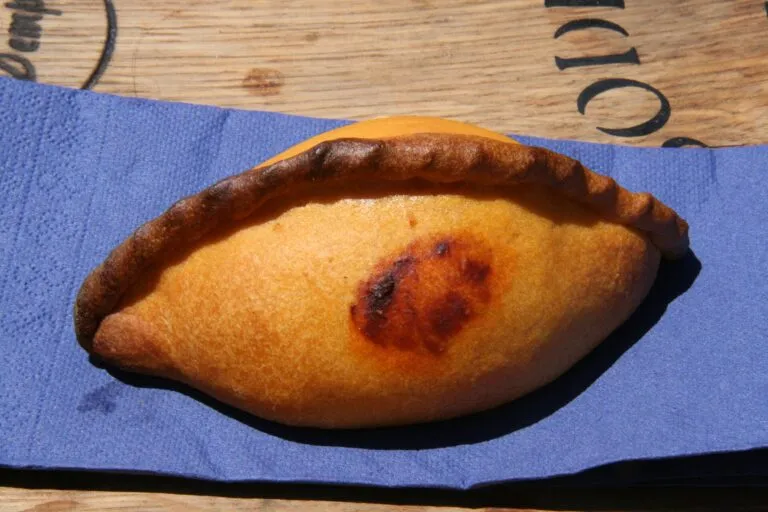
| The Andes | Potatoes, quinoa, corn, ceviche on the coast | Ceviche in Lima, quinoa, salteñas, food on Andean treks |
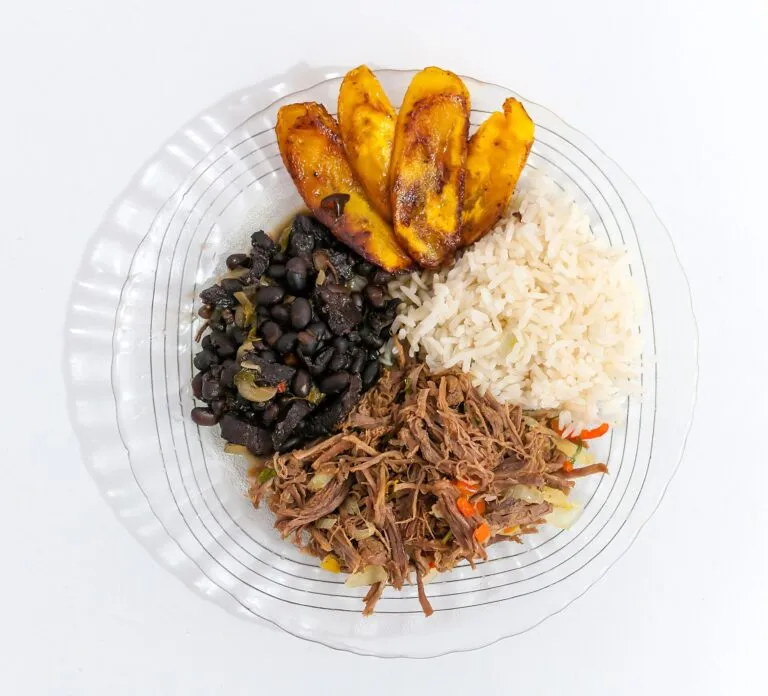
| Northern South America | Arepas, plantain, hearty platters | Arepa and pabellón, arepas in Bogotá, bandeja paisa |
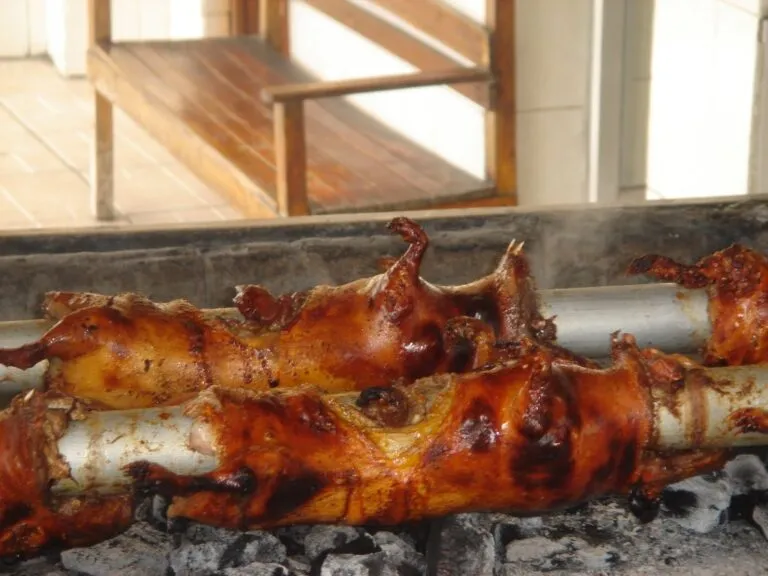
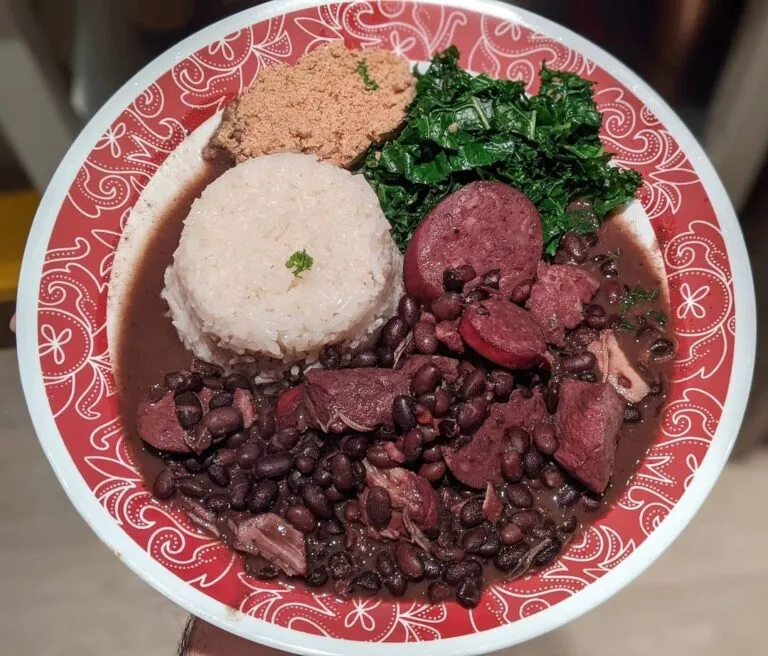
| Brazil and the Amazon | Beans, cassava, grilled meat, tropical fruit | Churrasco, feijoada, Amazonian food, chimarrão |
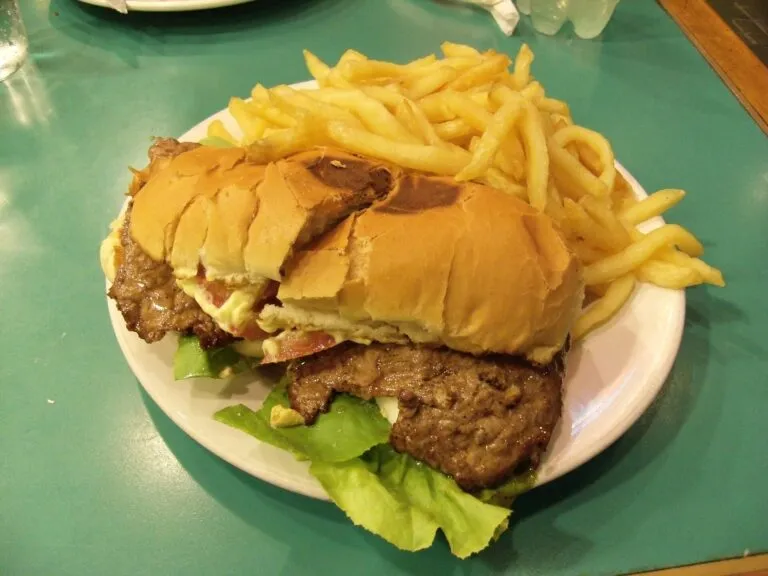
| The Southern Cone | Asado, empanadas, dulce de leche | Asado, empanadas, alfajores, chivito |
Our Country Guides
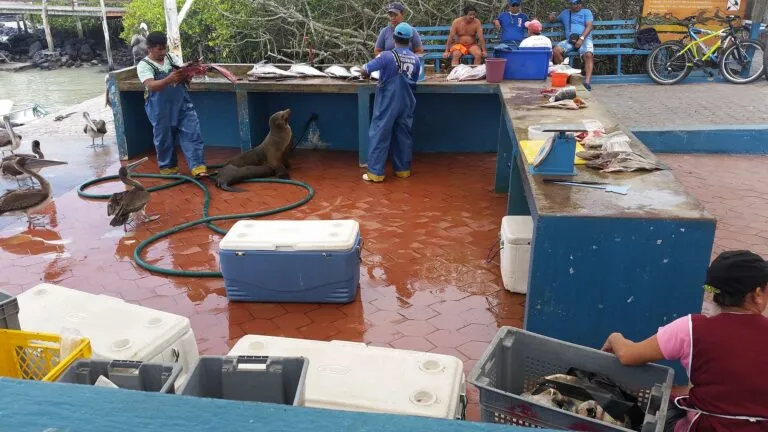
Browse Brazil and Mexico, plus guides to Peru, Argentina, Chile, Bolivia, Colombia, Venezuela, Uruguay, Costa Rica, Ecuador’s Galápagos and the Caribbean islands above.
Street Food and Sweets
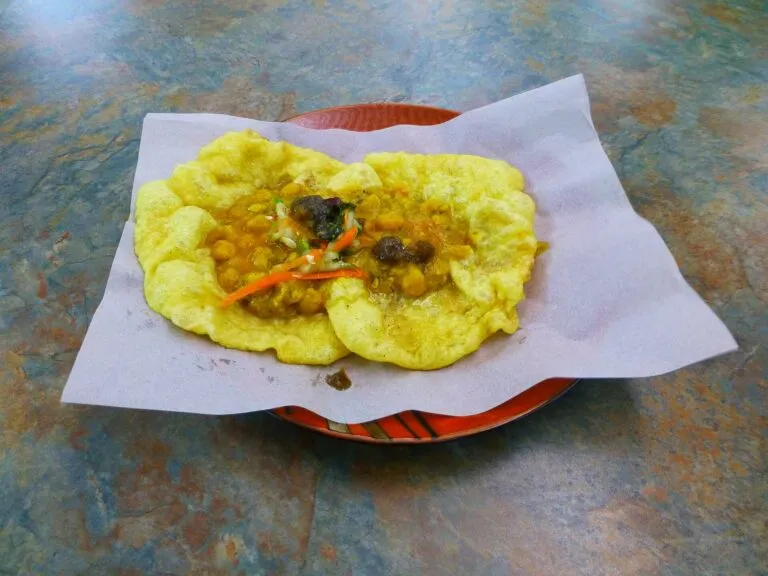
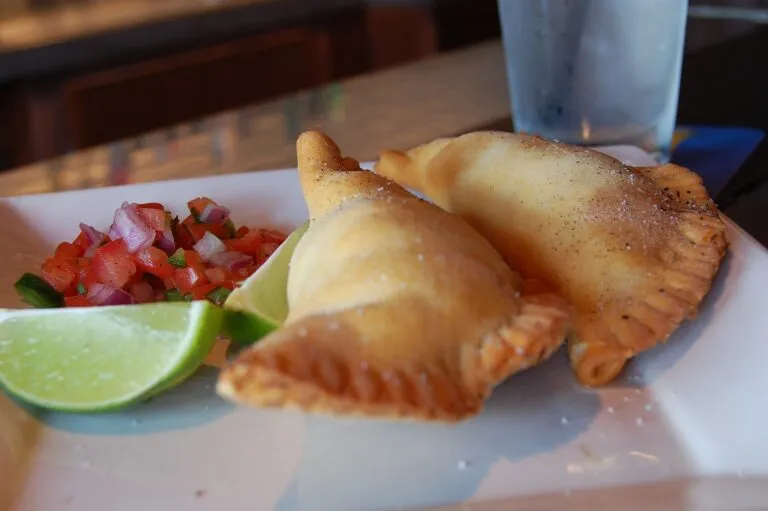
Some of the region’s best eating is on the street: empanadas from Argentina to Colombia, arepas, salteñas in Bolivia, Trinidad’s doubles, and churros everywhere. Sweets are serious business too: dulce de leche, alfajores, Brazil’s brigadeiros and Costa Rican chocolate.
Halal Food in Latin America and the Caribbean
Halal food is less common here than in most regions. It is easiest in Trinidad and Tobago, Guyana and Suriname, which have large Muslim communities, and in cities with Arab communities such as São Paulo, Foz do Iguaçu, Buenos Aires and Santiago. Elsewhere, plan around seafood, beans and vegetables.
Halal note: pork is common in Latin American and Caribbean cooking, from chorizo and chicharrón to lard in pastries, beans and tamales, and some sauces use wine or rum. Ask about manteca (lard) and cerdo (pork). Our halal food travel guide lists the Spanish and Portuguese words to know.
Practical Tips
- Lunch is the main meal in many countries, with good-value set menus (menú del día, almuerzo, prato feito).
- Drink bottled water in most of the region.
- Check tipping: many restaurants add a 10% service charge. See our tipping guide.
- Plan your costs with our food budget calculator.
Dishes to Try by Country
| Country | Dishes |
|---|---|
| Mexico | Tacos, mole, tamales, chilaquiles, pozole, chapulines |
| Peru | Ceviche, lomo saltado, ají de gallina, causa, anticuchos |
| Brazil | Feijoada, churrasco, pão de queijo, moqueca, açaí |
| Argentina and Uruguay | Asado, empanadas, milanesa, dulce de leche, alfajores, chivito |
| Colombia and Venezuela | Arepas, bandeja paisa, ajiaco, pabellón criollo, cachapas |
| Chile and Bolivia | Pastel de choclo, empanadas de pino, salteñas, humitas |
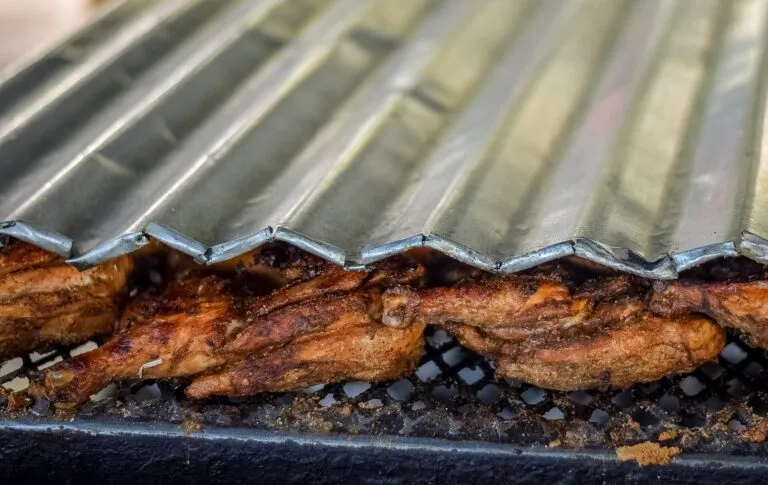
| The Caribbean | Jerk, doubles, roti, conch salad, cou-cou and flying fish, sancocho |
Best Food Cities
- Lima: ceviche, Nikkei and Chifa cooking, and some of the region’s most celebrated restaurants.
- Mexico City and Oaxaca: street tacos, markets, moles and insects.
- Buenos Aires: parrillas, empanadas and café culture.
- São Paulo and Salvador: Brazil’s immigrant food scene and Afro-Brazilian Bahian cooking.
- Bogotá and Medellín: arepas, ajiaco and markets full of tropical fruit.
- Port of Spain: doubles, roti and halal-friendly street food.
Drinks to Try
Fresh juices (jugos) made from tropical fruit, horchata in Mexico, chicha morada (purple corn) in Peru, mate and chimarrão in the south, Brazilian guaraná and coconut water on every beach.
Meal Times and Customs
- Breakfast is often light: coffee and bread, empanadas, arepas or tropical fruit.
- Lunch is usually the main meal, between about 1 and 3 pm, with set menus at good prices.
- Dinner is late in Argentina, Uruguay and Chile, often after 9 pm, and earlier in Mexico, Central America and the Caribbean.
- Merienda or onces, an afternoon snack with tea, coffee or mate and pastries, is common in the Southern Cone.
- Sharing: asados, rodízios and Caribbean feasts are social, long meals.
What a Food Trip Costs
| Destination | Street food or set lunch | Sit-down dinner |
|---|---|---|
| Mexico, Peru, Colombia, Bolivia | About USD 2–7 | About USD 10–25 |
| Brazil, Argentina, Chile | About USD 5–12 | About USD 15–40 |
| Uruguay, Costa Rica, the Bahamas | About USD 8–15 | About USD 20–50 |
Halal-Friendly Places
Trinidad and Tobago has many halal roti and doubles vendors; Guyana and Suriname have large Muslim communities; São Paulo and Foz do Iguaçu in Brazil have long-established Arab communities with halal butchers and Lebanese restaurants; Buenos Aires and Santiago have mosques and some halal restaurants; and Mexico City and Lima have a few certified options. Elsewhere, choose seafood, beans, rice and vegetarian dishes.
Markets Worth Visiting
Markets are the best introduction to the region’s ingredients and the cheapest place to eat. Mexico City’s Mercado de San Juan and La Merced, Oaxaca’s Mercado 20 de Noviembre, Lima’s Surquillo market, Cusco’s San Pedro, Bogotá’s Paloquemao, São Paulo’s Mercado Municipal and Santiago’s Mercado Central are all worth a morning. Arrive early, follow the busiest food counters, and try a fresh juice made from fruit you have never seen before.
Many markets have comedores or food halls where locals eat set lunches. They are usually clean, fast and excellent value, and a good way to taste home cooking.
Frequently Asked Questions
Which country in Latin America has the best food?
Peru and Mexico are most often named, with Brazil, Argentina and Colombia close behind. Each excels at different things.
What are the top Latin American foods to try?
Ceviche, tacos, empanadas, arepas, feijoada, asado, salteñas, pastel de choclo, alfajores and churros are among the best known.
What is the most popular food in Latin America?
Corn in many forms, such as tortillas, arepas and tamales, plus rice and beans, which are eaten almost everywhere.
Is it easy to find halal food in Latin America?
Not usually, except in Trinidad, Guyana, Suriname and cities with Arab communities. Seafood and vegetarian dishes are reliable alternatives.
Is street food safe in Latin America?
Generally yes at busy stalls with hot, freshly cooked food. Avoid tap water and be careful with raw salads.
What is the difference between Latin American and Caribbean food?
They overlap, but Caribbean food leans more on seafood, rice and peas, curries and island spices, with strong African and Indian influences.
Is Latin American food spicy?
Mexican and some Caribbean and Andean food can be spicy; much South American food is mild, with chilli sauces served on the side.
When is the best time for a food trip to South America?
It depends on the region; spring and autumn are pleasant in the Southern Cone, while the dry season suits the Andes and Amazon.
What should I eat in Mexico?
Tacos al pastor and de canasta, mole, tamales, chilaquiles, pozole and regional dishes such as Oaxaca’s tlayudas. Ask about pork, which is common.
What should I eat in Peru?
Ceviche, lomo saltado, ají de gallina, causa, anticuchos and Chinese-Peruvian chifa.
What is the best Caribbean island for food?
Trinidad, Jamaica, Puerto Rico and Barbados are often named. Trinidad is especially good for halal-conscious and vegetarian travellers.
Is it safe to drink tap water in Latin America?
In most countries it is better to drink bottled or filtered water. Some cities, such as Santiago, Buenos Aires and Montevideo, have treated water, but many travellers still prefer bottled.