At 5.30 in the morning, before the sun reaches the valley, a voice outside your tent calls “Buenos días!” and a hand passes in a steaming mug of coca tea. An hour later you are eating pancakes and porridge in a dining tent at 3,600 metres, and the cooks are already packing up to race ahead and have lunch ready.
Food on an Andean trek is far better than most people expect. On organised treks such as the Inca Trail, Salkantay and Lares in Peru, a team of cooks and porters prepares three hot meals a day, plus an afternoon tea, from fresh local ingredients: soups, quinoa, potatoes, trout, chicken, vegetables, fruit and even cake. Dietary needs can usually be met if you ask in advance.
This guide explains what you will eat on each type of trek, how altitude affects appetite, how to handle vegetarian, gluten-free and halal requests, what snacks to bring, water safety, where to eat before and after the trek, and tipping the kitchen crew.
A Typical Day of Meals on the Inca Trail
| Time | What you usually get |
|---|---|
| Wake-up (5–6 am) | Coca tea or coffee delivered to your tent |
| Breakfast | Porridge, pancakes, eggs, bread, fruit, tea, coffee or hot chocolate |
| Trail snack | A small bag of fruit, biscuits, chocolate or granola from the cooks |
| Lunch | Soup, then a main such as chicken, trout or a vegetable dish with rice, potatoes or quinoa, and salad |
| Afternoon tea | Tea, hot chocolate or Milo with popcorn, biscuits or crackers |
| Dinner | Soup, a main course, vegetables and a dessert such as fruit, pudding or pancakes |
Menus change daily with what the cooks have brought from Cusco. Many groups get a surprise on the final evening, such as a cake baked over a gas burner, which trekkers on forums still talk about years later.
What Andean Trek Food Is Like
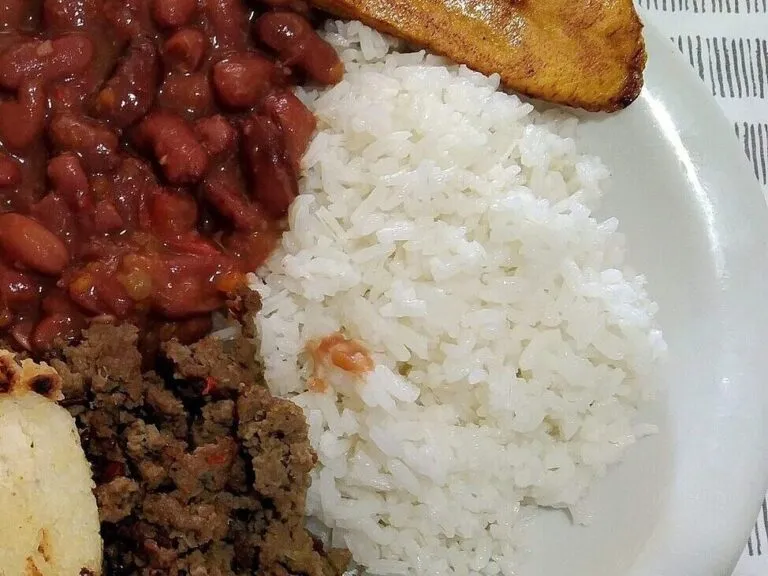
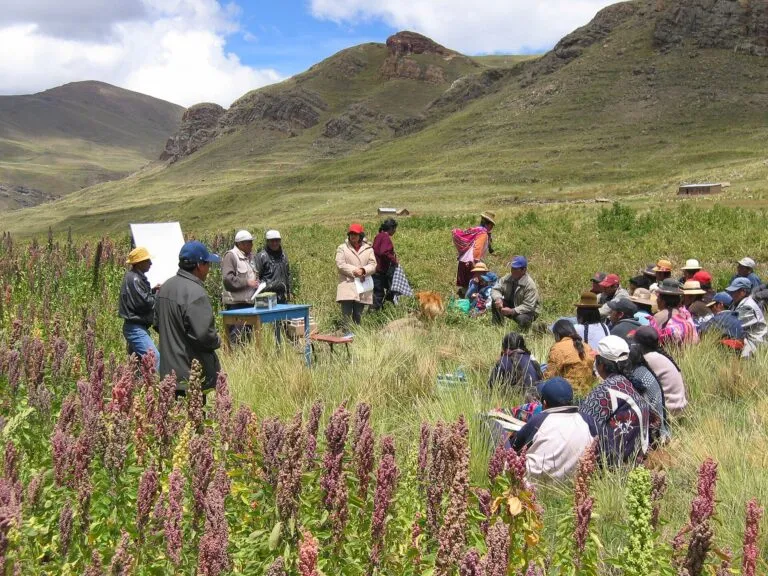
Expect hearty, filling food built around Andean ingredients: potatoes in many varieties, corn, quinoa, rice, beans, trout, chicken, eggs, fresh vegetables and fruit. Soup comes with almost every meal, because it warms you up and helps with hydration at altitude.
Some treks include a pachamanca lunch, a traditional feast of meat, potatoes and broad beans cooked underground with hot stones and herbs. Dishes you may meet include lomo saltado (stir-fried beef with onions and tomatoes), sopa de quinua, fried trout and causa (layered potato).
Inca Trail vs Salkantay vs Lares: How the Food Differs
| Trek | Food arrangement |
|---|---|
| Classic Inca Trail (4 days) | Full camping service: cooks and porters carry everything and serve meals in a dining tent |
| Salkantay (4–5 days) | Usually camping or lodges with cooks; some villages have small shops for snacks and drinks |
| Lares (3–4 days) | Camping or community homestays; simpler, more home-style food in villages |
| Short Inca Trail (1–2 days) | Packed lunch, then restaurant meals in Aguas Calientes |
| Independent trekking (Salkantay, Ausangate) | Bring your own food or buy simple meals in villages where available |
Independent trekkers on Salkantay report that you can buy snacks, drinks and simple meals in some villages along the route, but choice is limited higher up, so carry enough food for the high sections.
Altitude and Appetite
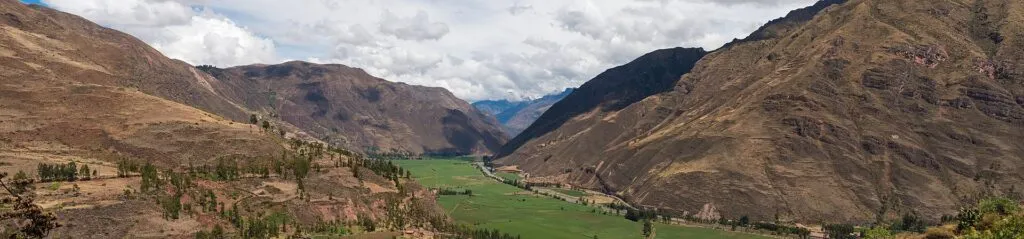
Most Andean treks start above 2,500 metres and cross passes above 4,000 metres. Altitude often reduces appetite and can upset digestion, so eating well takes some effort.
- Eat little and often, even if you are not hungry. Carbohydrates are easiest to digest and give quick energy.
- Drink plenty of water, typically 3–4 litres a day, plus soups and tea.
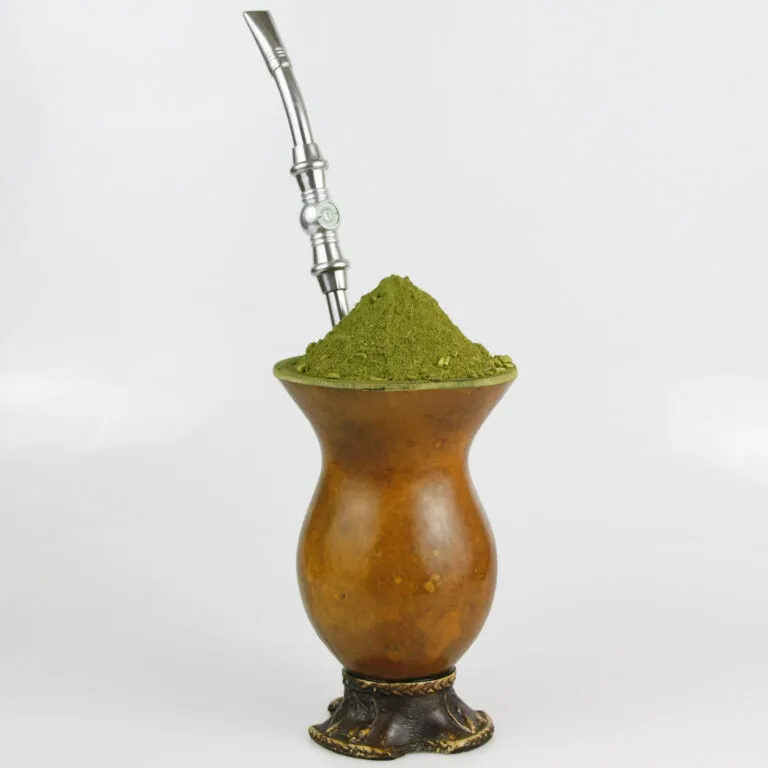
- Try coca tea (mate de coca), which locals drink for altitude. It is legal in Peru and Bolivia but can show up in drug tests, so avoid it if that matters to you, and do not take coca leaves home.
- Avoid alcohol and heavy meals on the first days at altitude.
- Acclimatise in Cusco for two or three days before the trek, and talk to a doctor before travelling about altitude sickness and medication.
Vegetarian, Vegan, Gluten-Free and Halal Requests
Good trekking companies cater for special diets as long as you tell them in advance, in writing, when you book.
- Vegetarian and vegan: easy and common. Expect vegetable soups, quinoa, beans, rice, potatoes, vegetable stir-fries and fruit.
- Gluten-free: possible with notice. One coeliac hiker shared a full Inca Trail menu on Reddit that included eggs, fruit and gluten-free bread at breakfast, plantain chips as snacks, and pumpkin soup with trout, rice and corn at lunch.
- Allergies: give the company a written list and remind the cook on day one.
- Halal: see the note below.
Halal note: chicken and beef on Andean treks are not halal-slaughtered, and halal meat is very rare in Cusco. The simplest approach is to book a vegetarian or pescatarian menu, which gives you trout, eggs, quinoa, potatoes, vegetables and soups made without meat stock. Ask the company to confirm in writing that soups use vegetable stock and that no wine or pork is used, and remind the cook on the first day. Peru’s Muslim community is small and centred on Lima, which has a few halal restaurants; Cusco has very few options. See our halal food travel guide.
Snacks to Bring
Cooks provide snacks, but most trekkers bring a few favourites. Buy them in Cusco, at supermarkets or San Pedro market, rather than carrying them from home.
- Chocolate and energy bars
- Dried fruit and nuts, including local roasted corn (cancha) and dried bananas
- Coca sweets or coca chewing gum, if you want them
- Electrolyte sachets for your water
- Quinoa or amaranth bars made in Peru
Peru restricts single-use plastics at Machu Picchu, so pack snacks in reusable containers and carry all rubbish out.
Water Safety on the Trail
- On organised treks, cooks boil water and refill your bottles each morning and evening.
- Bring a reusable bottle or two, about 2–3 litres in total.
- Carry purification tablets or a filter as backup, especially on independent treks.
- Never drink untreated water from streams, however clean it looks.
Eating Before and After the Trek
- Cusco: plenty of choice, from markets serving soup and fresh juice to restaurants for trout, quinoa and Peruvian classics. Read our guide to quinoa in the Andes.
- Ollantaytambo: the usual start point for the Inca Trail, with cafés and small restaurants for a last proper meal.
- Aguas Calientes: the town below Machu Picchu, full of restaurants but generally expensive. Many trekkers simply want something hot and simple after the hike.
- Lima: if you pass through, it is one of the great food cities of the world. Don’t miss ceviche in Lima.
Treks Beyond Peru
- Bolivia (Cordillera Real, Huayna Potosí): guided treks from La Paz include simple camp meals; stock up on snacks and try a salteña before you leave the city.
- Ecuador (Quilotoa Loop, Cotopaxi): hostels along the Quilotoa Loop serve home-cooked dinners and breakfasts, often hearty soups such as locro de papa (potato and cheese soup).
- Patagonia (Torres del Paine, Fitz Roy): not high altitude, but refugios sell meals and many trekkers carry their own food.
Tipping the Kitchen Crew
Cooks and porters work extremely hard, carrying heavy loads and cooking at altitude in difficult conditions. Tipping at the end of the trek is customary and an important part of their income. Most companies give a suggested range per person for the cook, assistant cooks and porters; groups usually pool the tips and hand them over at a small farewell gathering. Tip in Peruvian soles, in small notes.
For general tipping customs in Peru, see our tipping guide for Peru.
What Food Costs Around the Treks in 2026
| Item | Typical price |
|---|---|
| Market lunch (soup and main) in Cusco | About PEN 8–15 |
| Trout or lomo saltado at a Cusco restaurant | About PEN 35–60 |
| Main course in Aguas Calientes | About PEN 40–80 |
| Bottle of water on the Salkantay route | Higher the further you climb, often PEN 5–10 |
| Snacks bought in a Cusco supermarket | About PEN 30–60 for a trek’s worth |
Plan your budget with our food budget calculator for Peru.
Frequently Asked Questions
Is the food on the Inca Trail good?
Yes, with reputable companies it is usually excellent: three hot meals a day plus afternoon tea, freshly cooked by a dedicated team. Many trekkers say it was one of the highlights of the trip.
Do I need to bring my own food on the Inca Trail?
No. All meals are included on organised Inca Trail treks, which are the only way to hike the classic trail. Bring a few personal snacks if you like.
Can vegetarians and vegans do the Inca Trail?
Yes. Tell your company when you book, and you will get vegetarian or vegan versions of every meal.
Can I do the Inca Trail gluten-free?
Yes, with advance notice. Coeliac trekkers report menus with gluten-free bread, rice, potatoes, quinoa, eggs and trout. Confirm cross-contamination precautions with the company.
Can I get halal food on the Inca Trail?
Halal meat is very unlikely to be available. Most Muslim trekkers book a vegetarian or pescatarian menu and ask for vegetable stock and no wine or pork.
What is coca tea and is it legal?
Coca tea is an infusion of coca leaves, traditionally used in the Andes for altitude. It is legal in Peru and Bolivia, but it is illegal to carry coca leaves into most other countries, and it can cause a positive drug test.
How much water should I drink on an Andean trek?
Around 3–4 litres a day, more on hot or long days. Soups and tea count towards your total.
Does altitude affect appetite?
Often, yes. Many people feel less hungry above 3,000 metres. Eat small, frequent, carbohydrate-rich meals and keep drinking.
What snacks should I take on the Salkantay Trek?
Chocolate, energy bars, dried fruit, nuts, electrolyte sachets and something salty. Buy them in Cusco before you leave.
Is the water safe on the Inca Trail?
Water provided by your trekking company is boiled and safe. Do not drink untreated stream water; carry purification tablets or a filter as backup.
How much should I tip the cook and porters?
Follow your company’s suggested range, which is usually given per person for the cook, assistant cooks and porters. Pool the tips as a group and pay in soles.
Can I drink alcohol on the trek?
It is best avoided at altitude, because it worsens dehydration and altitude symptoms. Many companies do not serve it on the trail.
What was the main food of the Incas?
Potatoes, corn and quinoa were the staples, with beans, squash, chillies and dried llama or alpaca meat. Freeze-dried potato, chuño, allowed food to be stored for years.
Is the Inca Trail harder than Kilimanjaro?
Kilimanjaro reaches a much higher altitude (5,895 metres) and is generally considered harder. The Inca Trail’s highest pass is about 4,215 metres, but its steep stone steps are tough on the legs.
More from South America: Amazonian food, alfajores and all Latin America and Caribbean food guides.
Sources
- Food on the Inca Trail trek, Ian Taylor Trekking (sample menus)
- What you’ll eat on the Inca Trail, Earth’s Edge (coca tea, pachamanca)
- Meals along the Inca Trail, Inka Trail Expeditions (snack packs, dietary needs)