Food Experiences Worth Planning a Trip Around
Some of the best travel memories are not single meals but experiences: cooking with a local family, visiting a farm where your coffee or chocolate grows, joining a festival, or eating at a market at dawn. This section collects guides to these experiences, with advice on choosing well and getting real value.
Types of Food Experiences
| Experience | What you do | Examples on FoodsGuider |
|---|---|---|
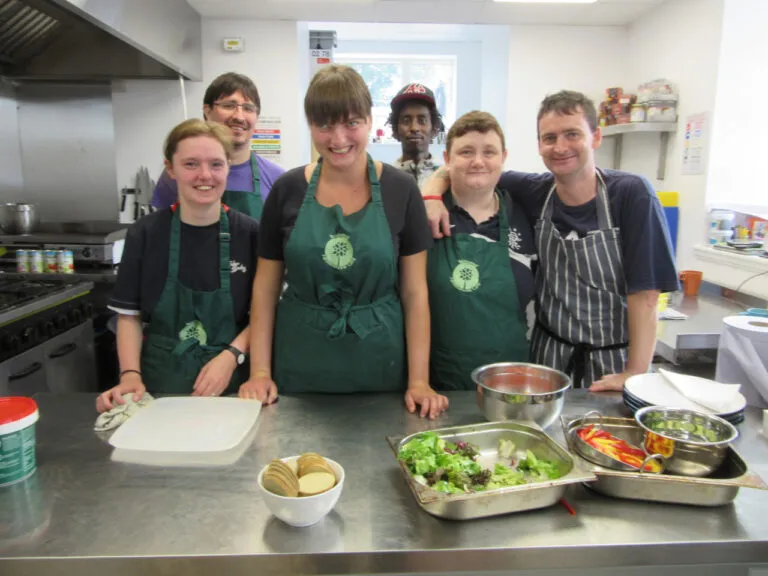
| Cooking classes | Shop at a market and cook local dishes with a local cook | Kimchi making in Seoul, bánh mì in Hoi An, choosing a cooking class |
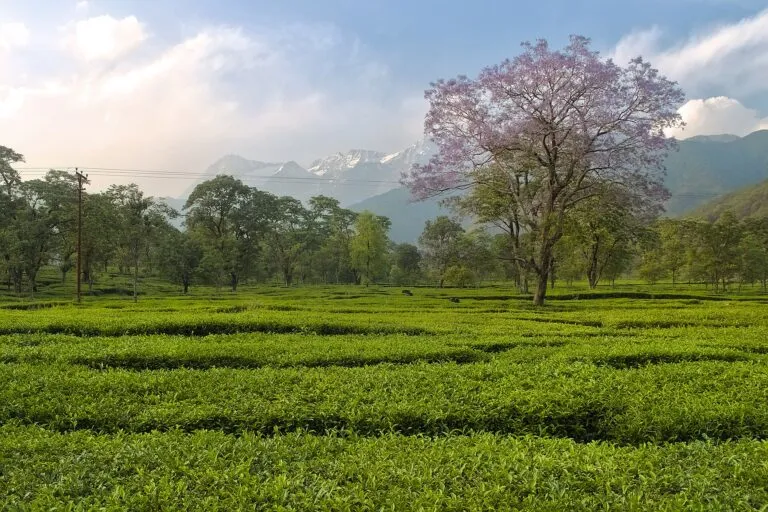
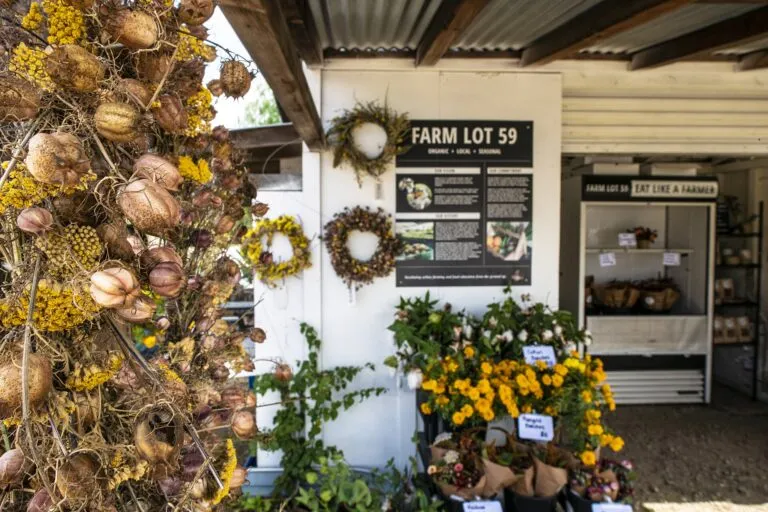
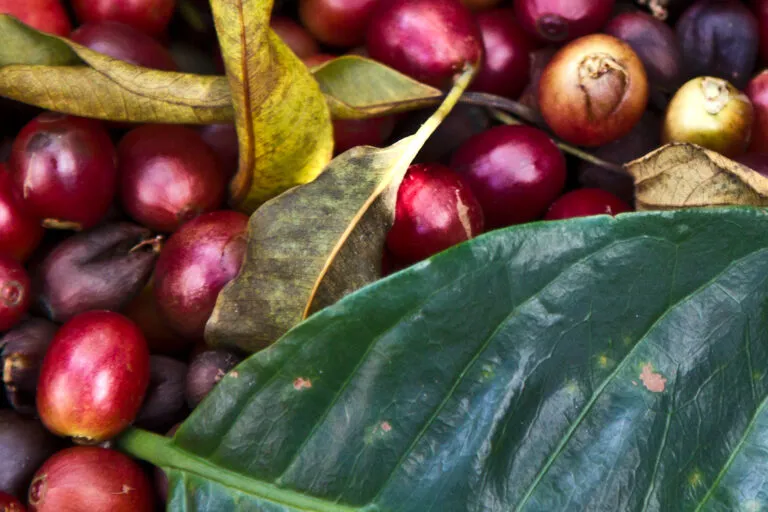
| Farm and producer visits | See how coffee, tea, chocolate, spices or cheese are made | Chocolate tours in Costa Rica, Zanzibar spice farms, an Assam tea estate |
| Food tours | Walk a neighbourhood with a guide, tasting as you go | Bangkok street food, Delhi chaat, women-led food tours |
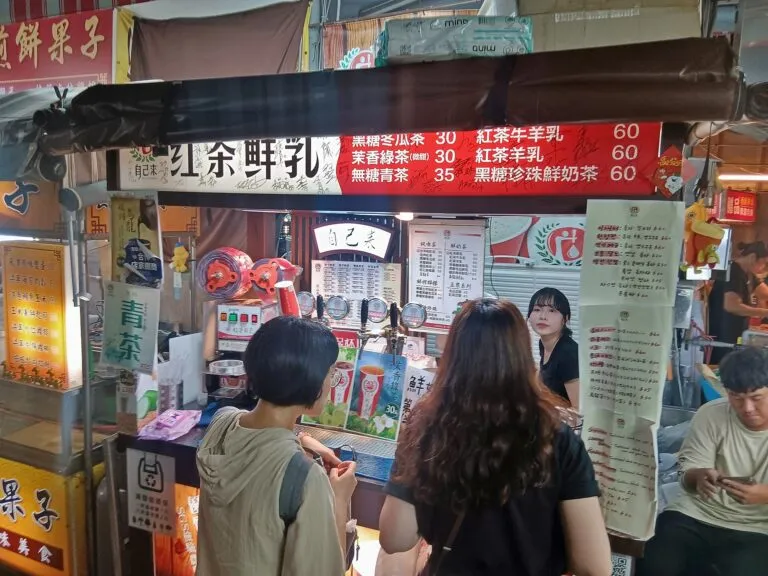
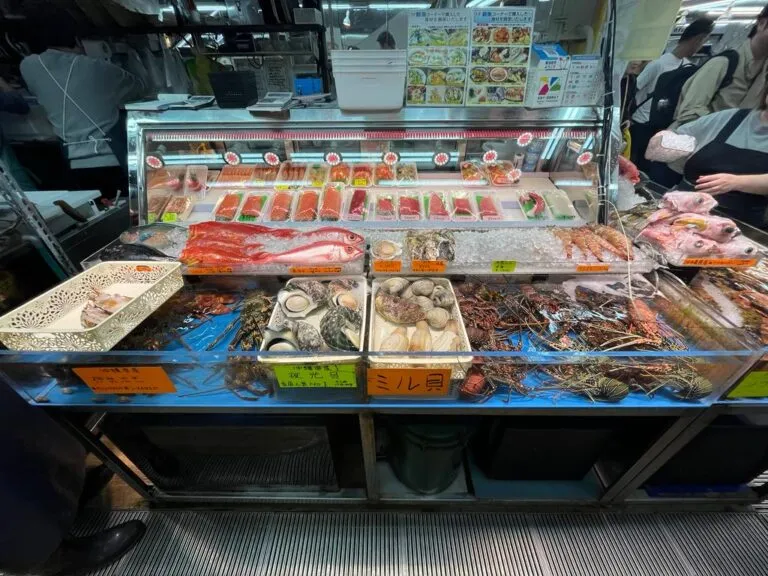
| Markets | Eat and shop where locals do | Great food markets, spice markets, Central Asian bazaars |
| Rituals and special meals | Join a traditional meal or ceremony | The Ethiopian coffee ceremony, kaiseki in Japan, a Sahara camp dinner |
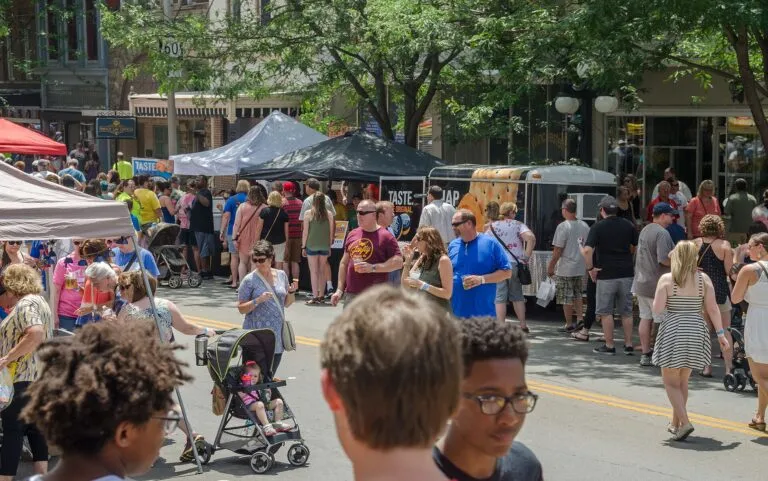
| Festivals | Plan a trip around a food festival or season | Cheese festivals, coffee festivals, chocolate festivals |
How to Choose a Good Food Experience
- Small groups mean more hands-on time and better conversation.
- Local hosts and family businesses keep more money in the community and usually teach more.
- Check what is included: market visit, ingredients, recipes, transport, a full meal.
- Read recent reviews for how hands-on the experience really is.
- Ask about dietary needs before booking; good hosts adapt menus in advance.
- Look for responsible operators that pay producers fairly and avoid wildlife or cultural exploitation, such as Indigenous-owned tours.
Halal and Dietary Needs
Halal note: cooking classes and food tours can usually adapt to halal, vegetarian and allergy needs if you ask in writing before booking. Ask what meat is used and where it comes from, and whether wine, beer or spirits are part of the tasting; you can usually skip those. Our halal food travel guide has phrases and tips.
Experiences by Interest
- For chocolate lovers: farm tours in Costa Rica, chocolate-making in Belgium and factory tours.
- For coffee and tea lovers: coffee farm visits, the Ethiopian coffee ceremony and tea estate tours.
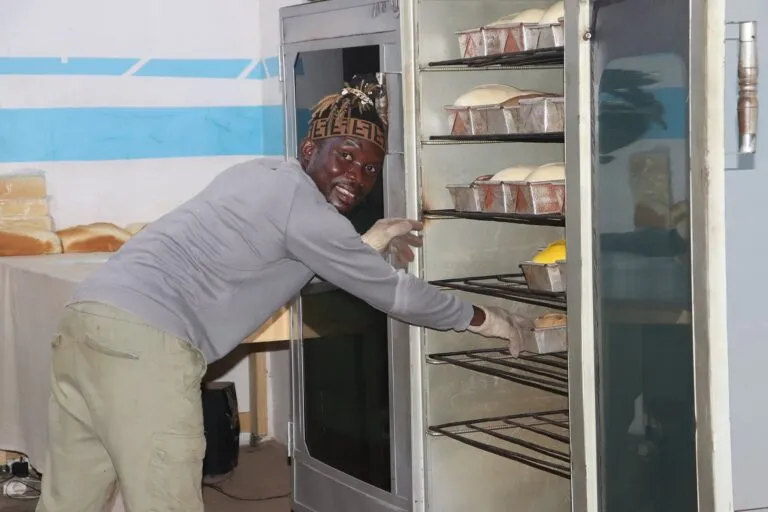
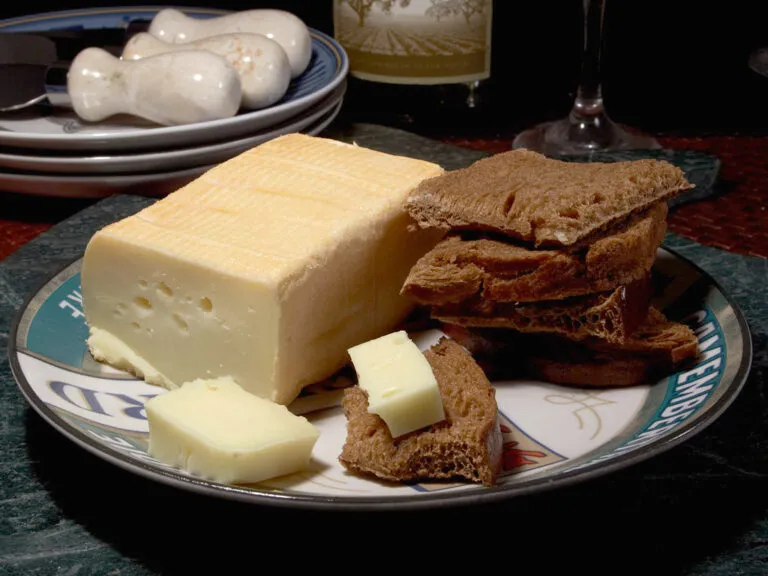
- For cooks: farm-stay cooking holidays, bread-baking retreats and cheese-making classes.
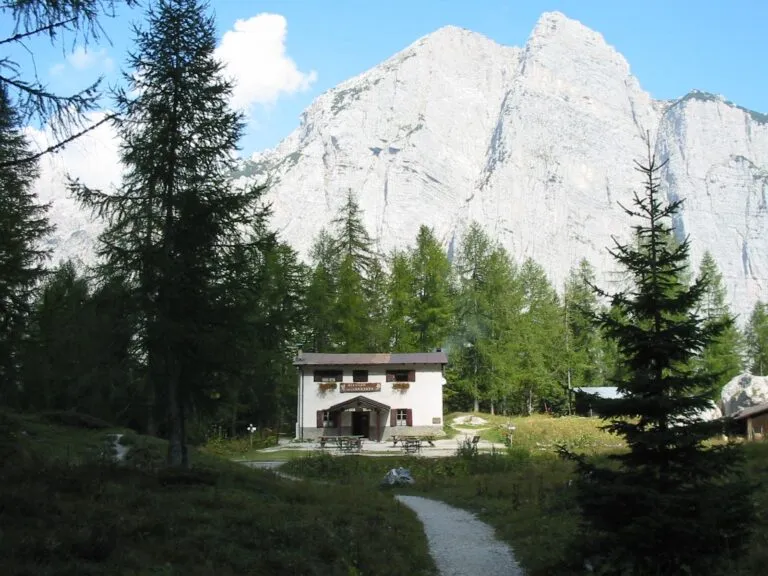
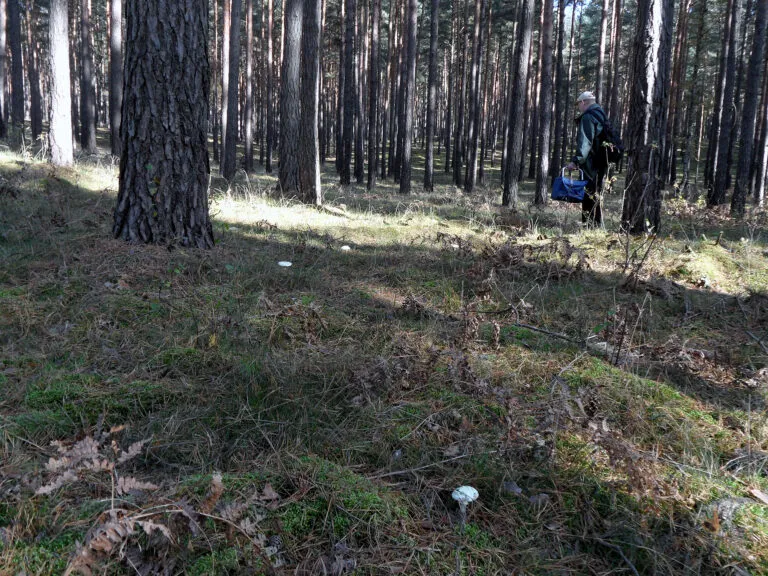
- For the outdoors: hiking trips with great food, foraging retreats and food on Andean treks.
- For couples: food trips for couples.
- For culture: Indigenous-owned food tours and women-led tours.
Planning Around Seasons
Many of the best experiences are seasonal: white truffles in Piedmont in autumn, chocolate and coffee harvests in the tropics, spring and autumn food festivals in Europe, Ramadan iftars in Muslim-majority cities, and harvest festivals almost everywhere. Check the season before you book, and plan your trip around the experience if it matters most to you.
What to Expect to Pay
| Experience | Typical price range |
|---|---|
| Street food walking tour | About USD 25–80 |
| Half-day cooking class | About USD 25–150, depending on the country |
| Farm or producer tour | About USD 20–70 |
| Multi-day cooking holiday or retreat | Several hundred to a few thousand dollars, including accommodation |
Plan the rest of your trip costs with our food budget calculator.
Questions to Ask Before You Book
- How many people are in the group?
- Who leads it, and are they from the area?
- What exactly will we cook, taste or see?
- Is a full meal included, or only tastings?
- Can you adapt to halal, vegetarian, vegan or allergy needs?
- Are alcoholic tastings included, and can I skip them?
- How long is it, and how much walking is involved?
- What is the cancellation policy?
Responsible Food Travel
The best food experiences benefit the people and places behind them. Choose tours that pay farmers, cooks and guides fairly, avoid experiences that exploit wildlife, such as civet coffee from caged animals or bushmeat, respect cultural and religious customs, and choose seasonal, sustainable seafood. Ask how the business supports its community; good operators are proud to explain.
Getting the Most From a Food Experience
- Arrive hungry; most tours and classes serve a lot of food.
- Ask questions about ingredients, history and family recipes; hosts love to share.
- Take notes or photos of recipes and ingredients so you can cook them at home.
- Buy from the producers you visit, which supports them directly.
- Tip your guide where it is customary; check our tipping guide.
- Leave a detailed review; small operators depend on them.
Combining one experience with free exploration often works best: a morning market tour or class early in your trip teaches you what to look for, and the rest of the trip becomes easier and more rewarding.
Whatever you choose, the best food experiences leave you with more than a meal: a recipe to cook at home, a better understanding of a place, and a connection with the people who grow and cook its food.
Frequently Asked Questions
What is a food experience when travelling?
An activity built around food, such as a cooking class, farm visit, food tour, market visit, festival or traditional meal.
Are cooking classes worth it on holiday?
Usually yes. They teach you dishes you can make at home and often include a market visit and a full meal.
How do I find a good food tour?
Look for small groups, local guides, clear itineraries and recent reviews that mention specific dishes and stories.
Can food tours cater for halal or vegetarian diets?
Most can with notice. Tell the operator when you book and confirm on the day.
How much do cooking classes cost?
From around USD 20–40 in much of Asia and Latin America to USD 80–150 or more in Europe and North America.
What is gastronomic tourism?
Travel motivated mainly by food: tasting local dishes, learning how they are made and meeting the people who make them. See our guide to gastronomic tourism.
Are food experiences good for families?
Many are. Cooking classes, chocolate and farm tours are especially popular with children; check age limits.
When should I book a food experience?
Early in your trip, so you can use what you learn, and in advance in busy seasons.
What should I wear to a cooking class?
Comfortable clothes and closed shoes; aprons are usually provided. Tie back long hair.
Are food tours suitable for people with mobility needs?
Some are. Ask about walking distances, steps and seating; see our guide to food tours for wheelchair users.
Are cooking classes good for solo travellers?
Yes. They are one of the easiest ways to meet other travellers and locals, and many accept single bookings.
What is the difference between a food tour and a cooking class?
A food tour takes you around a neighbourhood to taste dishes made by others; a cooking class teaches you to cook dishes yourself, often after a market visit.
Do I need to tip on a food tour?
In many countries it is customary to tip your guide, often 10–20% in North America and smaller amounts elsewhere. Check local customs.
Can I take photos during a food experience?
Usually, but ask first in homes, markets and religious settings, and always ask before photographing people.