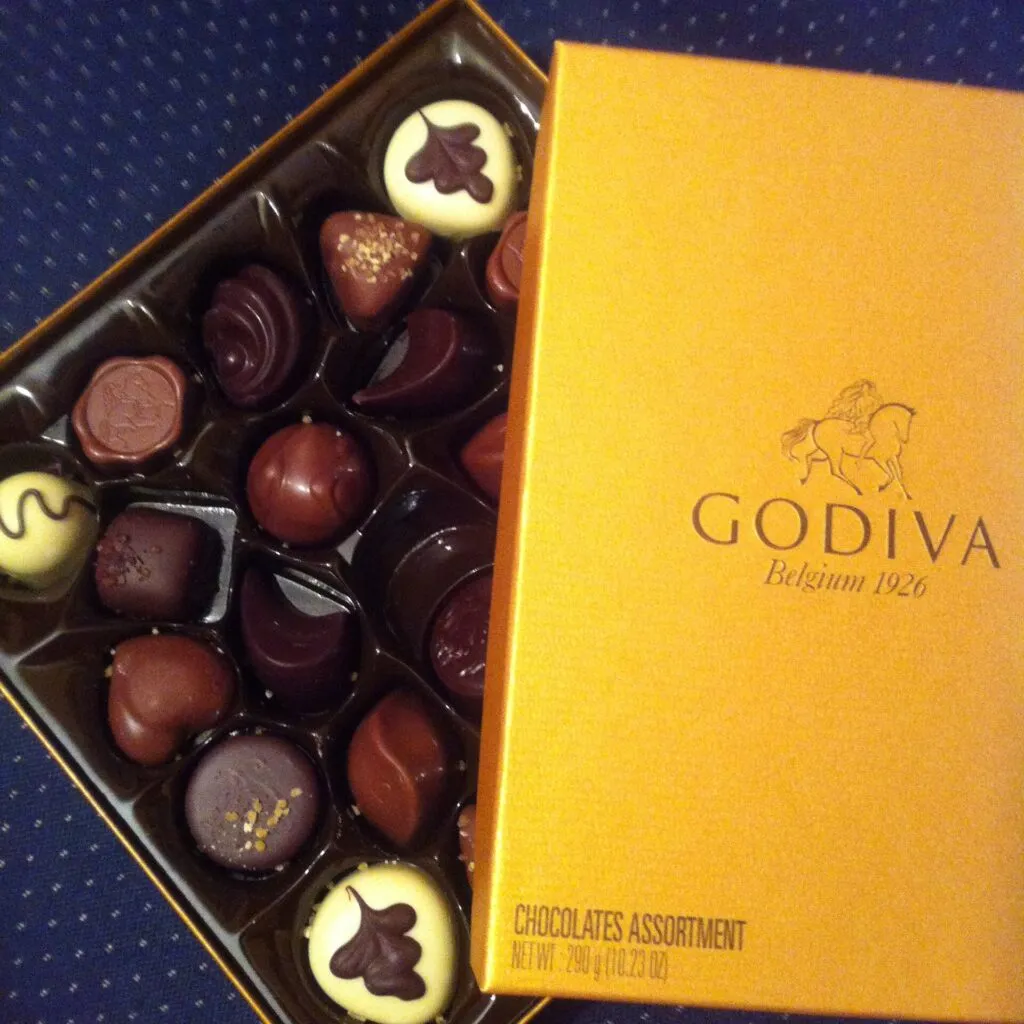
The first surprise in a chocolate class is the temperature. Your instructor pours melted chocolate onto a marble slab, spreads it back and forth with a palette knife, and checks it against her lip. Too warm and the pralines will be dull and soft; just right and they will snap and shine.
A chocolate-making class in Belgium is a two- to three-hour hands-on workshop where you learn to temper chocolate, fill moulds to make pralines, and decorate mendiants or bars you take home. Classes run in Brussels, Bruges, Ghent and Antwerp, usually in English as well as French or Dutch. In 2026 expect roughly €40–90 per adult, depending on length and group size.
This guide explains what happens in a class, how to choose one, what it costs, and what to check if you avoid alcohol.
What you actually do
- A short tasting and introduction – cocoa beans, the difference between dark, milk and white chocolate, and why Belgian pralines are special.
- Tempering – melting, cooling and rewarming chocolate so it sets glossy and crisp. You will try it by hand on marble or in a bowl.
- Making praline shells – filling moulds, tipping out the excess, and letting a thin shell set.
- Filling – piping in ganache or praliné, then sealing the bottom with more chocolate.
- Decorating – mendiants with nuts and dried fruit, or bars with toppings.
- Packing up – your pralines go into a box to take home, usually 20 to 40 pieces.
How to choose a class
| Check | Why it matters |
|---|---|
| Length | Two hours is a taste; three hours lets you do shells, fillings and decoration properly |
| Group size | Smaller groups mean more hands-on time and help from the chocolatier |
| Language | Most classes in tourist cities run in English; check the date you want |
| Who teaches | A working chocolatier or a museum educator; both can be excellent |
| What you take home | Ask how many pralines and whether a box is included |
| Children | Many classes accept children with an adult; some have family sessions |
Where to take one
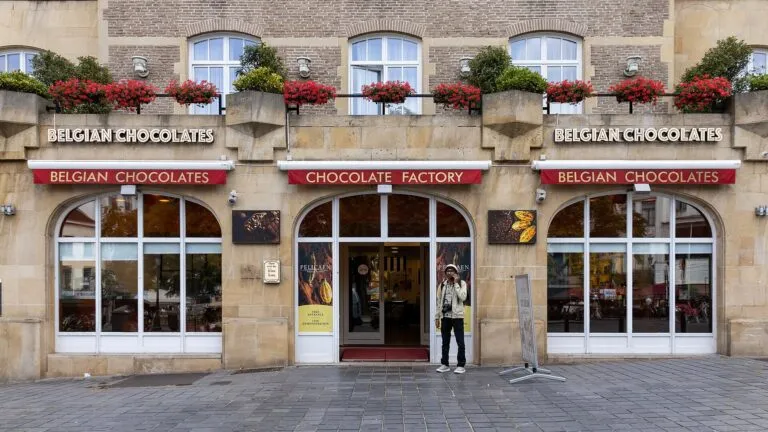
- Brussels – the most choice, from chocolatiers’ workshops to museum sessions near the Grand-Place. Combine it with our guide to buying chocolate in Brussels.
- Bruges – a compact old town with many chocolate shops and workshops; easy as a day trip from Brussels.
- Ghent and Antwerp – fewer tourist crowds and good independent chocolatiers.
Classes fill up at weekends and in school holidays. Book a few days ahead, and check the meeting point, since some workshops are behind the shop rather than inside it.
What it costs (2026)
| Class | Typical price |
|---|---|
| Short workshop (about 2 hours) | About €40–60 per adult |
| Longer workshop (about 3 hours) | About €60–90 per adult |
| Children with an adult | Often discounted |
| Private or group booking | Priced on request |
Plan your Belgium spending with the Belgium food budget calculator.
Halal note: chocolate itself is usually fine, but some ganache recipes use liqueur, and some decorations or fillings can contain gelatin. Tell the instructor when you book; most will happily give you alcohol-free fillings. The phrases below help. Our halal food travel guide covers eating out in Belgium and beyond.
Tips for a better class
- Wear dark clothes or bring the apron you are given; chocolate gets everywhere.
- Tie back long hair.
- Do not eat a big meal first. You will taste a lot.
- Bring a cool bag in warm weather, so your pralines survive the trip back.
- Take photos of the tempering steps; they are the part you will want to remember at home.
Tempering at home: the short version
For dark chocolate, the classic curve is: melt to about 45–50°C, cool to about 28–29°C while stirring, then rewarm gently to about 31–32°C. Milk and white chocolate work at slightly lower temperatures. A class shows you how it looks and feels, which a thermometer alone does not.
Phrases that help
| French | Dutch | Meaning |
|---|---|---|
| Un atelier chocolat | Een chocoladeworkshop | A chocolate workshop |
| En anglais ? | In het Engels? | In English? |
| Sans alcool, s’il vous plaît | Zonder alcohol, alstublieft | Without alcohol, please |
| Il y a de la gélatine ? | Zit er gelatine in? | Is there gelatin? |
Frequently asked questions
How long is a chocolate-making class in Belgium?
Usually two to three hours. Longer classes give you time to make shells, fillings and decorations.
How much does a chocolate workshop cost in Brussels?
Roughly €40–90 per adult in 2026, depending on length and group size.
Can children join?
Many workshops welcome children with an adult, and some run family sessions. Check the minimum age when booking.
More in Belgium: Belgian waffles and Belgian fries. See all Belgium food guides and tipping in Belgium.
Sources
- visit.brussels – official Brussels tourism site.
- Chocolate tempering and Belgian chocolate.