Inside the glass-roofed Galeries Royales Saint-Hubert, the shop windows glow like jewellers’. Trays of glossy pralines, each with its own pattern, sit in neat rows. You point, the assistant picks them up with tongs, and your box slowly fills.
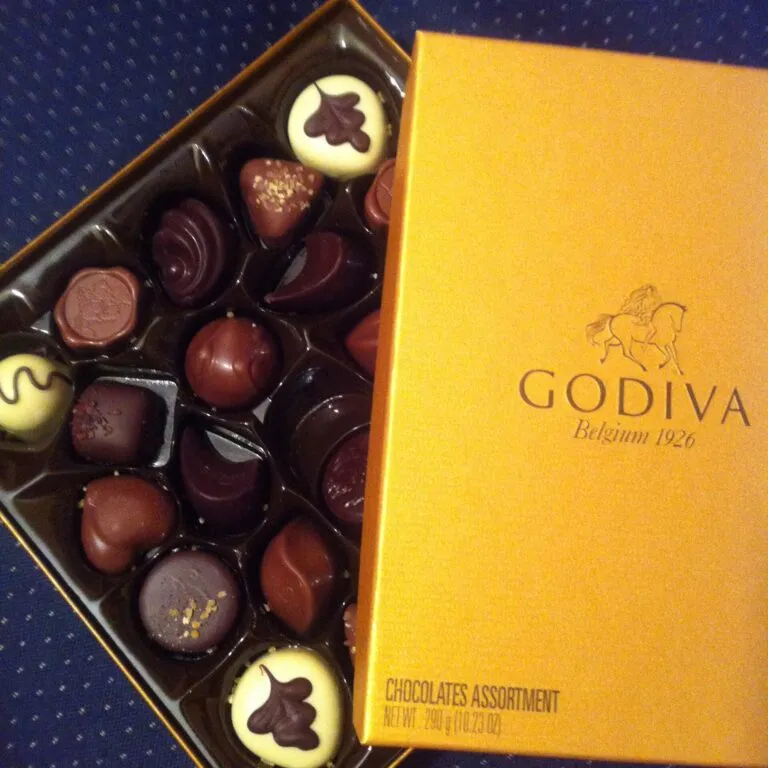
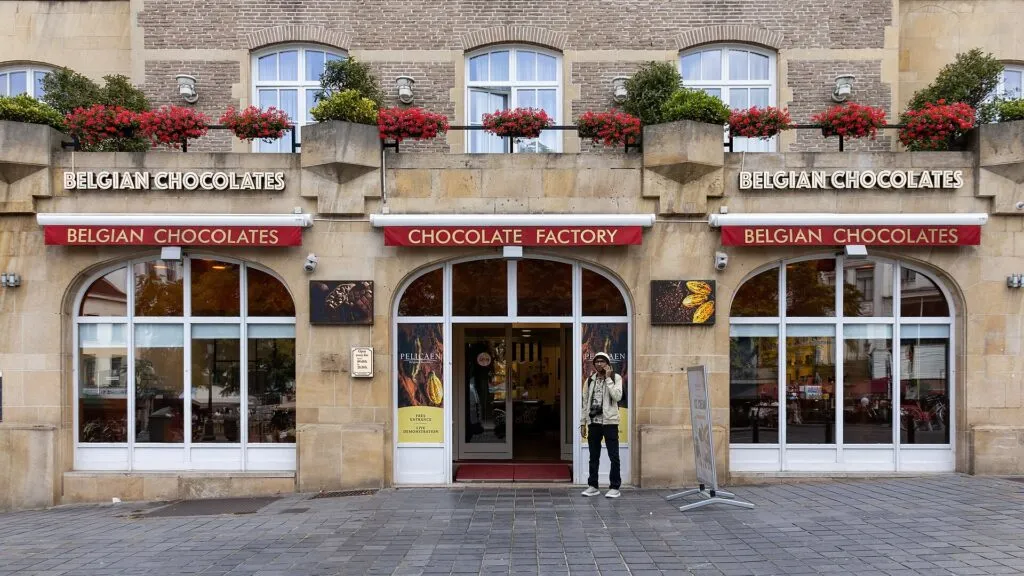
Brussels is one of the world’s great chocolate cities, and its signature is the praline: in Belgium, a filled chocolate with a shell and a soft centre of ganache, nut paste or cream. The best-known places are the historic houses around the Galeries Royales Saint-Hubert, the Grand-Place and the Sablon, including Neuhaus, Wittamer, Mary, Pierre Marcolini and Godiva. In 2026 pralines cost roughly €35–50 per kilo at popular chains and €70–130 per kilo at premium chocolatiers, and you can buy as few as a handful.
This guide explains how the praline was born, how to choose a shop, a short chocolate walk, how buying by the ballotin works, how long chocolate keeps, and what Muslim travellers should check.
The praline was born here
In 1912, Jean Neuhaus, whose grandfather had opened a pharmacy-turned-sweet shop in the Galeries Royales Saint-Hubert, filled a chocolate shell with a soft centre. He called it a praline, and Belgian chocolate changed for good.
A few years later his wife, Louise Agostini, designed the ballotin, the folded cardboard box that stops pralines being crushed in a paper bag. Both are still used everywhere in Belgium.
Note the word: a Belgian praline is any filled chocolate. In France a praline is a caramelised almond, and in the US it is a pecan candy.
Know your chocolates
| Word | What it means |
|---|---|
| Praline | A filled chocolate with a shell and a soft centre |
| Ganache | A filling of chocolate and cream; smooth and rich |
| Gianduja | Chocolate blended with finely ground hazelnut |
| Praliné | A nutty paste of caramelised hazelnuts or almonds |
| Manon | A classic Belgian praline with a buttercream centre |
| Mendiant | A chocolate disc topped with dried fruit and nuts |
| Ballotin | The folded box you buy pralines in |
How to choose a shop
Brussels chocolate comes in roughly three tiers. All are worth trying for different reasons.
| Tier | Examples | What to expect |
|---|---|---|
| Popular chains | Leonidas | Good value, many shops, simple classic pralines |
| Historic houses | Neuhaus, Godiva, Mary, Wittamer | Classic recipes, elegant shops, royal and old-city history |
| Artisan chocolatiers | Pierre Marcolini and independent makers | Seasonal flavours, single-origin chocolate, higher prices |
A short chocolate walk
- Galeries Royales Saint-Hubert – start at Neuhaus’s historic shop in the 19th-century glass arcade.
- Grand-Place – two minutes away, with several chocolate houses facing the square, including Godiva.
- Rue Royale – Mary, founded in 1919 and holder of a royal warrant, is known for its elegant boutique.
- Place du Grand Sablon – the city’s chocolate square, home to Wittamer (founded in 1910) and Pierre Marcolini. Finish here.
The walk takes about an hour with stops. Shops are usually open daily, but check Sunday and holiday hours.
If you want to go deeper, the Choco-Story museum near the Grand-Place explains the history of cocoa and chocolate-making, and you can join a chocolate-making class to make your own pralines.
How buying works
- Pralines are sold by weight. Ask for a ballotin of 125 g, 250 g, 500 g or 1 kg.
- Point at the ones you want, or ask for an assortment.
- A 250 g box holds roughly 18–22 pralines, depending on size.
- Tasting one or two single pieces is fine; many shops sell them individually.
- Ask for a list of the fillings if you need to check ingredients.
How long chocolate keeps
| Chocolate | Best within | Storage |
|---|---|---|
| Fresh cream or ganache pralines | About 2–3 weeks | Cool and dry, around 15–18°C; not in a hot car |
| Praliné and gianduja pralines | About 3–4 weeks | Cool and dry |
| Solid bars and mendiants | Several months | Cool, dry and away from strong smells |
Fridges dull the flavour and can cause white “bloom”. If you must chill chocolate in hot weather, wrap it well and let it come to room temperature before eating.
Halal note: most Belgian chocolate is free of pork and alcohol, but some pralines are filled with liqueur, rum or other spirits, and a few fillings may contain gelatin. Ask for the ingredient list or a box without alcohol (sans alcool / zonder alcohol). For halal meals in Brussels, neighbourhoods such as Saint-Josse and Schaerbeek have many Turkish and North African restaurants. See our halal food travel guide.
What chocolate costs (2026)
| Item | Typical price |
|---|---|
| Pralines at a popular chain | About €35–50 per kilo |
| Pralines at a historic house or artisan | About €70–130 per kilo |
| 250 g ballotin | About €10–35 depending on the shop |
| Single praline | About €1–3 |
| Hot chocolate at a chocolatier | About €4–8 |
Plan your Belgium food budget with the Belgium food budget calculator, and check tipping in Belgium.
Other Belgian sweets to try
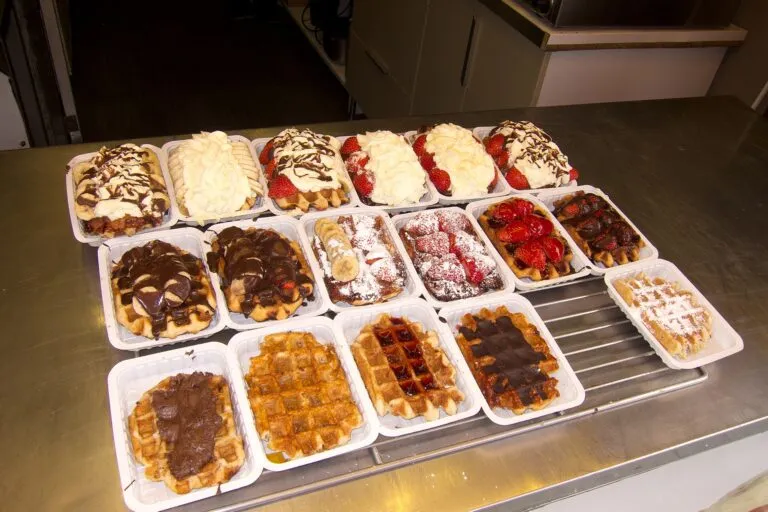
- Waffles – crisp Brussels waffles and caramelised Liège waffles; see Belgian waffles in Brussels.
- Speculoos – spiced caramelised biscuits, also sold as a spread.
- Pain à la grecque – a sugar-crusted Brussels bread, despite the name.
- Chocolate spreads and bars – easy to carry home and longer-lasting than pralines.
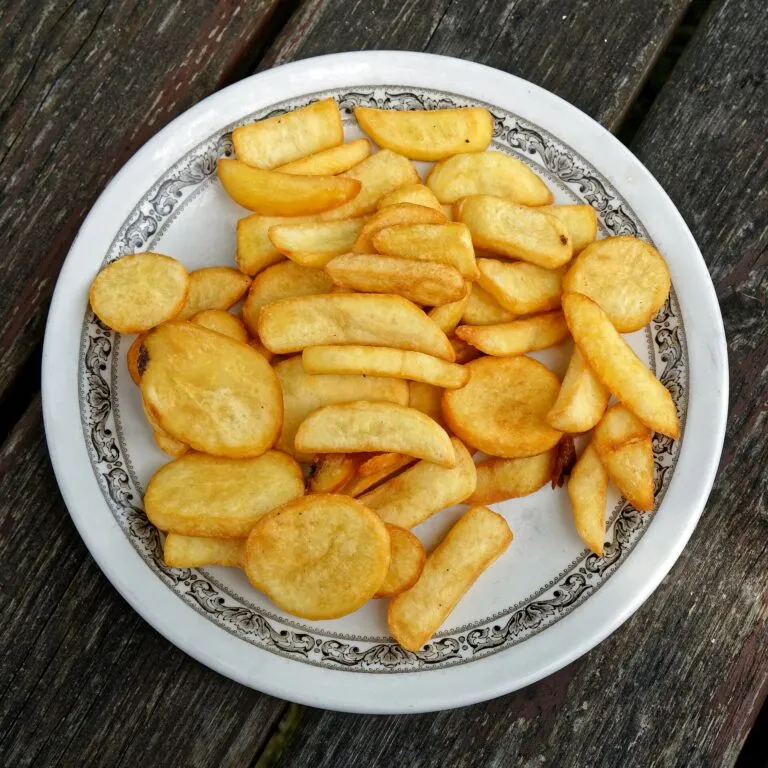
For something savoury between shops, try Belgian fries.
Phrases for the chocolate shop
| French | Dutch | Meaning |
|---|---|---|
| Un ballotin de 250 grammes, s’il vous plaît | Een ballotin van 250 gram, alstublieft | A 250 g box, please |
| Un assortiment | Een assortiment | An assortment |
| Il y a de l’alcool dedans ? | Zit er alcohol in? | Is there alcohol in it? |
| Il y a de la gélatine ? | Zit er gelatine in? | Is there gelatin? |
| Sans alcool, s’il vous plaît | Zonder alcohol, alstublieft | Without alcohol, please |
| C’est combien ? | Hoeveel kost het? | How much is it? |
Frequently asked questions
Where is the best chocolate in Brussels?
The Galeries Royales Saint-Hubert and the Place du Grand Sablon have the highest concentration of famous shops, including Neuhaus, Wittamer and Pierre Marcolini. Leonidas is the favourite for value.
What is a Belgian praline?
A filled chocolate: a chocolate shell with a soft centre such as ganache, praline paste or cream. It was created in Brussels by Jean Neuhaus in 1912.
Is Belgian chocolate halal?
Much of it contains no pork or alcohol, but some pralines contain liqueur or gelatin. Check the ingredients or ask for alcohol-free pralines.
How much chocolate can I take home?
Chocolate is usually fine in hand luggage and checked bags. Keep it cool, and check your destination’s customs rules.
See all Belgium food guides, or cross the border for fresh stroopwafels in Amsterdam.
Sources
- visit.brussels – official Brussels tourism site.
- Belgian chocolate and Neuhaus.