How the Middle East Eats
The Middle East shares a table of bread, rice, grilled meat, chickpeas, yoghurt, herbs and sweets, with each country adding its own character. Meals are generous and social: many small plates (mezze), a central dish of rice or grilled meat, fresh bread and strong coffee or tea to finish.
| Area | Dishes to know |
|---|---|
| The Levant (Lebanon, Syria, Jordan, Palestine) | Hummus, falafel, tabbouleh, manakish, shawarma, mansaf, knafeh |
| Türkiye | Kebabs, pide, börek, simit, meze, baklava |
| The Gulf (Saudi Arabia, UAE, Oman, Qatar, Kuwait, Bahrain) | Kabsa, machboos, mandi, harees, dates and Arabic coffee |
| Iran | Rice with crispy tahdig, kebabs, stews such as ghormeh sabzi and fesenjan |
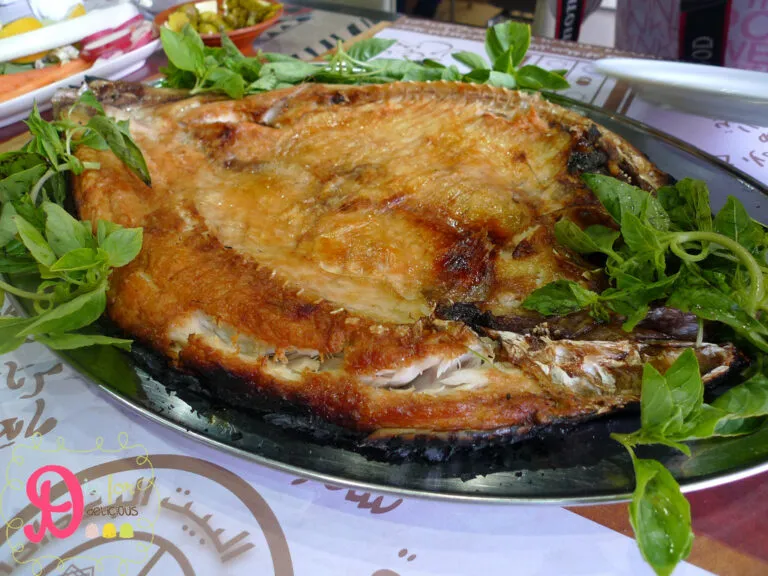
| Iraq and Yemen | Masgouf (grilled fish), dolma, mandi and saltah |
| Egypt and North Africa | Koshari, ful medames, taameya; see our Africa guides |
Street Food
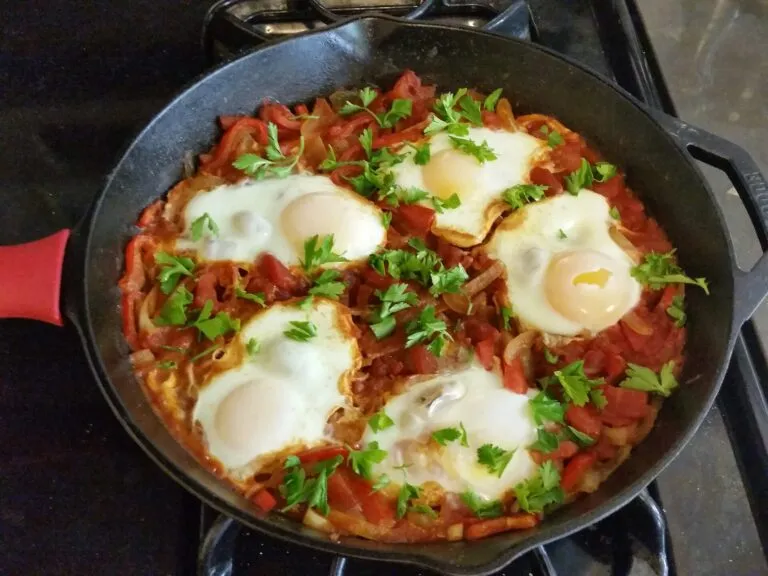
Shawarma, falafel, manakish, simit, kebab wraps, ka’ak bread and fresh juices are sold on almost every corner. In Istanbul, try simit for breakfast and baklava in the afternoon; in Amman and Beirut, manakish and falafel; in the Gulf, shawarma and Karak tea. Our guides include shakshuka and Istanbul’s baklava.
Halal Food in the Middle East
Most of the region is Muslim-majority, so food is halal by default in Saudi Arabia, the Gulf states, Jordan, Iran, Iraq, Yemen and Türkiye, apart from some international hotels and bars. In Lebanon, Israel and areas with large Christian or Jewish communities, ask about meat and alcohol.
Halal note: kosher food in Israel is not the same as halal; our guides do not treat kosher meat as halal. Some Lebanese and Turkish restaurants serve alcohol such as arak and rakı. See our halal food travel guide for how to ask.
Hospitality and Etiquette
- Accept coffee or tea when offered; it is a sign of welcome. In the Gulf, gently shake the small cup when you have had enough Arabic coffee.
- Eat with the right hand when sharing from a common dish.
- During Ramadan, many restaurants close during the day and open for iftar at sunset, when the streets come alive.
- Fridays are the weekend in much of the region; some places open later.
- Check service customs in our tipping guide and plan costs with our food budget calculator.
Dishes to Try
| Dish | What it is |
|---|---|
| Hummus and moutabal | Chickpea and smoky aubergine dips, eaten with warm bread |
| Falafel | Fried chickpea or broad bean patties in bread with salad and tahini |
| Shawarma | Spit-roasted chicken, lamb or beef in flatbread with garlic sauce and pickles |
| Manakish | Flatbread topped with za’atar, cheese or minced meat, a breakfast favourite |
| Kabsa and mandi | Spiced rice with chicken or lamb, central to Gulf and Yemeni hospitality |
| Mansaf | Jordan’s national dish of lamb cooked in fermented dried yoghurt, served over rice |
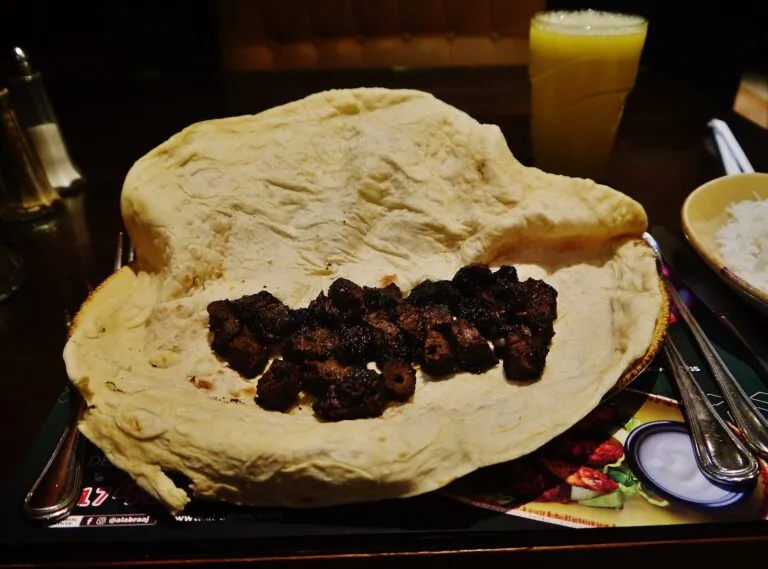
| Kebabs | Grilled skewers and minced meat, from Turkish adana to Iranian koobideh |
| Knafeh | Hot cheese pastry soaked in syrup, a Levantine favourite |
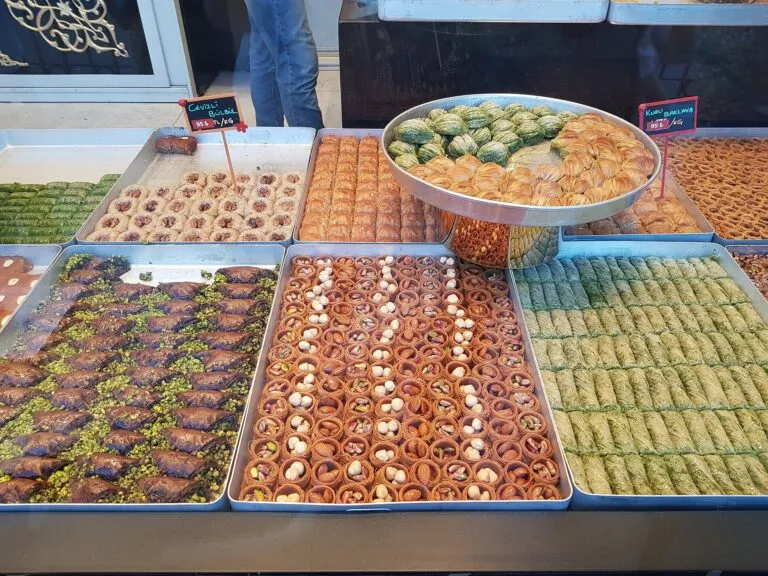
| Baklava | Layered filo with nuts and syrup; Gaziantep’s pistachio baklava is famous |
| Dates and Arabic coffee | The classic welcome, especially in the Gulf |
Best Food Cities
- Istanbul: kebabs, meze, street food and baklava, all halal by default in most places.
- Gaziantep: Türkiye’s food capital, famous for kebabs and pistachio baklava.
- Beirut: mezze, manakish and one of the region’s richest food scenes.
- Amman: mansaf, falafel and knafeh.
- Dubai and Abu Dhabi: food from across the Arab world and South Asia, with Emirati dishes such as machboos and luqaimat.
- Muscat: Omani shuwa (slow-cooked lamb), halwa and seafood.
- Tehran and Isfahan: Persian rice dishes, stews and kebabs.
Ramadan Food
During Ramadan, the region’s food culture changes completely. Families break the fast with dates and water, then soups such as lentil shorba, sambusa and main dishes. Special sweets appear, such as qatayef (filled pancakes), and drinks such as jallab and qamar al-din (apricot). Hotels and restaurants serve iftar buffets, and many cities host communal iftar tents.
Breakfast Culture
Breakfast is one of the best meals in the region. In Türkiye, a full kahvaltı spreads cheeses, olives, tomatoes, cucumbers, eggs, honey, kaymak and bread across the table. In the Levant, ful medames, hummus, falafel, labneh and manakish are typical, while Gulf breakfasts often include balaleet (sweet vermicelli with egg) and chebab pancakes. Egyptians eat ful and taameya from street stalls.
What a Food Trip Costs
| Destination | Street food | Sit-down meal |
|---|---|---|
| Türkiye, Jordan, Egypt, Iran | About USD 2–6 | About USD 8–25 |
| Lebanon, Oman | About USD 3–8 | About USD 12–35 |
| UAE, Qatar, Saudi Arabia | About USD 4–10 | About USD 15–60 |
The Gulf can be expensive in hotels, but cafeterias and South Asian, Arab and Turkish eateries offer excellent value.
How to Eat Mezze and Share a Meal
Mezze arrive first, usually several small plates placed in the middle for everyone. Tear a piece of flatbread and use it to scoop dips such as hummus and moutabal, and add salads, pickles and fresh herbs. Main dishes such as grilled meat or rice follow, and the meal often ends with fruit, sweets and coffee or tea.
Hosts are generous and will keep offering food. Accepting is polite, but it is fine to decline gently once you are full. Sharing from the same plate, eating with the right hand and leaving a little on your plate at the end are all common customs.
Frequently Asked Questions
What are popular Middle Eastern foods?
Hummus, falafel, shawarma, kebabs, tabbouleh, manakish, kabsa, mansaf, baklava and knafeh.
Which country has the best Middle Eastern food?
Lebanon and Türkiye are often named for variety, with Syria, Iran and Jordan close behind. It depends on what you like.
What is Middle Eastern street food?
Shawarma, falafel, manakish, simit, kebab wraps and fresh juices, sold from small shops and carts.
Is food in the Middle East halal?
In Muslim-majority countries, generally yes. In Lebanon and Israel, and at international hotels, ask about meat and alcohol.
Is kosher food halal?
Not automatically. Scholars differ, and our guides do not present kosher meat as halal.
What is mezze?
A spread of small dishes, such as hummus, moutabal, tabbouleh and pickles, shared at the start of a meal.
What is the best time for a food trip to the Middle East?
Spring and autumn have the most comfortable weather. Ramadan is special for iftar food, but daytime options are limited.
Is Middle Eastern food spicy?
Usually aromatic rather than hot, flavoured with cumin, coriander, cinnamon, sumac and herbs; chilli is often on the side.
What is the national dish of Saudi Arabia?
Kabsa, spiced rice with chicken or lamb, is the best-known national dish.
What should I eat in Istanbul?
Kebabs, pide, simit, balık ekmek (fish sandwich), meze, Turkish breakfast and baklava.
What do people eat for iftar?
Dates and water first, then soup, sambusa or börek, a main dish of rice and meat, and sweets such as qatayef or knafeh.
Is it rude to refuse food in the Middle East?
Hosts often insist several times out of politeness. It is fine to decline gently and thank them, especially once you have eaten.
Can I eat in public during Ramadan?
In most Gulf countries it is expected that visitors avoid eating and drinking in public during fasting hours. Many hotel restaurants serve guests discreetly.