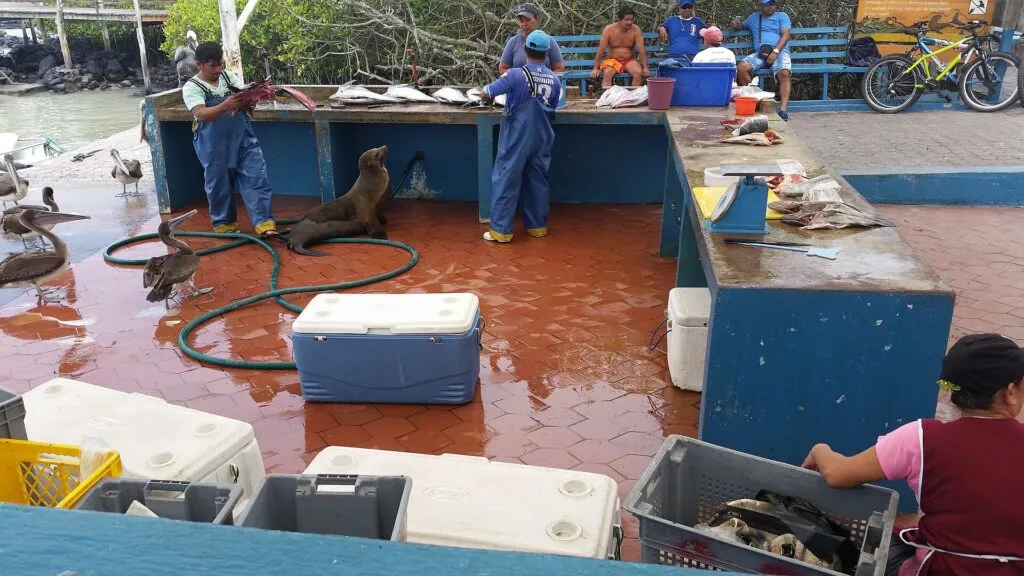
At Puerto Ayora’s fish market on Santa Cruz, a sea lion waits at the cutting table, pelicans line up on the rail, and the fishers fillet wahoo and tuna that came in an hour earlier. That evening, a few streets away, the same fish is grilled at plastic tables on a pedestrian street lined with seafood kiosks.
Food in the Galápagos is mostly fresh seafood from the islands’ artisanal fishers, combined with mainland Ecuadorian cooking: ceviche, encebollado fish soup, fish and lobster in coconut sauce (encocado), grilled “brujo” and wahoo, plantain patacones and bolones. Red and green spiny lobster is a seasonal highlight, usually from late August or September to the end of the year.
This guide covers what to eat, where to eat on Santa Cruz, San Cristóbal and Isabela, what cruise food is like, how to eat responsibly in a marine reserve, dietary and halal notes, and what meals cost in 2026.
What to Eat in the Galápagos
| Dish | What it is |
|---|---|
| Ceviche | Fish, shrimp or octopus in lime with onion, tomato and coriander, served with popcorn or plantain chips; Ecuadorian ceviche is saucier than Peru’s |
| Encebollado | A hearty tuna, yuca and pickled onion soup, eaten for breakfast or lunch, especially after a late night |
| Encocado | Fish, shrimp or lobster in coconut milk with garlic and coriander, a coastal Ecuadorian classic |
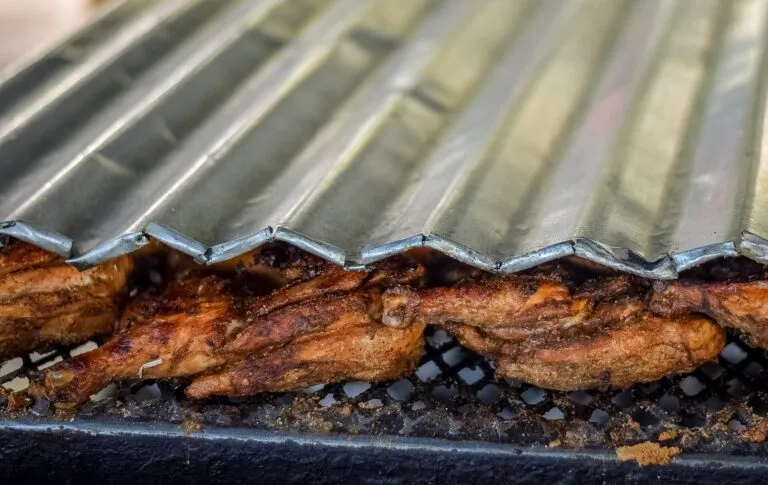
| Pescado brujo | Scorpionfish, a local favourite, often fried whole or grilled |
| Wahoo and tuna | Firm, meaty fish usually grilled or served as ceviche |
| Langosta (spiny lobster) | Red or green spiny lobster, grilled with garlic butter or in coconut sauce, in season |
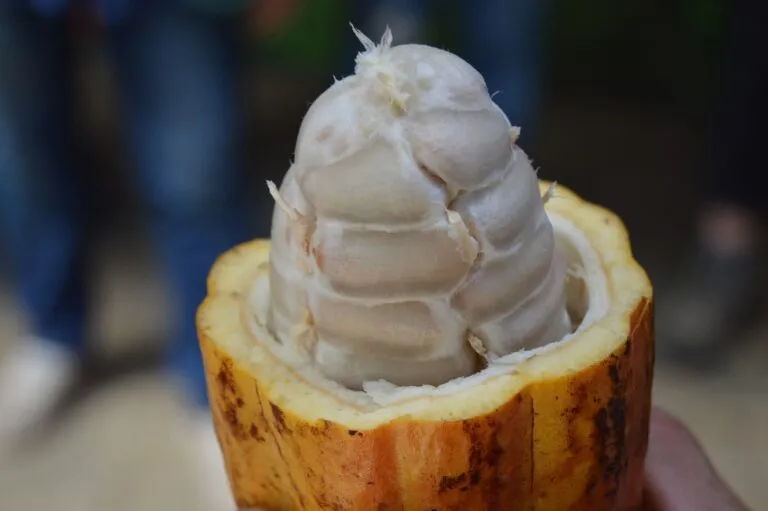
| Canchalagua ceviche | A Galápagos speciality of chiton, a small mollusc, in citrus |
| Patacones | Twice-fried green plantain discs, the islands’ chips |
| Bolón de verde | A ball of mashed green plantain with cheese, pork crackling or both, eaten for breakfast |
| Arroz con menestra | Rice with lentils or beans, often with fish or as a vegetarian plate |
The islands also grow coffee, fruit and vegetables in the highlands of Santa Cruz and San Cristóbal, and several farms offer tours and tastings.
Where to Eat on Each Island
Santa Cruz (Puerto Ayora)
The busiest town in the islands. The famous street of seafood kiosks, on Charles Binford Avenue, fills with tables every evening, and travellers on forums consistently recommend it for fresh, good-value fish and lobster. The waterfront fish market is the place to watch the catch arrive, with sea lions and pelicans waiting for scraps.
San Cristóbal (Puerto Baquerizo Moreno)
A relaxed harbour town with seafood restaurants on the malecón, set lunches for locals, and highland coffee farms within an easy taxi ride.
Isabela (Puerto Villamil)
The smallest and quietest town, with a handful of beachside restaurants. Choice is more limited, so menus are simpler and closing times earlier.
Cruises
On liveaboard cruises, all meals are served on board, usually buffet or set menus mixing Ecuadorian dishes with international food. Quality varies by class of boat, but most cater for vegetarian and other dietary needs if you request them when booking.
Eating Responsibly in a Marine Reserve
The Galápagos Marine Reserve allows only artisanal fishing by local fishers, with quotas, seasons and no-take zones managed by the Galápagos National Park Directorate. Choosing what you eat carefully supports both the ecosystem and local families.
- Lobster: eat it in season. The spiny lobster season usually opens in late August or September and runs to the end of the year, with exact dates set each year; in 2024, fishers caught about 108 tonnes. Out of season, any lobster served should be frozen from the legal catch, so ask.
- Sea cucumber is not a visitor food. It is a tightly regulated, overexploited fishery for Asian export.
- Never eat shark or shark fin. Shark fishing is banned in the reserve, and the islands’ sharks are worth far more alive to dive tourism.
- Choose local, seasonal fish such as wahoo, tuna, brujo and grouper (bacalao) from artisanal fishers.
- Do not feed wildlife, even the sea lions at the fish market.
Dietary and Halal Notes
Halal note: the Galápagos are among the easier places in Latin America for halal-conscious travellers because so much of the food is fish. Fish dishes such as encebollado, grilled wahoo and tuna suit all schools of thought. Lobster, shrimp, octopus and canchalagua are permitted by most scholars; the classical Hanafi position allows only fish, so check with your own scholar. Watch for pork crackling (chicharrón) in bolones, ham in breakfasts, and wine in some sauces. Chicken and beef are not halal-slaughtered. Halal restaurants are essentially absent in the islands, so tell your cruise or hotel in writing in advance if you want fish or vegetarian meals only. See our halal food travel guide.
Vegetarians manage well with rice and lentils, plantain dishes, bolones de queso (cheese only), salads and fruit. Vegans should ask about butter, cheese and fish stock. Gluten-free travellers can rely on rice, plantain, yuca and grilled fish.
Food Safety Tips
- Drink bottled or filtered water; most hotels and boats provide refills.
- Eat ceviche at busy places with high turnover.
- Ask for sauces on the side if you are sensitive to spice; Ecuadorian ají can be hot.
- Bring any special snacks from the mainland or home, because the islands’ shops are small and prices are high.
What Food Costs in 2026
| Meal | Typical price (US dollars, Ecuador’s currency) |
|---|---|
| Set lunch (almuerzo) for locals | About USD 6–10 |
| Fish dinner at the Puerto Ayora kiosks | About USD 15–25 |
| Lobster dinner in season | About USD 25–45 |
| Ceviche at a restaurant | About USD 12–20 |
| Main course at a tourist restaurant | About USD 20–35 |
Food costs more in the Galápagos than on the mainland because most supplies arrive by boat or plane. Plan your budget with our food budget calculator.
Frequently Asked Questions
What is the food like in the Galápagos?
Mostly fresh seafood with Ecuadorian flavours: ceviche, fish soups, grilled fish, coconut sauces and plantain sides, plus lobster in season.
When is lobster season in the Galápagos?
Usually from late August or September until the end of the year, sometimes into January. The national park sets the exact dates each year.
Is it ethical to eat seafood in the Galápagos?
Yes, if you choose fish from local artisanal fishers, eat lobster in season and avoid shark, sea cucumber and anything of unclear origin. Fishing is regulated within the marine reserve.
Where are the best cheap eats in Puerto Ayora?
The seafood kiosks on Charles Binford Avenue are the best-known option, along with set-lunch restaurants used by locals.
Is food expensive in the Galápagos?
More expensive than mainland Ecuador, because most supplies are shipped in. Set lunches and the kiosks keep costs down.
What is brujo fish?
Brujo is the local name for a scorpionfish, a firm white fish popular in the islands, usually fried whole or grilled.
What is encebollado?
A tuna and yuca soup topped with pickled red onion and served with plantain chips or popcorn, one of Ecuador’s most popular dishes.
What is canchalagua?
A chiton, a small marine mollusc with a segmented shell, eaten in ceviche in the Galápagos. It is chewy, with a clean sea taste.
What do you eat on a Galápagos cruise?
Three meals a day on board, usually buffet or set menus with fish, chicken, rice, salads and Ecuadorian dishes. Dietary requests are possible if made in advance.
Can vegetarians eat well in the Galápagos?
Yes, with some planning. Rice and lentils, plantain dishes, cheese bolones, salads and fruit are easy to find, and cruises cater for vegetarians on request.
Is ceviche in Ecuador different from Peru?
Yes. Ecuadorian ceviche is served in more citrus juice, often with tomato, and comes with popcorn or plantain chips. Peruvian ceviche is drier and usually served with sweet potato and corn.
Can I bring food into the Galápagos?
Fresh food, plants, seeds and animal products are restricted to protect the islands’ ecosystems. Your luggage is inspected on arrival; packaged snacks are generally fine.
Is tap water safe in the Galápagos?
No. Drink bottled or filtered water, and use refill stations where available to cut plastic waste.
Do the Galápagos grow their own food?
Partly. The highlands of Santa Cruz and San Cristóbal grow coffee, fruit and vegetables, but much food still comes from mainland Ecuador.
More from the region: ceviche in Lima, Amazonian food, quinoa in the Andes and all Latin America and Caribbean food guides.
Sources
- The red lobster of Galápagos, Galápagos Conservancy (2024 catch, no-take zones, season dates)
- Improving the spiny lobster fishery, Community Conservation Research Network
- Galápagos sea cucumber fisheries, FAO technical paper via IMIS
- 7 must-try dishes in the Galápagos, Sea Kayak Adventures