At seven in the morning a Paris boulangerie smells of butter and coffee. The trays behind the glass are still warm, and the queue moves fast: a baguette under one arm, a paper bag with two croissants in the other hand, and out the door.
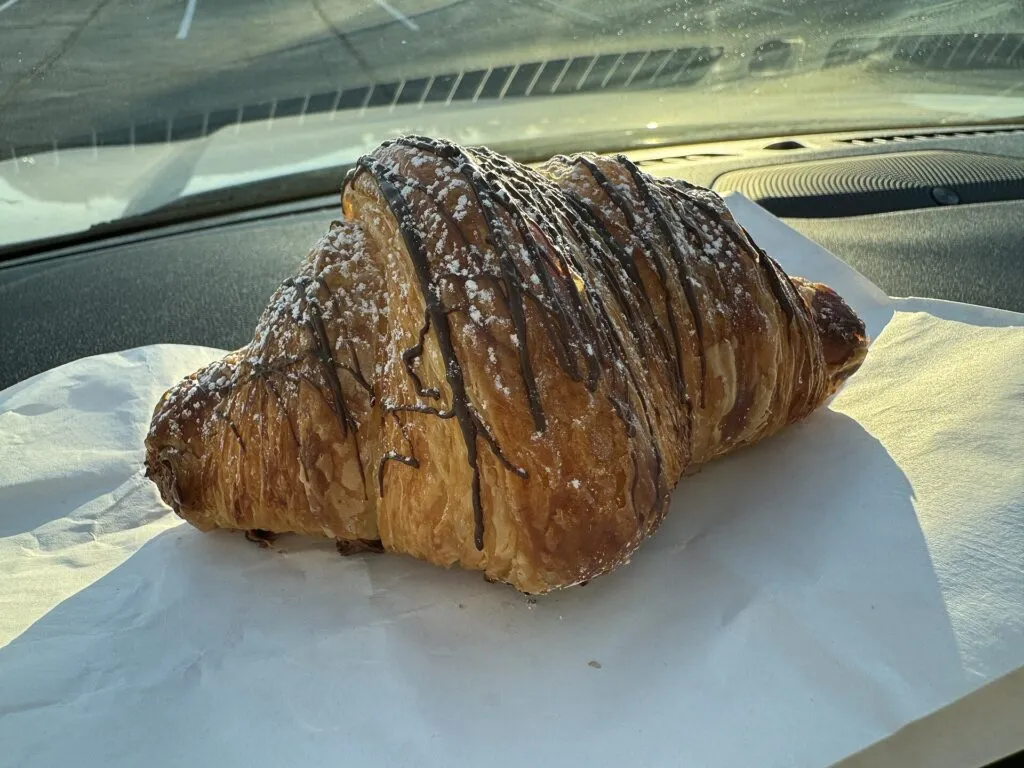
A great Paris croissant is made with real butter (croissant au beurre), shatters into flakes when you bite it, and has a soft, honeycombed inside. You find the best ones at neighbourhood boulangeries that bake on site, and at a handful of famous bakeries. In 2026 a croissant costs roughly €1.20–2 at a local bakery and €2–4 at well-known addresses. Plain butter croissants contain no pork or alcohol; the ones to check are almond croissants and filled savoury versions.
This guide shows you how to spot a good croissant, what the words on the label mean, where to go, when to buy, and how Muslim travellers can choose safely.
Where the croissant came from
The crescent-shaped roll has roots in Austria’s kipferl. Viennese bakers brought their breads to Paris in the 19th century, which is why French pastries made from rich dough are still called viennoiseries.
The flaky, layered croissant we know today is a French development of the 20th century. It is made by folding butter into dough again and again, so the pastry bakes into dozens of thin layers.
How to spot a great croissant
- Look for “au beurre”. Butter croissants taste far better than croissants ordinaires, which are usually made with other fats. A common Paris rule of thumb: straight croissants are butter, curved ones are not. It is not a law, but many bakeries follow it.
- A deep golden, glossy crust with visible layers at the ends.
- It shatters. Flakes should fall on your coat when you bite.
- A honeycomb inside when you tear it: open, airy, slightly elastic.
- It smells of butter, not of oil.
- It feels light for its size. Heavy means under-proved.
Reading the bakery label
| Label | Meaning |
|---|---|
| Croissant au beurre | Made with butter; the one to buy |
| Croissant ordinaire | Made with other fats; cheaper, less flavour |
| Pain au chocolat (or chocolatine in the south-west) | Laminated dough rolled around chocolate bars |
| Croissant aux amandes | A day-old croissant filled with almond cream and baked again |
| Pain aux raisins | A spiral with custard and raisins |
| Artisan boulanger | The baker makes bread on site; a good sign |
Halal note: a plain croissant au beurre is made from flour, butter, sugar, yeast and milk, with no pork or alcohol. Two things to check: almond croissants are sometimes soaked in rum-flavoured syrup, so ask Il y a du rhum ?; and savoury croissants often contain ham (jambon). Paris has many halal bakeries and restaurants, especially in the 18th, 19th and 20th arrondissements. See our halal food travel guide.
Where to eat croissants in Paris
The honest answer is: the good bakery nearest your hotel. Paris has hundreds, and a busy local boulangerie that bakes on site will usually beat a famous name reheated in a café.
- Your neighbourhood boulangerie – look for the queue at 7–9am and the artisan boulanger sign.
- Du Pain et des Idées (10th arrondissement) – a well-known bakery near Canal Saint-Martin, famous for its pastries and bread.
- Stohrer, rue Montorgueil (2nd) – founded in 1730 and often called the oldest pâtisserie in Paris; worth a visit for the history and the pastries.
- Winners of the annual “best croissant” contests – Paris bakers compete each year; winning bakeries display the award in their window.
Many bakeries close one or two days a week, and some close for part of August. Check before crossing the city.
When and how to eat one
- Buy in the morning. Croissants are best within a few hours of baking.
- Eat it plain. A good butter croissant does not need jam or butter.
- Dipping is allowed. Many Parisians dunk a croissant in a café crème or hot chocolate at breakfast.
- Day-old? Warm it for a few minutes in the oven, never the microwave.
- Café or bakery? Bakeries are cheaper and fresher. Cafés often buy croissants in, and charge more to eat at a table.
A simple Paris breakfast walk
- Start at a boulangerie near you and buy a croissant au beurre and a pain au chocolat to compare.
- Walk to a café counter (au comptoir) for a coffee; standing at the bar is cheaper than sitting.
- Pick up a baguette for later, the other half of the Paris bakery ritual.
- In the afternoon, visit a Paris cheese shop.
What croissants cost (2026)
| Item | Typical price |
|---|---|
| Croissant au beurre, local bakery | About €1.20–2 |
| Croissant at a famous bakery | About €2–4 |
| Pain au chocolat | About €1.40–2.50 |
| Croissant aux amandes | About €2.50–4 |
| Croissant and coffee at a café table | About €5–9 |
Plan your food budget with the France food budget calculator and check tipping in France.
French for the bakery
| Say | Meaning |
|---|---|
| Bonjour ! | Hello (always say it first) |
| Un croissant au beurre, s’il vous plaît | A butter croissant, please |
| Deux pains au chocolat | Two pains au chocolat |
| Il y a du rhum dedans ? | Is there rum in it? |
| Il y a du porc ? | Is there pork? |
| C’est halal ? | Is it halal? |
| C’est tout, merci | That’s all, thank you |
Frequently asked questions
Are croissants halal?
A plain butter croissant contains no pork or alcohol. Check almond croissants (sometimes soaked in rum syrup) and savoury ones with ham.
How much is a croissant in Paris?
About €1.20–2 at a neighbourhood bakery in 2026, and €2–4 at famous addresses.
What is the difference between a croissant au beurre and a croissant ordinaire?
The butter croissant is made with butter; the ordinaire uses other fats and is cheaper. Many bakeries shape butter croissants straight and others curved.
Where is the best croissant in Paris?
Usually at a busy neighbourhood boulangerie that bakes on site. Look for recent winners of the annual best-croissant contests too.
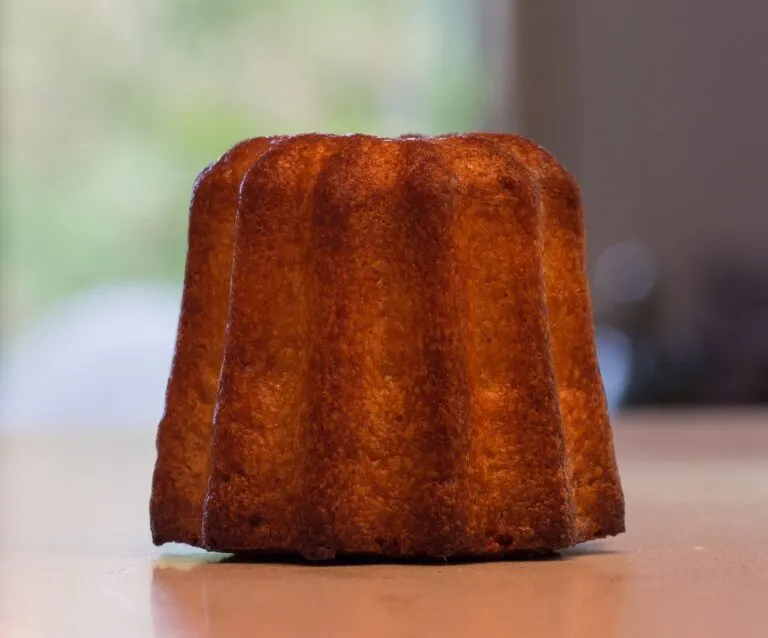
More from France: tarte flambée in Alsace, bouillabaisse in Marseille and canelés in Bordeaux. See all France food guides.
Sources
- Paris je t’aime – official Paris tourism site.
- Croissant and Viennoiserie.